

i guess in a way this is the most widely used one, but also one that is severely underused in other ways. definitely identity. i've long been of the opinion that there are obviously cool things that come from public data and all the public pieces of the proto, but identity is higher impact.

hikikomorphism
@hailey.at what's your favorite atproto feature? Not the highest leverage/most widely used one, ideally something that you think is really elegant/clean at a conceptual level
Sep 16, 2026 at 8:32 PM
Human identity: the number one challenge in computer science
If the modern ‘problem of identity’ was how to construct an identity and keep it solid and stable, the postmodern ‘problem of identity’ is primarily how to avoid fixation and keep the options open. (Bauman 2011)
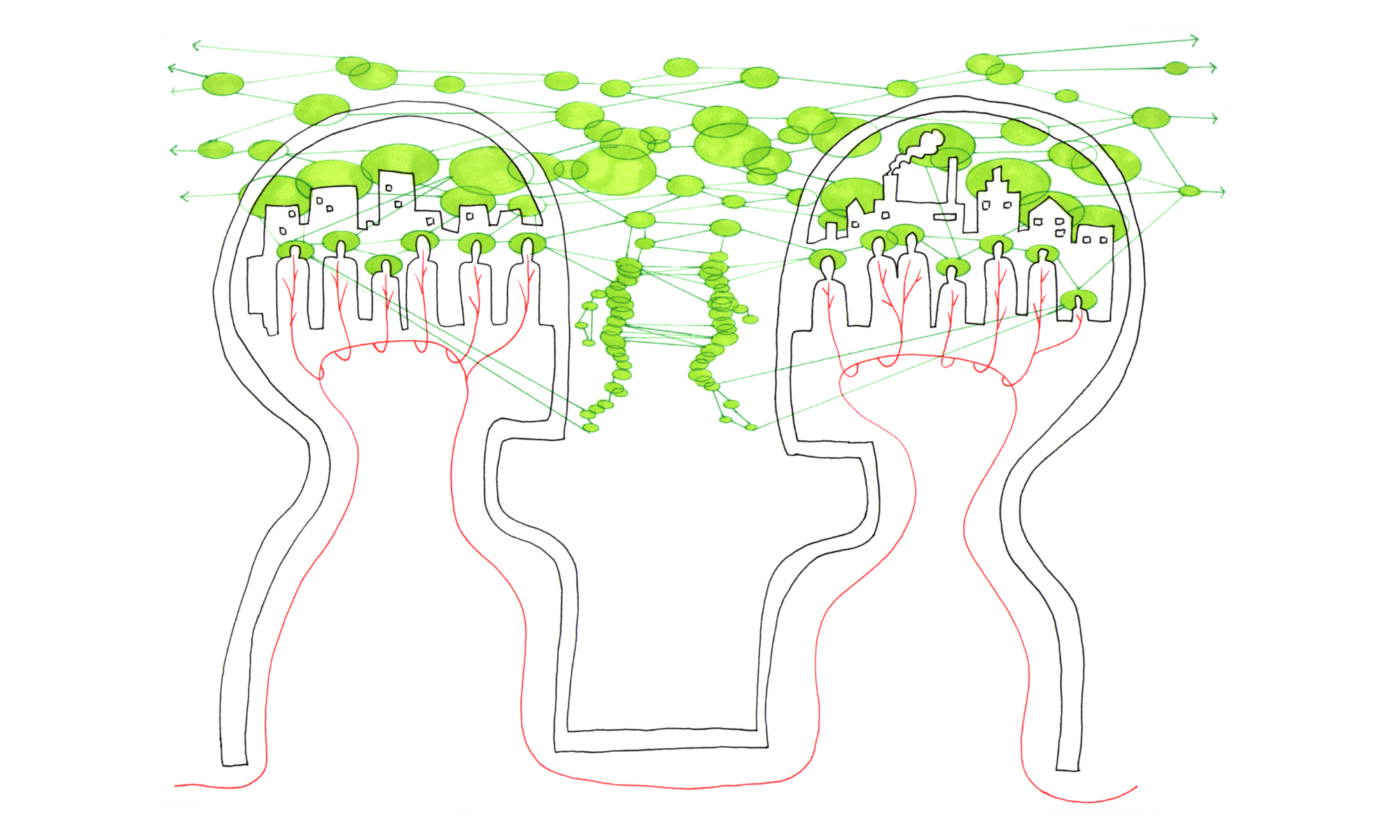
Identity is the Platform
This is the talk I gave at Mindtrek in Tampere, Finland. Slides are available here: http://factoryjoe.com/blog/2009/10/01/identity-is-the-platform/
IIW – Internet Identity Workshop
The Internet Identity Workshop — where the identity community meets to discuss and advance digital identity.

The Path to Self-Sovereign Identity
Today I head out to a month-long series of events associated with identity: I’m starting with the 22st (!) Internet Identity Workshop next week; then I’...

The Path to Self-Sovereign Identity
Today I head out to a month-long series of events associated with identity: I’m starting with the 22st (!) Internet Identity Workshop next week; then I’...
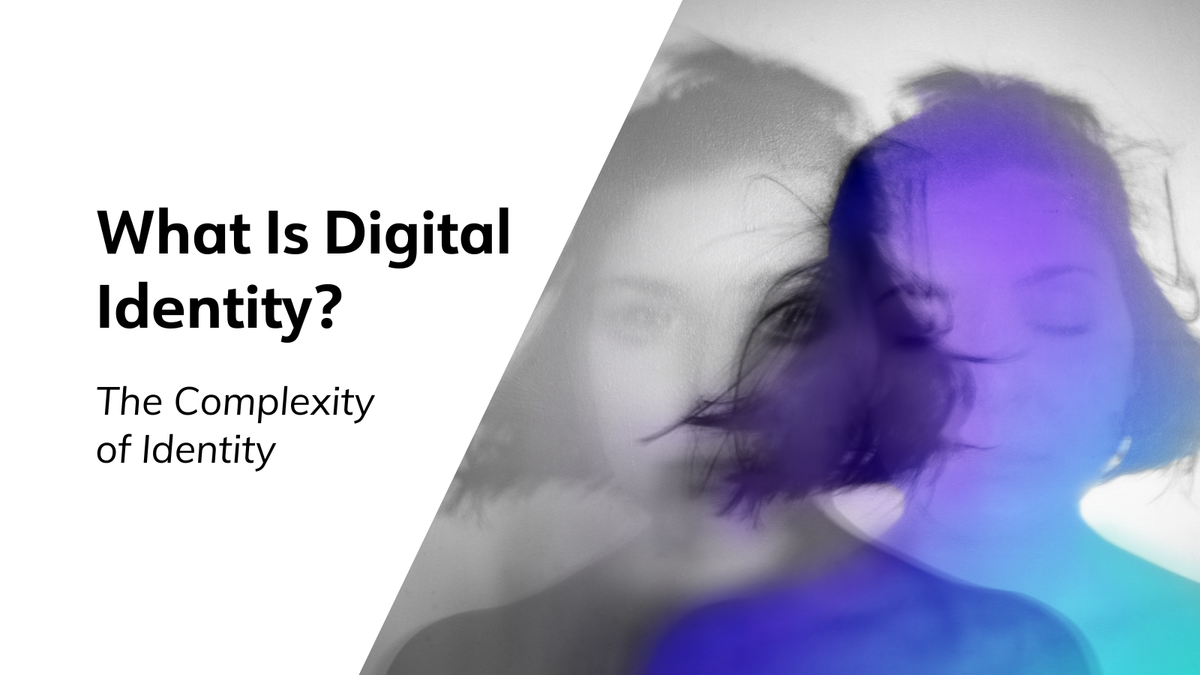
What is Digital Identity?
Who you are is hardly defined by your drivers license or passport. And yet, this is often how we understand ourselves and others.
The Mask-Off Moment for Digital Identity
Our 18-month investigation reveals how digital identity systems create brittle societies. This foreword traces eight case studies that demonstrate the catastrophic failures of digital identity across Estonia, the US, Israel, Ukraine, and beyond.
Constructing and enforcing "authentic" identity online: Facebook, real names, and non-normative identities
Despite the participatory and democratic promises of Web 2.0, many marginalized individuals with fluid or non-normative identities continue to struggle to represent themselves online. Facebook users, in particular, are told to use “authentic identities,” an idea reinforced throughout the site’s documentation, “real name” and other policies, and in public statements by company representatives. Facebook’s conception of authenticity and real names, however, has created problems for certain users, as demonstrated by the systematic deactivation of many accounts belonging to transgender and gender variant users, drag queens, Native Americans, abuse survivors, and others. In view of the struggles of marginalized users, Facebook policy appears paradoxical: the site simultaneously demands authenticity yet proscribes certain people from authentic self-presentation. In this work, we examine Facebook’s construction of “authenticity” and show how it excludes multifaceted, fluid, or non-normative identities. Using content analysis and close reading, we analyze site documentation and data from The Zuckerberg Files (an online archive of Facebook founder and CEO Mark Zuckerberg’s public remarks) to understand the platform’s mechanisms for enforcing authenticity. We find that Facebook positions itself as a type of administrative identity registrar, raising vital questions regarding the ethics and consequences of identity enforcement online today.
Constructing and enforcing "authentic" identity online: Facebook, real names, and non-normative identities
Despite the participatory and democratic promises of Web 2.0, many marginalized individuals with fluid or non-normative identities continue to struggle to represent themselves online. Facebook users, in particular, are told to use “authentic identities,” an idea reinforced throughout the site’s documentation, “real name” and other policies, and in public statements by company representatives. Facebook’s conception of authenticity and real names, however, has created problems for certain users, as demonstrated by the systematic deactivation of many accounts belonging to transgender and gender variant users, drag queens, Native Americans, abuse survivors, and others. In view of the struggles of marginalized users, Facebook policy appears paradoxical: the site simultaneously demands authenticity yet proscribes certain people from authentic self-presentation. In this work, we examine Facebook’s construction of “authenticity” and show how it excludes multifaceted, fluid, or non-normative identities. Using content analysis and close reading, we analyze site documentation and data from The Zuckerberg Files (an online archive of Facebook founder and CEO Mark Zuckerberg’s public remarks) to understand the platform’s mechanisms for enforcing authenticity. We find that Facebook positions itself as a type of administrative identity registrar, raising vital questions regarding the ethics and consequences of identity enforcement online today.
Self-sovereign identity: the future of personal data ownership?
Despite the economic value of online identities, major concerns remain around privacy issues. Could the self-sovereign identity model be the solution?

Persona (identity verification service)
Persona Identities, Inc. is an American identity verification company headquartered in San Francisco. The company develops infrastructure for businesses to verify individuals and organizations, manage user onboarding, and comply with know your customer (KYC), anti–money laundering (AML), or age verification regulations.
The Digital Identity Event Horizon
A five year investigation into digital identity and its central role in creating brittle societies.
The Everything Account - augment
I’ve been thinking a lot about our accounts lately. We all have an ever-growing pile of digital identities scattered across the web, many forgotten after a b…
Ephemeral Identities
The Paper Pilot's digital garden of thoughts on philosophy, politics, and sociology. Reading time: ~5 minute read | Published: Sep 16, 2026 | Updated: Sep 17, 2026

Once you experience shared lexicons and the benefits of a single portable identity, it feels like a new open network. But the most important part is that it practically works as an extension of the web. We can add social features to our websites without even mentioning atproto. Frictionless adoption

P(aul) Frazee
The Atmosphere is a new open network. The features: - Your account works on all atmosphere apps - You can switch to a new provider with no fuss - Easy to make your own apps on it - Works great with personal websites And, Bluesky is an atmosphere app.

