

A significant portion of my work, for several months now, has been focused on AI. Specifically, understanding use of AI in healthcare and in public benefit determinations. So I've extensively used 'frontier models' from Anthropic and OpenAI as well as the Chinese models. I've used Grok a bit. 🧵
Sep 8, 2026 at 3:26 AM
Chinese AI models are gaining ground with U.S. companies as OpenAI, Anthropic costs surge
Recent model releases from Chinese companies including DeepSeek and Z.ai are seen by many as highly competitive compared to leading U.S. frontier systems.

Anshul Kundaje on Twitter / X
Brainstorming with frontier AI models in more open ended domains (like bio that do not have closed verifiable loops) that you have deep expertise in, really showcases the pretense of understanding that they display. 1/— Anshul Kundaje (@anshulkundaje) September 25, 2026
Ali Alkhatib: Defining AI
The main issue I have with a lot of work that tries to define AI is that the criteria they use to draw boundaries often turn out to be functionally useless for my needs; these definitions lead us to weird places, letting scholars fixate on strange, unworkable frameworks. Those pedantic fixations don’t really benefit the organizers, activists, regular people who are getting crushed by the systems they’re trying to work against. So I’m going to try to unpack how I think about AI; how I trace the boundaries of the term in a way that’s as useful as possible for me and my needs; and how I would encourage you to scope or define ideas that are important to your work.
Half of Americans report using AI services, with information and productivity leading use cases
New Epoch AI/Ipsos poll reveals high AI engagement, diverse use cases, and emerging workplace integration

I'm done using AI
Why I'm stopping using AI for coding (and anything else) after using it earnestly for a year and coming to understand the harms it causes on personal, societal, and environmental levels.

The AI Industry Is Losing
If you liked this piece, you should subscribe to my premium newsletter. It’s $70 a year, or $7 a month, and in return you get a weekly newsletter that’s usually anywhere from 5,000 to 18,000 words, including vast, detailed analyses of NVIDIA, Anthropic and OpenAI’s

Dario Amodei — We Must Pace the Frontier
I have worked on AI for the last twelve years because I believe it could dramatically raise the quality of human life. I’ve written often about these incredible benefits: I believe that AI could cure most major diseases in the next 5–10 years, greatly accelerate economic growth rates, create a world of abundance and empowerment, and usher in a renaissance of democracy and freedom. I feel the urgency personally. My own father died of a disease that was cured just a few years after his death, and I myself survived an early-stage cancer that would not have been treatable even fifty years ago. Carefully wielded, AI can be the latest in a long line of technological miracles that have uplifted and ennobled humanity.
"AI" and Productivity
[I keep bringing these up on Bluesky, so I think it’s time to gather them up and make a post out of them.] This is a collection of articles...
OpenAI launches new AI model for life sciences research
Researchers are drowning in data. AI could help.
How To Think About AI (with Cory Doctorow)
AI might just be useful once we get through the huckster phase.
Questioning AI Resource List
Excellent summary of major problems with companies’ focus on AI written by expert in machine learning: https://ludic.mataroa.blog/blog/i-will-fucking-piledrive-you-if-you-mention-ai-again/ Another good summary piece that includes many examples (in general Ed Zitron’s work is a great resource): ...

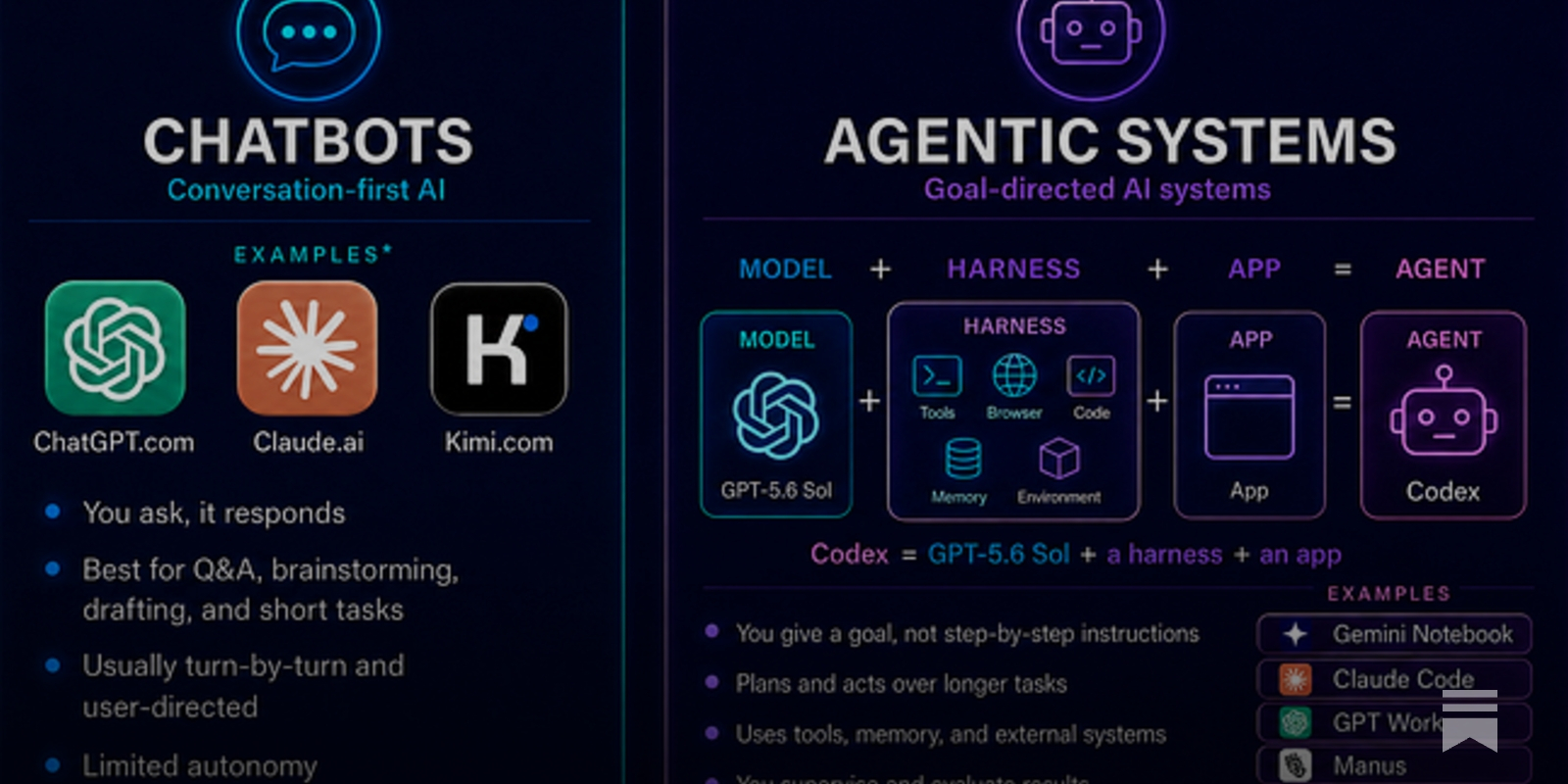
AI Doesn't Have ROI
If you liked this piece, you should subscribe to my premium newsletter. It’s $70 a year, or $7 a month, and in return you get a weekly newsletter that’s usually anywhere from 5,000 to 18,000 words, including vast, detailed analyses of NVIDIA, Anthropic and OpenAI’s
Pacing the Frontier
A statement from over 1000 employees of frontier AI companies

AI* and healthcare/medicine

* I’m neither “pro-AI” nor “anti-AI.” I’ve been blocked for being perceived as both. —Actually, I’m honestly more anti-AI than pro-AI thus far, aside from specialized models and specific use cases, but I’m willing to consider information that’s new to me

I listened to this yesterday and they talk about this at 25 minute mark: > the rate of thyroid-cancer diagnoses in the Republic of Korea was…
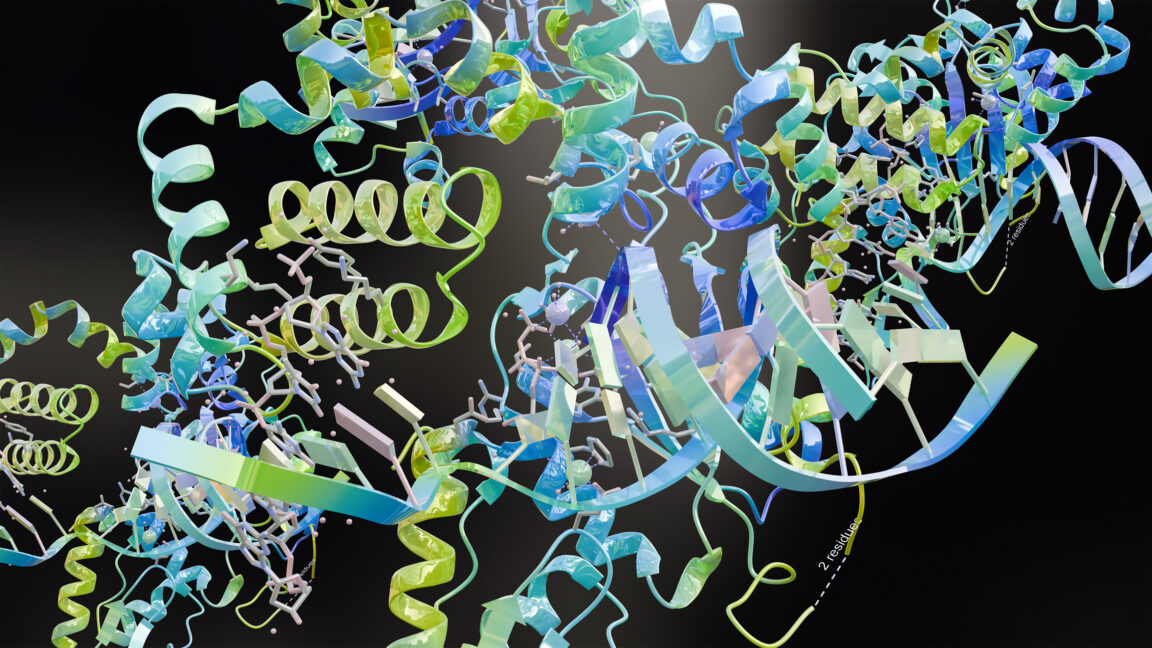
Google figures out how to watermark AI-designed proteins

Emily Moin (@emilymoin.com)

Mike Masnick (@masnick.com)
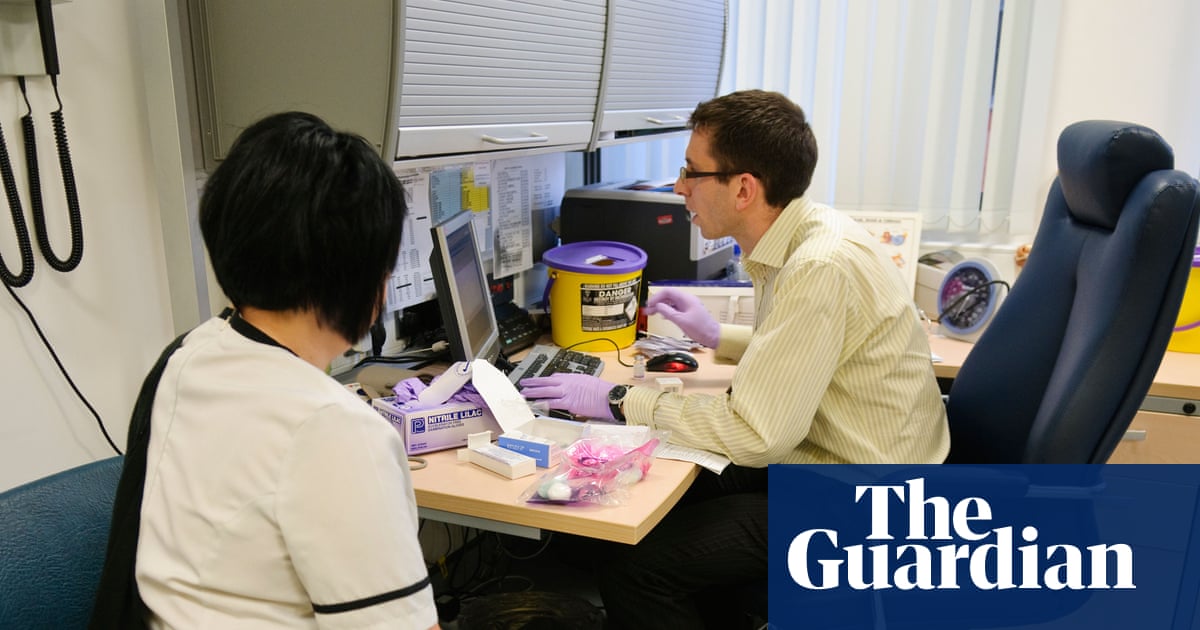
Doctors’ AI scribes get names of drugs and diagnoses wrong, NHS watchdog warns

It’s remarkably easy to inject new medical misinformation into LLMs
