

Holding Platforms Accountable Is Not Enough. We Need A ‘Compass’ For Social Technologies
This is the first series in the 21-22 Perspectives on Public Purpose blog.

The politics of ‘platforms’
Online content providers such as YouTube are carefully positioning themselves to users, clients, advertisers and policymakers, making strategic claims for what they do and do not do, and how their place in the information landscape should be understood. One term in particular, ‘platform’, reveals the contours of this discursive work. The term has been deployed in both their populist appeals and their marketing pitches, sometimes as technical ‘platforms’, sometimes as ‘platforms’ from which to speak, sometimes as ‘platforms’ of opportunity. Whatever tensions exist in serving all of these constituencies are carefully elided. The term also fits their efforts to shape information policy, where they seek protection for facilitating user expression, yet also seek limited liability for what those users say. As these providers become the curators of public discourse, we must examine the roles they aim to play, and the terms by which they hope to be judged.
The future for platform holders is cooperation, not just competition | Opinion
When an industry changes -- even quite radically -- it can be hard to pinpoint the moment that the shift began. There a…


Field Notes: The Architecture of Rationalization - Aaron Ross Powell
Marginalia on the internet turning bad, platform extraction, and existential restlessness.
Stuck in the middleware with you: the challenges of capitalizing a market-oriented approach to platform governance
T1 - Stuck in the middleware with you: the challenges of capitalizing a market-oriented approach to platform governance
The politics of ‘platforms’ - Tarleton Gillespie, 2010
Online content providers such as YouTube are carefully positioning themselves to users, clients, advertisers and policymakers, making strategic claims for what ...

Institute of Network Cultures | Ben Grosser: Planning the Exodus from Platform Realism
Thinking about the current state of platforms, I’m reminded of Mark Fisher’s articulation of capitalist realism, the idea that we don’t imagine or build alternatives to capitalism because we can no longer envision a world without it. Big tech, in a few short years, has managed to instill within the public a similar state of platform realism. So many are unable to imagine how global communication, media, search, etc. could ever function without the platforms. Despite a growing malaise, it’s become difficult for many to consider a world without big tech platforms as a viable conception of the future.

Building Epistemically Healthier Platforms
When thinking about designing social media platforms, we often focus on factors such as usability, functionality, aesthetics, ethics, and so forth. Epistemic considerations have rarely been given the same level of attention in design discussions. This paper aims to rectify this neglect. We begin by arguing that there are epistemic norms that govern environments, including social media environments. Next, we provide a framework for applying these norms to the question of platform design. We then apply this framework to the real-world case of long-form informational content platforms. We argue that many current long-form informational content platforms are epistemically unhealthy. The good news? We provide concrete advice on how to take steps toward improving their health! Specifically, we argue that they should change how they verify and authenticate content creators and how this information is displayed to content consumers. We conclude by connecting this guidance to broader issues about the epistemic health of platforms.

Governing Online Speech: From 'Posts-As-Trumps' to Proportionality and Probability
Online speech governance stands at an inflexion point. Platforms are emerging from the state of emergency invoked during the pandemic and lawmakers are poised t

Can AT Protocol Fix Monolithic Platforms?
The Web Needs a Context Layer Built on a Shared Protocol
Making context a shared protocol, rather than a platform feature, would let readers see competing perspectives anywhere on the web, argue Mallory Knodel, Evan Friedman, and Brad Friedman.

The platformization of cultural production: Theorizing the contingent cultural commodity
This article explores how the political economy of the cultural industries changes through platformization: the penetration of economic and infrastructural extensions of online platforms into the web, affecting the production, distribution, and circulation of cultural content. It pursues this investigation in critical dialogue with current research in business studies, political economy, and software studies. Focusing on the production of news and games, the analysis shows that in economic terms platformization entails the replacement of two-sided market structures with complex multisided platform configurations, dominated by big platform corporations. Cultural content producers have to continuously grapple with seemingly serendipitous changes in platform governance, ranging from content curation to pricing strategies. Simultaneously, these producers are enticed by new platform services and infrastructural changes. In the process, cultural commodities become fundamentally “contingent,” that is increasingly modular in design and continuously reworked and repackaged, informed by datafied user feedback.
There's a pernicious belief, widely believed, that if a platform isn't on its way to becoming the biggest platform then it's on its way to failing. That belief is silly. So let's stop talking about Bluesky as if that belief is true.

We Needn't Have a One True Platform
www.aaronrosspowell.comOK, I wrote up a whole blog post with some more detailed thoughts on this. Curious if anything here resonates with other folks. Thanks to @iame.li, @dholms.at, and @bnewbold.net for helpful pointers and discussions! pckt.blog/b/bits-of-entropy/all-data-sh…

All data should be permissioned data - Bits of Entropy
pckt.blog
Richard Barnes
@dholms.at - What is the right venue for discussion on this Permissioned Data proposal you wrote up. atp@ietf.org or something else? I think it is wrong in some pretty fundamental ways. Or at least the motivations are poorly articulated.
Ditch Platforms

Guides, stories, and reasons to leave platforms in favor of protocols
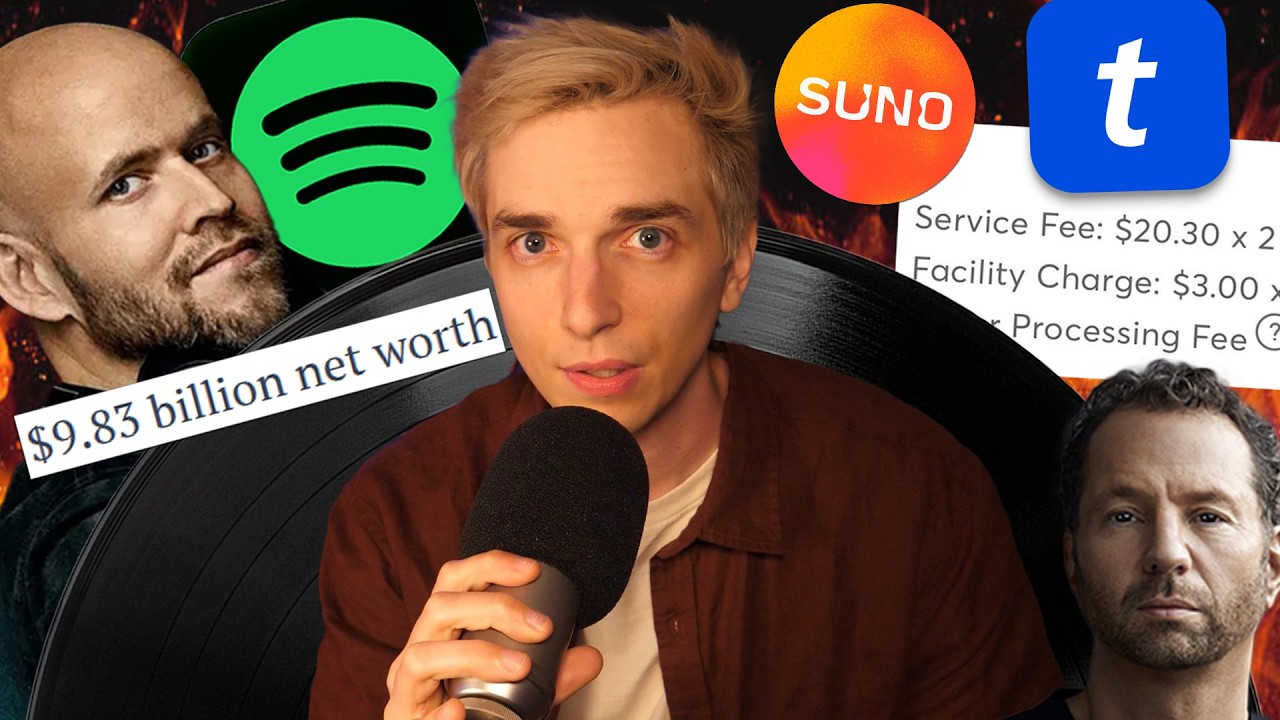
The Music Industry is Broken

Enshittification, Despotification, and the Open Internet
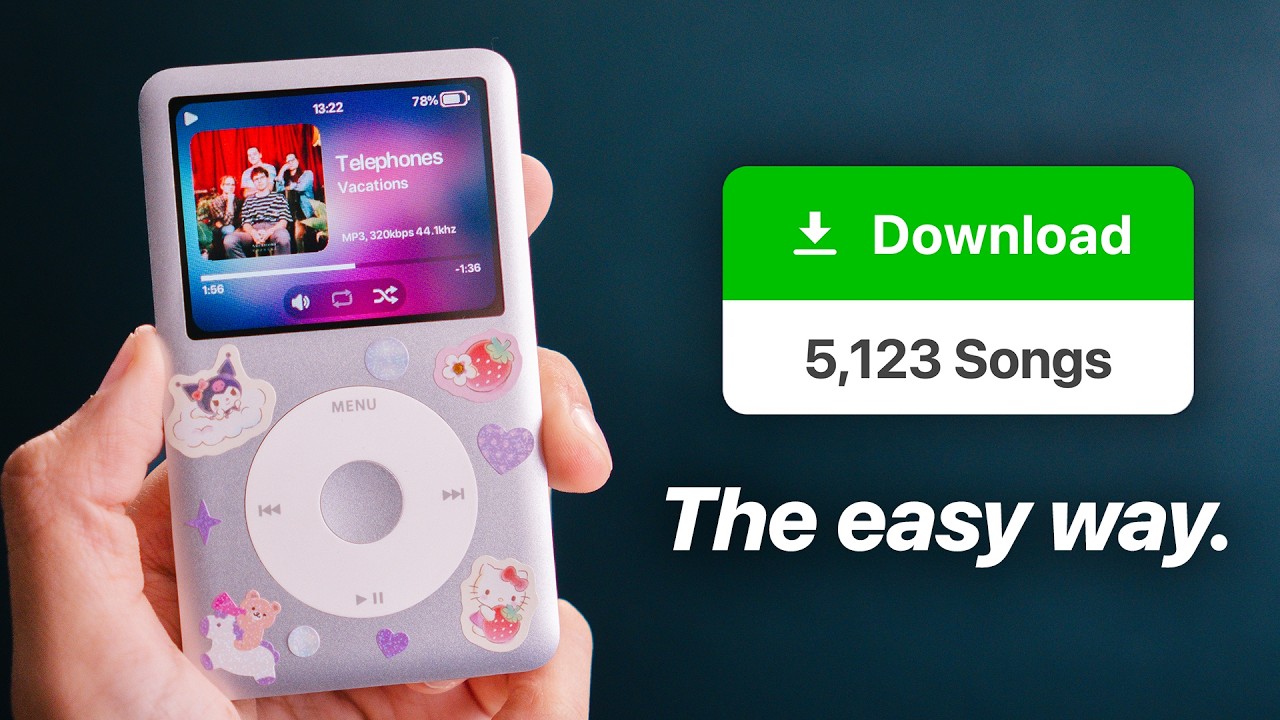
How to ACTUALLY Quit Spotify.
Kill Yr Substack | Jason Cosper

EFF is Leaving X

An Explanation (Which I Would Be Very Grateful If You Took The Time To Read)


