

Economic incentives is a big problem with AI in open-source spaces. Finding is unevenly allocated, and AI leads to further disparity. Instead of spreading money around the dev community, it'll go to AI companies. Open source thrives on humans. We don't need rockstars, we need resources.

Lucca @ Northsky 💚💜
they should be giving out more of that to the community as grants and focusing on protocol governance and standards and bringing new people into atproto.
Mar 31, 2026 at 2:58 AM
For Most of the World, Open-Source AI Is the Only Way Forward
Proprietary AI is both too expensive and too centralized in control for most countries and companies to rely upon.

If AI is so good at coding … where are the open source contributions?
You can hardly get online these days without hearing some AI booster talk about how AI coding is going to replace human programmers. AI code is absolutely up to production quality! Also, you’re all…

AI creates asymmetric pressure on Open Source
How Open Source communities can adapt to AI-generated contributions without overwhelming Open Source maintainers

Open Source AI Policy Landscape — RedMonk Analysis
How foundations and projects are responding to AI-generated contributions. This analysis surveys 88 major organizations.
The Open Source AI Definition – 1.0
version 1.0 See FAQsSee list of endorsementsSee ChecklistEndorse the OSAID Preamble Why we need Open Source Artificial Intelligence (AI) Open Source has demonstrated that massive benefits accrue to…

‘Impossible’ to create AI tools like ChatGPT without copyrighted material, OpenAI says
Pressure grows on artificial intelligence firms over the content used to train their products
How to think about AI company finances
OpenAI and Anthropic are using the standard tech startup playbook.

What We're No Longer Seeing: AI and the Invisible Newcomer in Open Source
How AI is absorbing the visible friction that open-source communities have always relied on to see—and welcome—newcomers.
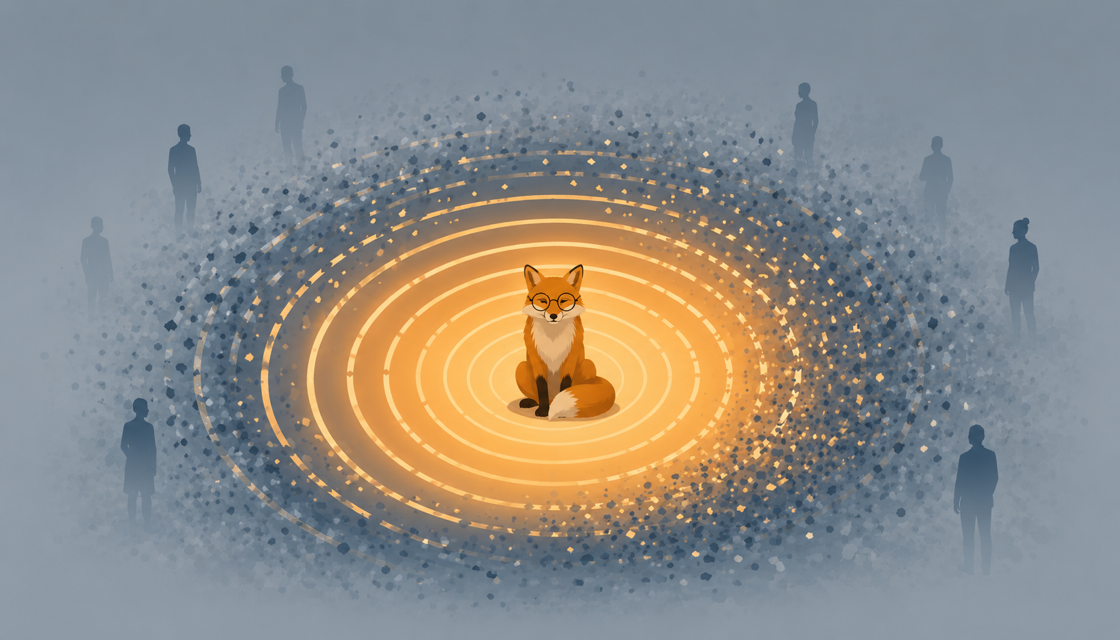
How open source projects need to adapt to the AI coding era | We Love Open Source • All Things Open
A new Carnegie Mellon study shows AI coding tools boost velocity by 281% — then leave codebases harder to work with. Here's what open source communities need to do before the sugar rush wears off.

The Arguments Against Open Source AI are Very Bad | Tom Bedor's Blog
The release of Kimi K3 has opened a fresh round of angst and confused discourse. There's a loud cohort of journalists, business leaders, and politicians arguing that open source AI is a dangerous threat. OpenAI's Dean Ball:
Why AI is now important on Open Source - Scan's leaflet
If you can't fight them, join them
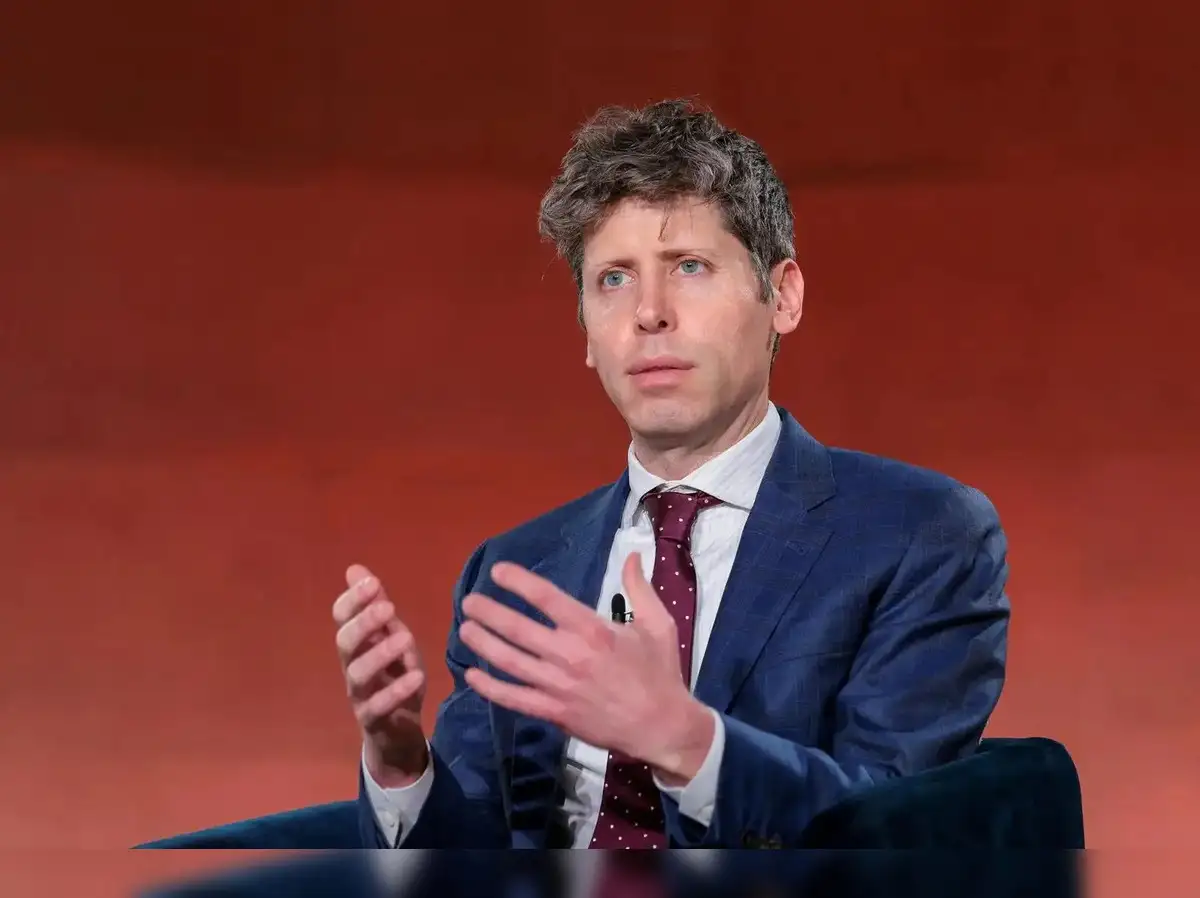
OpenAI finalises $10 billion joint venture with PE firms to deploy AI - The Economic Times
OpenAI has launched a new venture, The Deployment Company. It has secured over $4 billion from 19 investors. This company will focus on helping businesses integrate OpenAI's AI software. The venture is valued at $10 billion and will be controlled by OpenAI. This move aims to boost AI adoption across various sectors. Rival Anthropic is also exploring similar strategies.
AI slows down open source developers. Peter Naur can teach us why.
AI Slopageddon and the OSS Maintainers
AI slop is ripping up the social contract between maintainers and contributors essential to open source development. Practitioners have been repeatedly assured that AI would supercharge their communities, but so far that hasn’t been the case. Just look at what happened last month. Mitchell Hashimoto’s Ghostty implemented a zero-tolerance policy where submitting bad AI-generated code

"AI makes it cheaper to contribute to Open Source, but it's not making life easier for maintainers. More contributions are flowing in, but the burden of evaluating them still falls on the same small group of people. That asymmetric pressure risks breaking maintainers." also relevant to slop science

