

I‘m far from an AI doomer, but it is amazing how many serious voices — on LinkedIn, no less! — are sharing stories about how AI slop is quickly becoming one of the top problems they see in academic writing and research “AI will 10x our research!” doesn’t seem to be surviving encounters with reality
Aug 18, 2026 at 3:11 AM
For years, they warned AI could kill all humans. Now people are listening.
A doomsaying community once on the periphery of the tech industry has gained influence, as AI “agents” perform amazing and alarming feats.

AI Doomers Are Starting to Admit It: They’re Going Too Far
One of the biggest doomsayers of artificial intelligence has done an about-face—and it could help save the world.
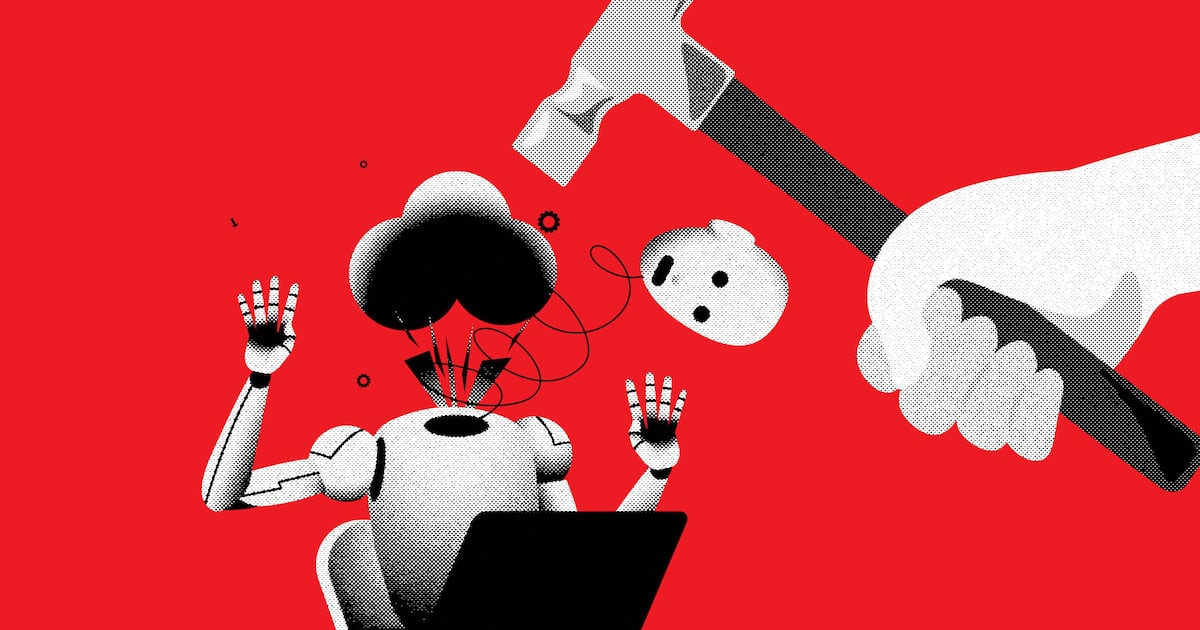
AI Slop is Killing Online Communities
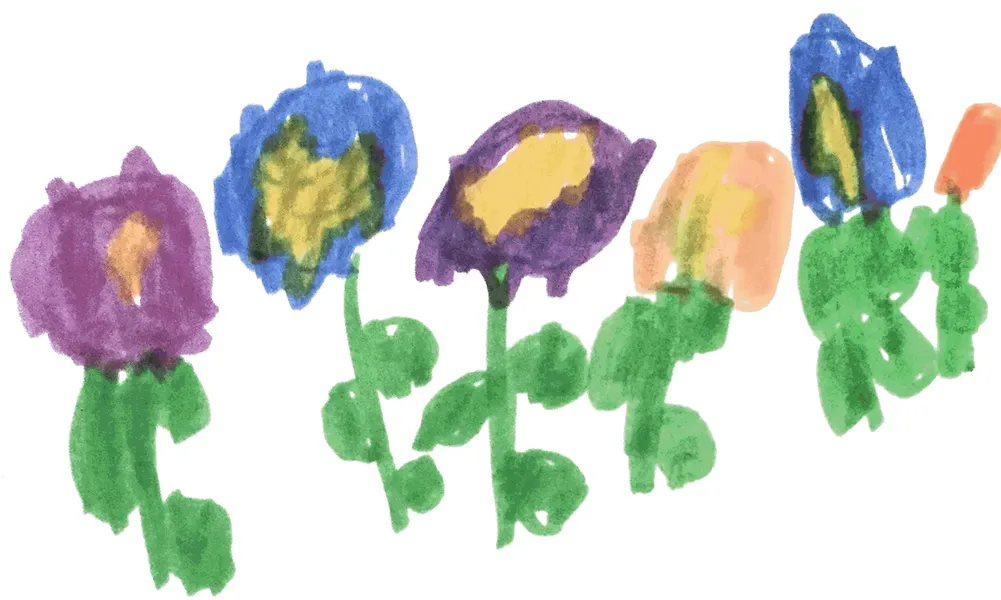
Like a young child coming home from kindergarten with their latest crayon scrawls, the internet is currently awash with people sharing their AI-generated work. And just like the young child’s drawings, much of that work should be proudly put up on the walls within the artist’s house—and no further.
How AI slop is causing a crisis in computer science
Preprint repositories and conference organizers are having to counter a tide of ‘AI slop’ submissions.
AI is ushering in an age of personal media
It may be AI slop, but it's my AI slop.

AI Doomsday Bullshit Is Getting Tired
The "rogue AI" narrative continues to help obscure very ugly and avoidable human failures.

Is there something it is like to be an AI?
Posted on Wednesday 2 Jul 2025. 1,593 words, 6 links. By Matt Webb.

AI Safety Is a Narrative Problem · Special Issue 5: Grappling With the Generative AI Revolution
This op-ed explores power and narrative dynamics around AI. Drawing on pop-culture references, the professional experiences of the author and examples from 2023’s “Great AI Safety Hype Roadshow,” this piece draws on the literary criticism technique of practical criticism to consider how speeches and announcements from both Silicon Valley executives and research scientists to interrogate the media-friendly nature of p(doom) discourse—which focuses on the existential risks of AI (PauseAI, 2023)—and its likely consequences. The complexities of AI and its numerous social impacts can be difficult for even the most expert analyst to unpack. In spite of this, the potential of “existential threats” has successfully cut through to become a mainstay of mainstream media coverage over the last year. This piece will make the case that this is an effective narrative conceit that has achieved a number of ends that traditional science communication tends to find difficult, if not impossible, to achieve. Firstly, it is easy to understand. Simplification of this nature—that removes jargon and complexity and focuses on a single outcome—is much easier to fit on a TV rolling news ticker or on the cover of a tabloid newspaper than more well-balanced, representative opinions. Secondly, it inherits prior assumptions from well-known dramatic forms. P(doom) plays to stories familiar from Greek tragedy through to Marvel movies, in which lone male heroes battle ineluctable forces. Thirdly, it is imbued with urgency and so becomes difficult to ignore.
Can AI slop help us save the internet?
Disrupting the status quo and opening space for new visions
More Than a Tool
What We Learned from a Year of Conversations About AI
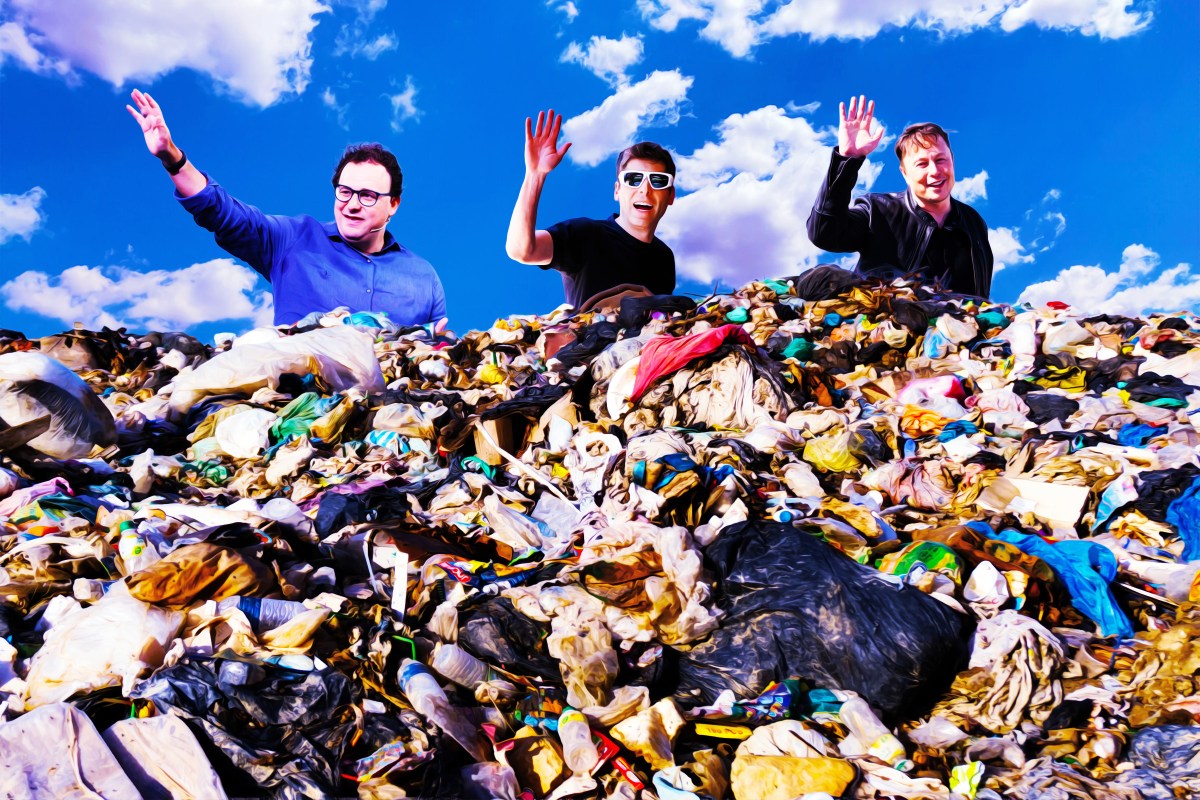
Over 50 Percent of the Internet Is Now AI Slop, New Data Finds
New research from the firm Graphite found that around half of all articles on the internet are AI generated.
The Age of Wonders and Terrors
Twenty years ago, when the idea of AI taking over the world in our lifetimes still struck most of us as the unconstrained fantasy of those who knew too much science fiction and too little science, …

I pulled ~90,000 Reddit posts about what makes writing "sound like AI" to determine the biggest AI-slop giveaways (Part 2)
674 votes, 228 comments. The majority of people can instantly tell when writing is generated by AI. For those who don't intend to get into the weeds…
I‘m far from an AI doomer, but it is amazing how many serious voices — on LinkedIn, no less! — are sharing stories about how AI slop is quickly becoming one of the top problems they see in academic writing and research “AI will 10x our research!” doesn’t seem to be surviving encounters with reality
