

The assault on US universities didn't start in 2025. Our new paper traces the decades of corporate capture that made it possible, and why climate research is a primary target. Open access: sciencedirect.com/science/article/pii/S22146296…
Sep 25, 2026 at 5:24 PM
Universities on Fire: Higher Education in the Climate Crisis
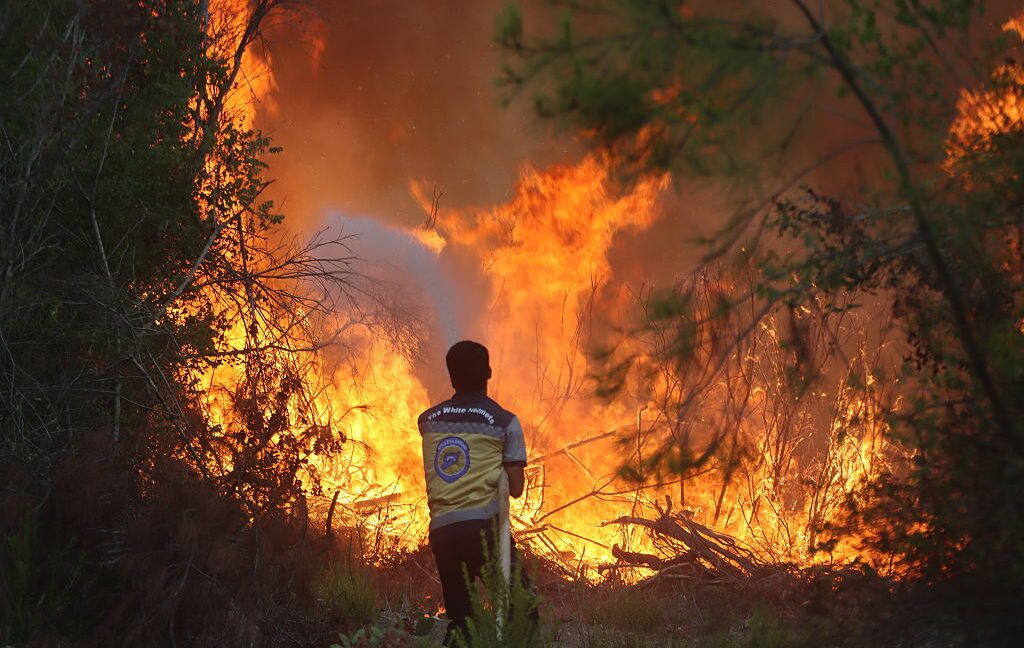
Scientists agree that we are on the precipice of a global climate crisis. How will it transform colleges and universities?Winner of the Frederic W. Ness Book Award by the Association of American Colleges and UniversitiesIn 2019, intense fires in the San Francisco Bay Area closed universities and drove afflicted people to shelter at other campuses. At the same time, extraordinary fires ravaged eastern Australia. Several universities responded by promising material and research support to damaged businesses while also hosting refugees and emergency response teams in student residence halls. This was an echo of the devastation wreaked by Hurricane Katrina on Tulane University in 2005.In Universities on Fire, futurist Bryan Alexander explores higher education during an age of unfolding climate crisis. Powered by real-world examples and the latest research, Alexander assesses practical responses and strategies by surveying contemporary programs and academic climate research from around the world. He establishes a model of how academic institutions may respond and offers practical pathways forward for higher education. How will the two main purposes of education—teaching and research—change as the world heats up? Alexander positions colleges and universities in the broader social world, from town-gown relationships to connections between how campuses and civilization as a whole respond to this epochal threat.Current studies of climate change trace the likely implications across a range of domains, from agriculture to policy, urban design, technology, culture, and human psychology. However, few books have predicted or studied the effects of the climate crisis on colleges and universities. By connecting climate research to a deep, futures-informed analysis of academia, Universities on Fire explores how climate change will fundamentally reshape higher education.

An insider’s story of the global attack on climate science
An epic saga of secretly funded climate denial and harassment of scientists.
Technological Optimism and the Unspoken Abandonment of Paris
On 7 October 2026, The Guardian published an article titled Scientists who put faith in technology are less likely to take climate action. The article reported on a study by the London School of Economics, which surveyed more than 9,000 scientists across 115 countries about their views on whether technology will largely solve the problems caused by climate change. The findings suggested that scientists expressing greater faith in technological solutions were less likely to engage in civic action or make significant changes to their own lifestyles.
Jason Hickel on Twitter / X
The climate crisis reveals that our civilization has never really been organized around science, contrary to the usual Enlightenment narrative. It is organized around capital. Science is embraced when it serves the interests of capital, and is often ignored when it does not.— Jason Hickel (@jasonhickel) January 6, 2022
The Climate Movement Isn’t in Retreat, It’s Under Attack…and It’s Time to Fight Back | Newsletter
In 2020, a source shared a presentation with me from an internal branding workshop they’d been asked to attend for bp. It was fascinating for a number of reasons, not least because it indicated that the oil major felt genuinely threatened by a surprising new enemy: young people. There have always been ebbs and flows […]
Home - ClimateAction.Tech
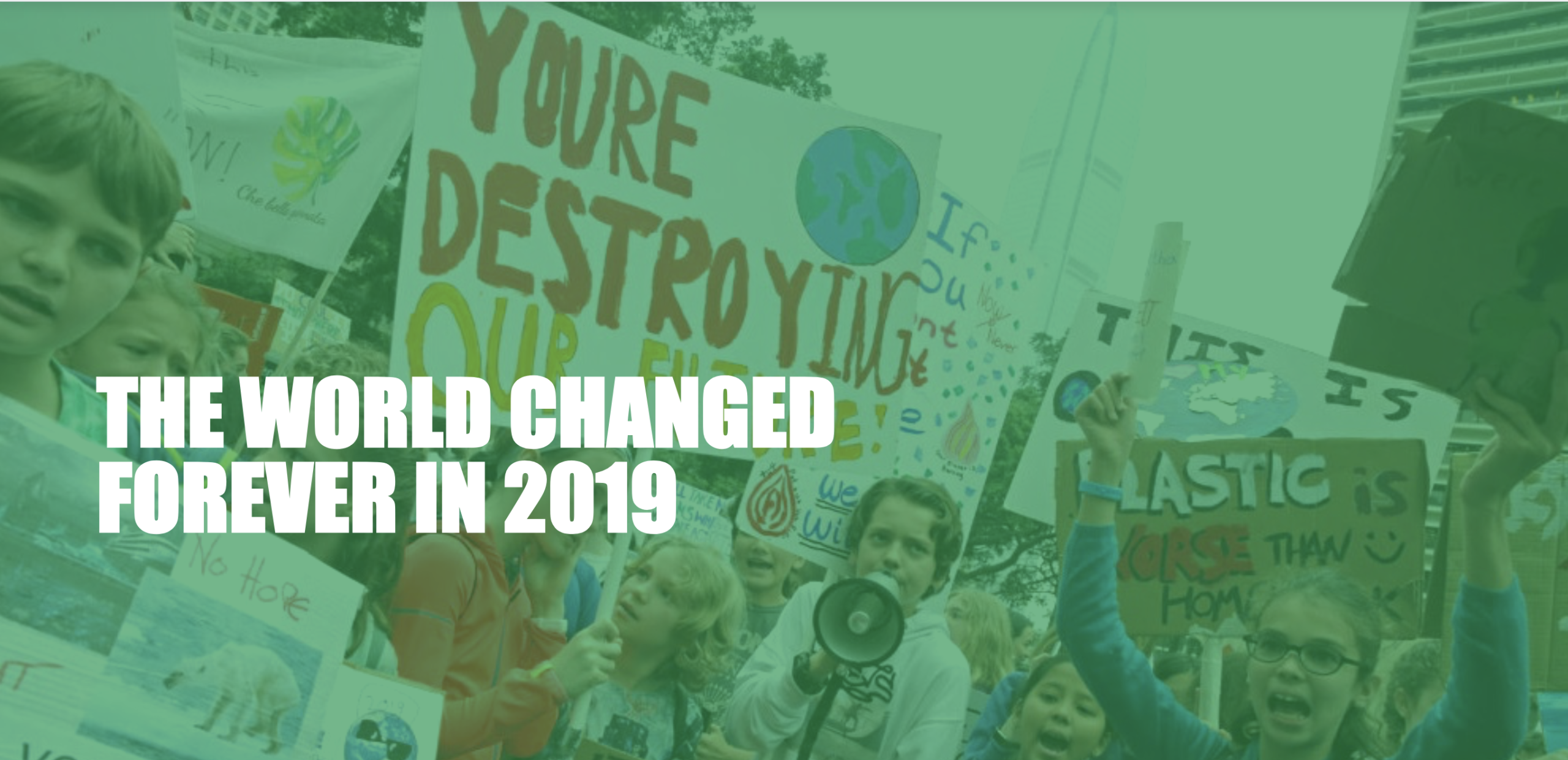
The climate crisis is happening all around us. As tech workers, we can use our skills to take and accelerate climate action.

Can the legal system catch up with climate science?
New estimate: Fossil fuel companies have caused trillions of dollars in damages.

The Current Crisis: What's Happening to Science in America
The current war on science, and who’s behind it
A vaccine developer and a climate scientist walk into a bar write a book.
Startups
We’re looking for world-changing climate tech startups with significant climate impact potential, addressing billion-dollar markets bringing innovations in hard science, hardware, software and business models to the world. If accepted, you’ll take part in our virtual, 18-month accelerator program.We’re here to help you accelerate the path to commercialization and bridge the gaps to access the financing and resources you need to succeed. We do so by connecting the world’s most promising climate tech startups—like yours—with Third Derivative’s network of committed investors, corporate partners, market experts, and mentors.
The people paid to spot risks see high chance of ‘global catastrophe’ within 10 years | CNN Business
Humanity faces a perilous future, marked by an explosion of disinformation turbocharged by artificial intelligence and the devastating effects of climate change.

The Future History of America and the World to 2050
The introduction to a positive and plausible scenario about how we could solve our many challenges and transform our world for the better

The Atmosphere as research infrastructure
Dr Peter Carter: summarising the lack of "climate emergency" at #COP25
If you sense that the future looks bleak, that there is little chance that this whole mess will end in joy and good humor, that there is a tiny chance that we will escape a systemic collapse of the thermo-industrial civilization, you are not far from reality.
443 subscribers in the Extinctionati community. We are a global community of Deep Doomers who intend to survive the coming #EarthFlip #TheFlippening…
Once you understand that this is a model of science written by non-scientists who hate universities but love venture capital and redirecting money to political allies, everything makes a lot more sense. nytimes.com/2026/07/22/us/politics/trump-…

Trump’s Plan for Science: More Money for A.I., Less for Universities
www.nytimes.com
