You say that people are laying out grounded and thoughtful statements in opposition to generative AI, but I've yet to really see any. The claims are largely inaccurate or outright incorrect. Training isn't theft, and the environmental impact is overblown. People are largely just lashing out.
Nov 10, 2026 at 3:28 PM
The 50 Percent Problem
Empirical evidence of the educational harm of generative AI
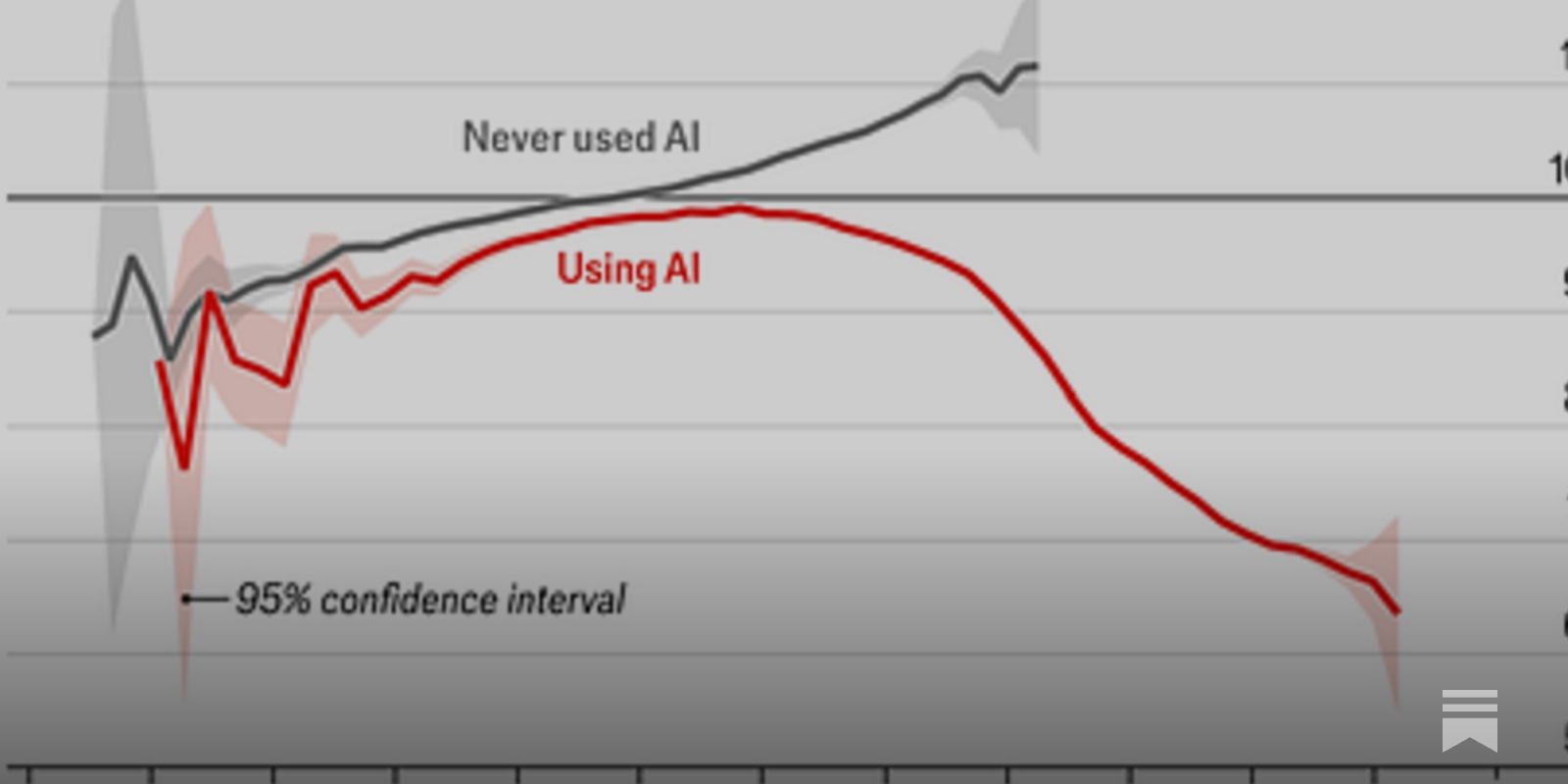
The 50 Percent Problem
Empirical evidence of the educational harm of generative AI
TrendLife Study Shows AI Is Moving Fast, but Consumers and Families are Being Left Behind
New study of over 10,000 consumers across 9 countries reveals worry exceeds excitement about generative AI as most lack the tools and confidence to use it safely TOKYO, May 6, 2026 /PRNewswire/ --...

AI is now unpopular. That may not make a difference.
Labelers training AI say they're overworked, underpaid and exploited by big American tech companies
Digital workers in Kenya had to sift through horrific online content to train AI, but say they were underpaid, overworked, and got inadequate mental health support. So they're fighting back.

Can Synthetic Training Data Survive Its Own Regulation?
Synthetic training data has recently emerged as the quick fix to two different problems: the lack of high-quality training data, and the need to avoid using personal data in training to stay within the boundaries of privacy legislation. Gartner predicts that by 2026 75% of all enterprises will use generative AI to create synthetic training data, a huge increase from less than 5% in 2023.1 Moreover, Gartner predicts that by 2035, solutions that use synthetic data for training will grab three quarters of all end-user spending on enterprise AI software.2 Training data that only a few years ago was the subject of several research papers is now carrying the weight of huge enterprise systems.

Misuse of AI is brands’ top reputational threat, new survey says
The findings come after warnings from tech leaders that AI placed in the wrong hands could trigger larger threats such as nuclear war or bioweaponry destruction

Arguments in Favor of AI Fair Use
I made some notes on the nature of the training of LLMs, and about whether we as a society should consider the material used to train them as a fair use of that material.

The more young people use AI, the more they hate it
Caught between fears of job loss and social stigma, Gen Z’s opinions of AI are hitting new lows.

Study Finds AI Use Eats Away at Users’ Confidence in Their Own Brains
A new study out of Middlesex University argues that the ultimate effects on an AI users' brain come down to how they use it.
Nassim Nicholas Taleb on Twitter / X
The problem isn’t that AI is intelligent. It isn’t. The problem is that too many adults (but not all) are at once mechanistic, imitative, unimaginative, stupid, formulaic, influenceable, & gullible, arrogant beyond their skill set, & too expensive to maintain.— Nassim Nicholas Taleb (@nntaleb) October 24, 2026
Meet the academics refusing to use generative AI
Researchers say they have their reasons for avoiding AI tools — and they’re sick of arguing about it.

Meet the academics refusing to use generative AI
Researchers say they have their reasons for avoiding AI tools — and they’re sick of arguing about it.
Firms like Meta and A16z admit having to pay billions for training data would ruin their generative-AI plans as they fight new copyright rules
Meta, Google, Microsoft, and Andreessen Horowitz are trying to keep AI developers from having to pay for copyrighted material used in AI training.