

In February 2024, I wrote Scientific Reports about a published meta-analysis claiming that mindfulness interventions affect neural plasticity, 'cementing the neuropsychological basis of mindfulness-based interventions'. The paper was retracted yesterday—here a little summary of the process.🧵
Jul 16, 2025 at 10:11 PM
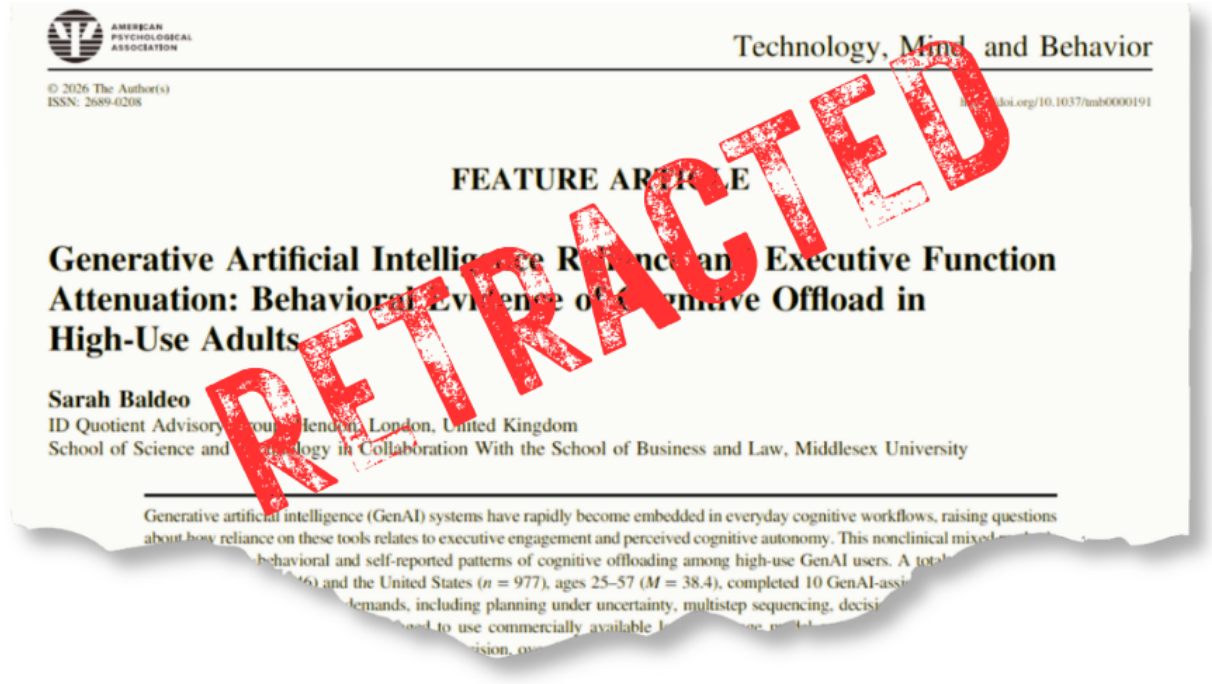
CEO of AI company loses paper on cognitive impact of generative AI
A psychology journal has retracted a paper on how using generative AI can affect confidence in work tasks after its sole author refused to share data with the editors. The April paper, publis…
More than 10,000 research papers were retracted in 2023 — a new record
The number of articles being retracted rose sharply this year. Integrity experts say that this is only the tip of the iceberg.
More than 10,000 research papers were retracted in 2023 — a new record
The number of articles being retracted rose sharply this year. Integrity experts say that this is only the tip of the iceberg.
Pushing this blog to ATProto through standard.site
Dan Arel writes on mindfulness, awareness, and how these practices can impact everyday life.

What the Studies Say About How AI Affects Your Brain: A (Very Big) Compilation
The entire literature clearly points to a single surprising finding
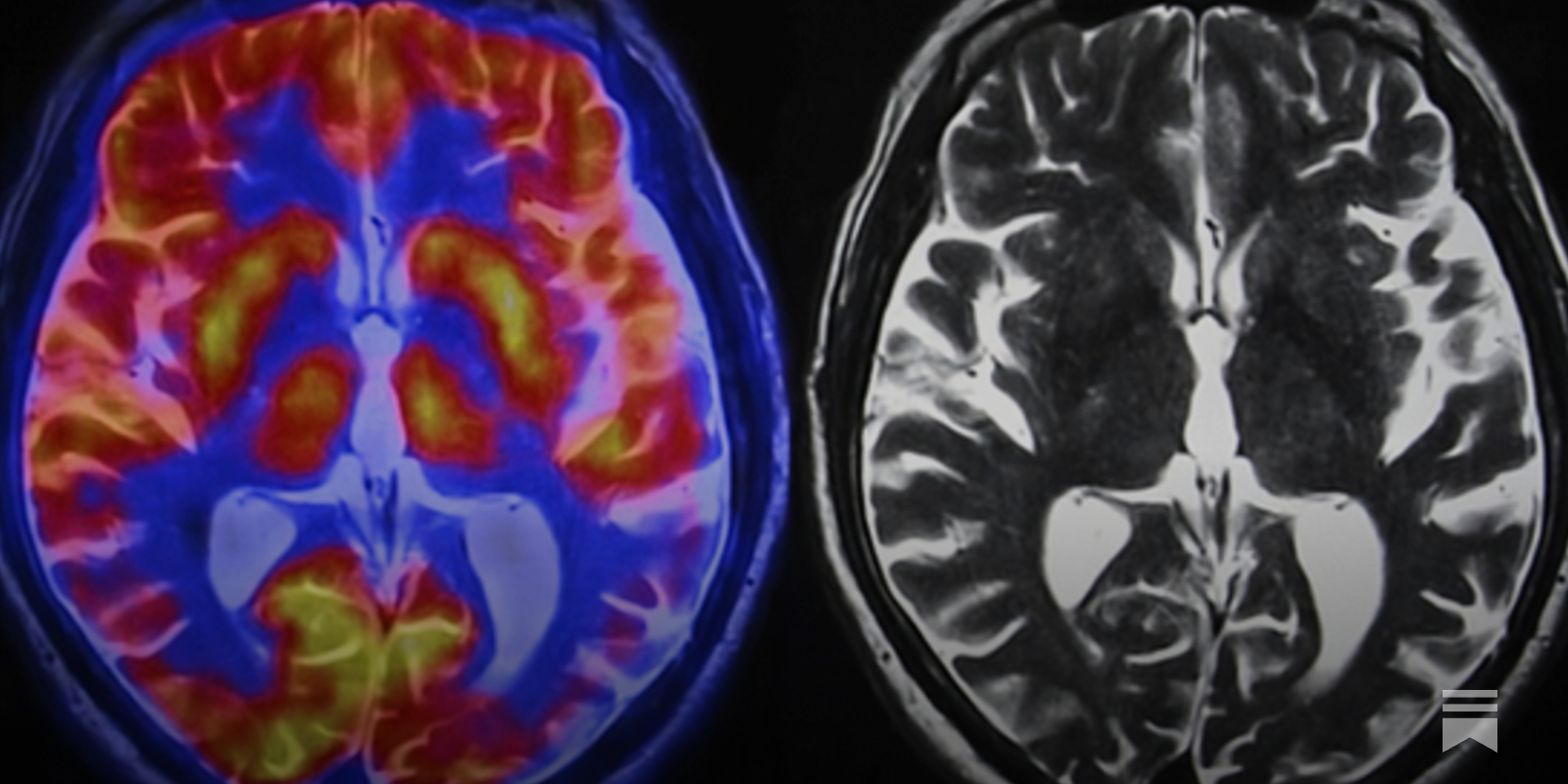
Metascience Since 2012: A Personal History
This essay is a personal history of the $60+ million I allocated to metascience starting in 2012 while working for the Arnold Foundation (now Arnold Ventures).
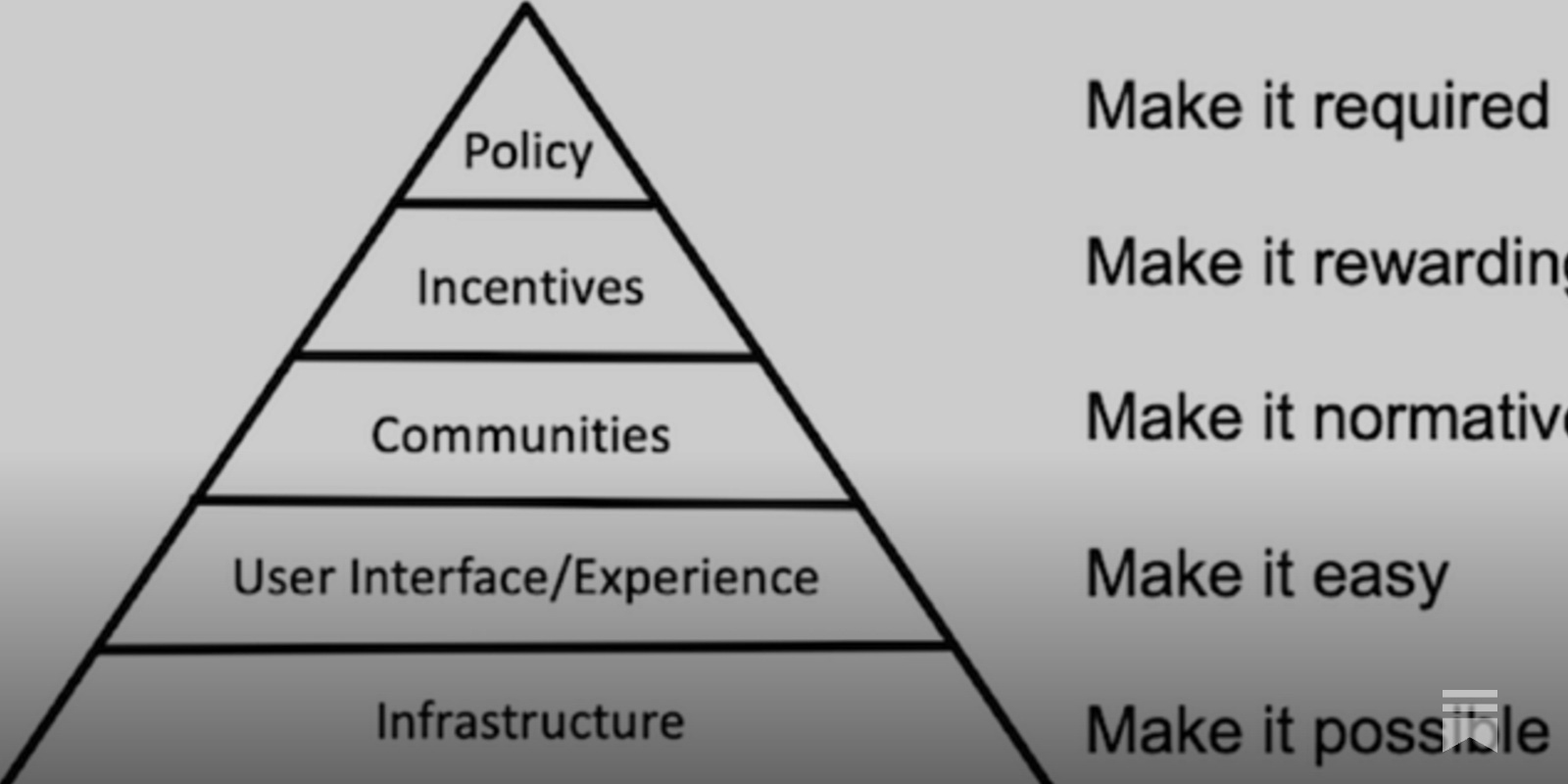
Is the scientific paper due to be replaced?
AI is pushing scientific publishing to the brink. For neuroscience, the crisis may be an opportunity to finally connect findings across subfields.

Is the scientific paper due to be replaced?
AI is pushing scientific publishing to the brink. For neuroscience, the crisis may be an opportunity to finally connect findings across subfields.
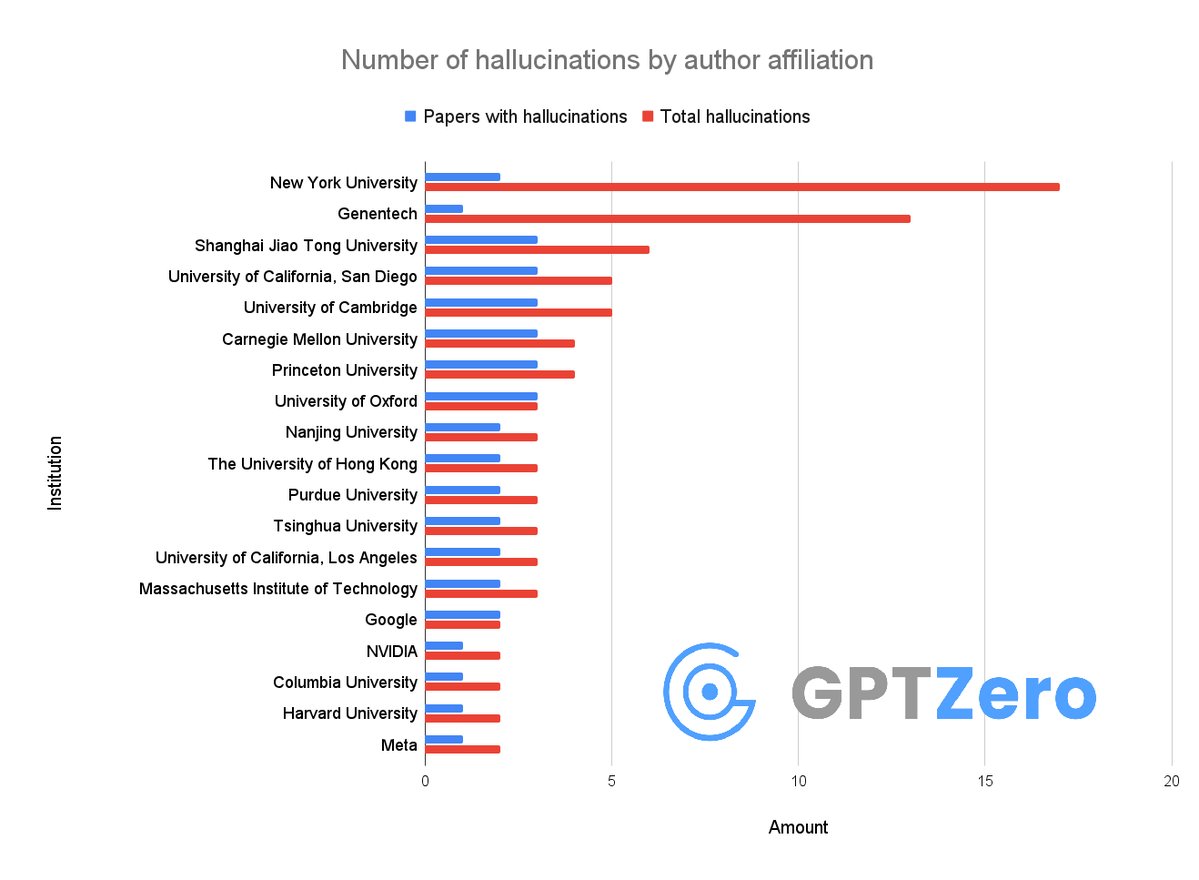
Okay so, we just found that over 50 papers published at @Neurips 2025 have AI hallucinations by @alexcdot(Alex Cui) | Twitter Thread Reader
Okay so, we just found that over 50 papers published at @Neurips 2025 have AI hallucinations I don't think people realize how bad the slop is right now It's not just that researchers from @GoogleDeepMind, @Meta, @MIT, @Cambridge_Uni are using AI - they allowed LLMs to generate hallucinations in their papers and didn't notice at all. It's insane that these made it through peer review👇
Andreas De Block on Twitter / X
It took Nature three years to publish this rebuttal, which clearly demonstrates the fundamental flaws in the original paper. In the meantime, the paper's conclusions influenced scientific debate and policy decisions. Such delays in correcting flawed research do real damage. https://t.co/QI3Ei3PE70— Andreas De Block (@DeblockBlock) August 13, 2026
‘Cerebral torment’: IOP retracts nearly 100 conference papers for tortured phrases
IOP Publishing has retracted nearly 100 papers from three of its conference proceedings after the articles were flagged for containing tortured phrases. Tortured phrases are rephrasings and s…

I tried to report scientific misconduct. How did it go?
This is the story of how I found what I believe to be scientific misconduct and what happened when I reported it. Science is supposed to b...

Article now retracted. Retraction notice focuses on data sharing, but doesn't mention - the ethics review body is the author's own company - the tech used to to collect the data by intercepting users' LLM prompts does not exist ht @grinschglsandra.bsky.social psycnet.apa.org/fulltext/2027-53135-001.html
APA PsycNet
psycnet.apa.org
Ian Hussey
Retractionwatch coverage of this article retractionwatch.com/2026/06/16/technology-mind-be… @grinschglsandra.bsky.social @malte.the100.ci @jamiecummins.bsky.social
RegCheck ( regcheck.app) has received a Commendation from the Society for Improving Psychological Science! You can check the other awardees below too:

RegCheck
regcheck.app
Society for the Improvement of Psychological Science (SIPS)
🏆We are very pleased to announce the 2026 Awards Winners and Commendations recipients for the Society for the Improvement of Psychological Science! 👏Join us in celebrating the exceptional projects that have revolutionized the field of psychological science. buff.ly/2lUKGFd
Does this mean that Psych Science should retract the Cuddy et al. p-curve paper on power posing in which the authors declare "no conflict of interest" despite the first author making millions of dollars off of the claims made in the article? The article is, of course, deeply flawed in other ways.

Kathleen Bachynski
“The journal’s retraction was prompted by a December 8 email from Markowitz and Rosner to the journal, which identified a glaring conflict of interest. They presented evidence that the commentary was written by a consultant paid by Johnson & Johnson” @profgoldberg.bsky.social
So...my undergrad thesis student is doing a quality analysis of studies found in meta-analyses. She identified a few and we contacted the authors to request their effect sizes and other variables for the studies in their papers. Here's what happened: scientiapsychiatrica.com/index.php/SciPsy/article/view…
The Impact of Social Media on Adolescent Mental Health: A Meta-Analysis | Scientia Psychiatrica
scientiapsychiatrica.com


