

Are there any science sleuths from Africa here? Do you know any? Trying to diversify my network. Science sleuth = anyone scanning the scientific literature for problems or potential fraud, in images, tables, statistics, etc. Hit me in DM or here. Thank you ❤️
Nov 18, 2024 at 4:52 PM
Scientific sleuths come in from the cold
Research integrity investigators are starting to organize, but the field, and the people, remain idiosyncratic

Introducing COSIG: The Collection of Open Science Integrity Guides
Investigating the integrity of published scientific papers is key to the scientific process, but the necessary knowledge is in short supply. We present COSIG, an open collection of meta-scientific guides enabling anyone to perform forensic peer review.
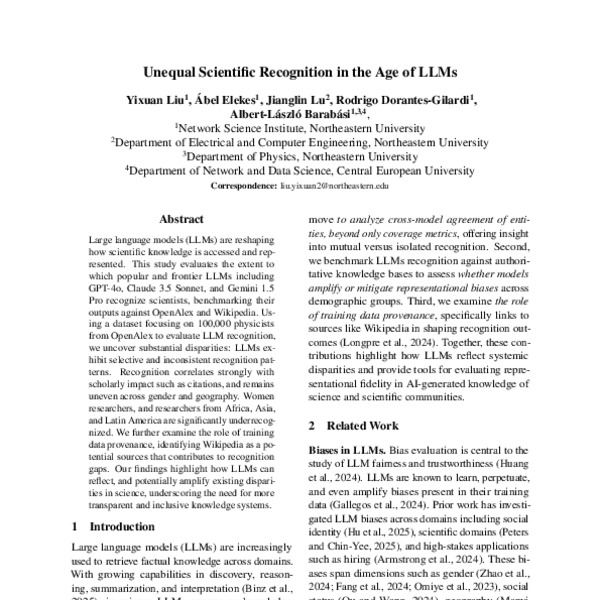
Unequal Scientific Recognition in the Age of LLMs
Large language models (LLMs) are reshaping how scientific knowledge is accessed and represented. This study evaluates the extent to which popular and frontier LLMs including GPT-4o, Claude 3.5 Sonnet, and Gemini 1.5 Pro recognize scientists, benchmarking their outputs against OpenAlex and Wikipedia. Using a dataset focusing on 100,000 physicists from OpenAlex to evaluate LLM recognition, we uncover substantial disparities: LLMs exhibit selective and inconsistent recognition patterns. Recognition correlates strongly with scholarly impact such as citations, and remains uneven across gender and geography. Women researchers, and researchers from Africa, Asia, and Latin America are significantly underrecognized. We further examine the role of training data provenance, identifying Wikipedia as a potential sources that contributes to recognition gaps. Our findings highlight how LLMs can reflect, and potentially amplify existing disparities in science, underscoring the need for more transparent and inclusive knowledge systems.
Home | Bellingcat's Online Investigation Toolkit
A toolkit for open source researchers

Home - Open science monitoring initiative - OSMI
News All news OSMI is an original idea from the French Ministry of Higher Education and Research, the Université de Lorraine and Inria. Other initiators of OSMI include Unesco, Charité Universitaetsmedizin Berlin, PLOS, and SPARC Europe. The initiative is coordinated by Université de Lorraine, SPARC Europe and Unesco. To receive the latest news from OSMI, ...
Magamba Network – We are Africa's trailblazing creative & digital media organisation.
We’re all about using arts, digital media, civic tech & activism to reach young people and get them involved in the big issues of our time. We run some of the most disruptive digital platforms & creative initiatives on the African continent with an online community of over 500,000 young people.
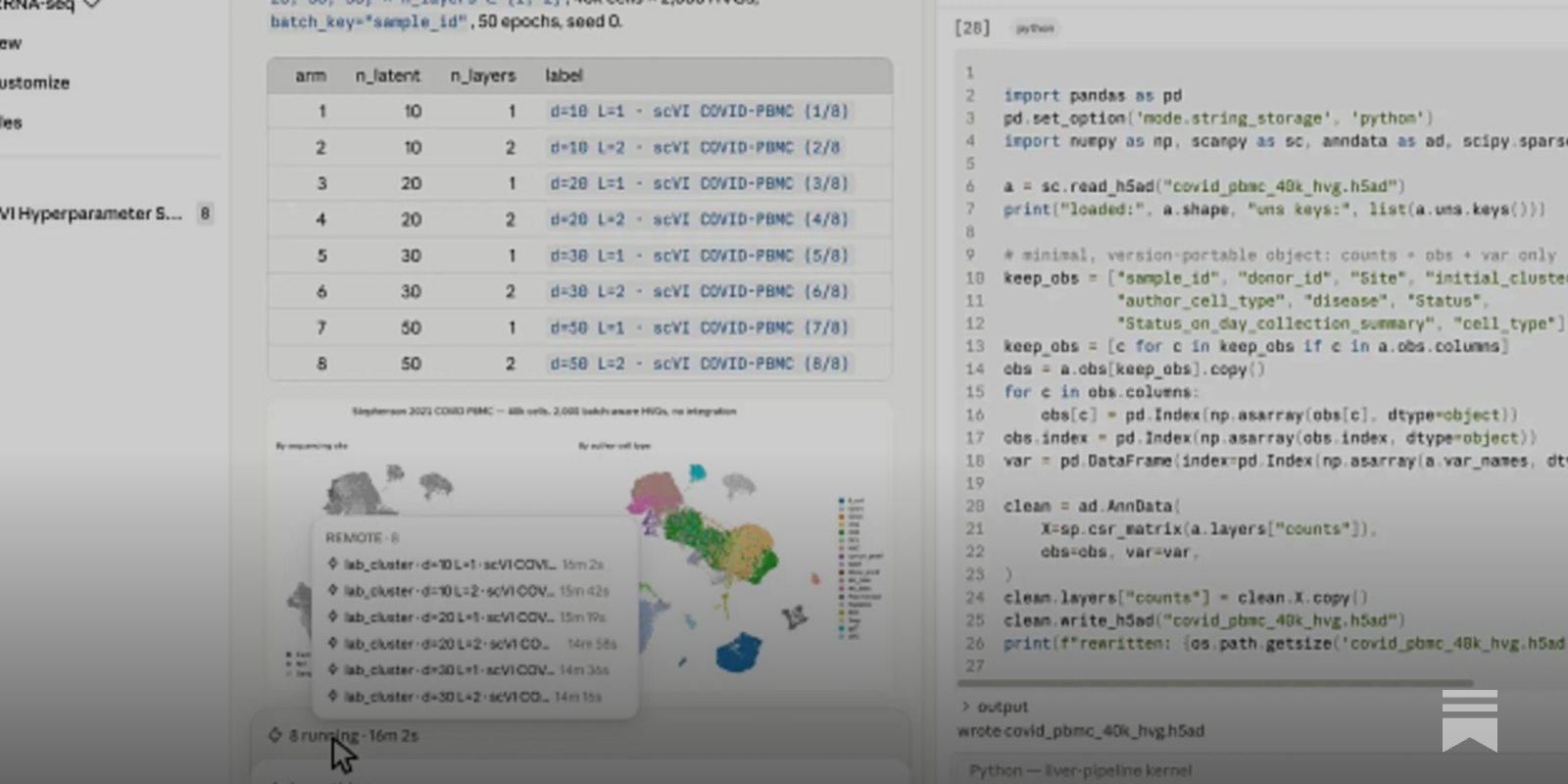
Test Driving Claude Science
Anthropic released Claude Science today. I tried it out for an AIxBio literature review and for an analysis using the IUCN Red List API with R.
CAIROS | Collective Augmented Intelligence for Research & Open Science
We're a cooperative federation of open science projects working towards collectively stewarded research commons.
How and When to Involve Crowds in Scientific Research | James Evans
The lone academic in a basement lab is an endangered species. Years ago I asked Paul Ginsparg, who founded arXiv, what features his machine-learning filter used to flag speculative submissions. The top three: single-authored, submitted on a weekend, and heavy citation of Newton and Einstein. Science is a contact sport now. Marion Poetz and Henry Sauermann's How and When to Involve Crowds in Scientific Research (https://lnkd.in/g5pwVbfD) is the field manual. What crowds can do: Volume. Zooniverse mobilizes 2.7 million people to classify galaxies and court records. Galaxy Zoo's co-founder hand-classified 50,000 galaxies in one week before concluding that isolation would break him. Reach. NASA spent years failing to predict solar flares, then broadcast the problem. The winner was a semi-retired radio engineer in rural New Hampshire who swapped satellite data for radio data. Experience. Patients and caregivers asked to generate research questions produced 826 that scientists had missed, including the link between aging and wound healing. Bench-to-bedside runs backward. One caution the book underplays: an open call is not an inclusive one. Participation costs in time, money, and access screen people out. Self-selection can narrow the very diversity that makes crowds thrive. As AI floods the labor supply of routine, homogeneous cognition, human crowds become more valuable, not less. Machines process. People notice what nobody thought to ask. Check out my review @ https://lnkd.in/gkzvWrRC and the book @ https://lnkd.in/g5pwVbfD!

Q&A from the slop trenches – GeoSpatial ML
We reviewed 22 ML conference submissions this summer. Fifteen had fabricated citations, hallucinated authors, or clear LLM slop, so we complain about that a bit, and release the paper references audit we now run.
AI for Research | Scite
Scite searches 280M+ scholarly articles to give you citation-backed answers and show you how every claim is supported or disputed.
And for context, here are the sleuths' profiles in other outlets: thetransmitter.org/publishing/retraction-she-wro… zmescience.com/science/the-rise-of-the-scien… These people are pros.

Retraction, She Wrote: Dorothy Bishop’s life after research
www.thetransmitter.org“Open, Collaborative and Participative Science: Rethinking the Legitimacy of Knowledge, the Policies and the Future of Science.” - looks like an interesting track during the Eu-SPRI Forum Annual Conference 2026 (10–12 June 2026, Valencia) euspri2026.webs.upv.es
Networked Research Labs

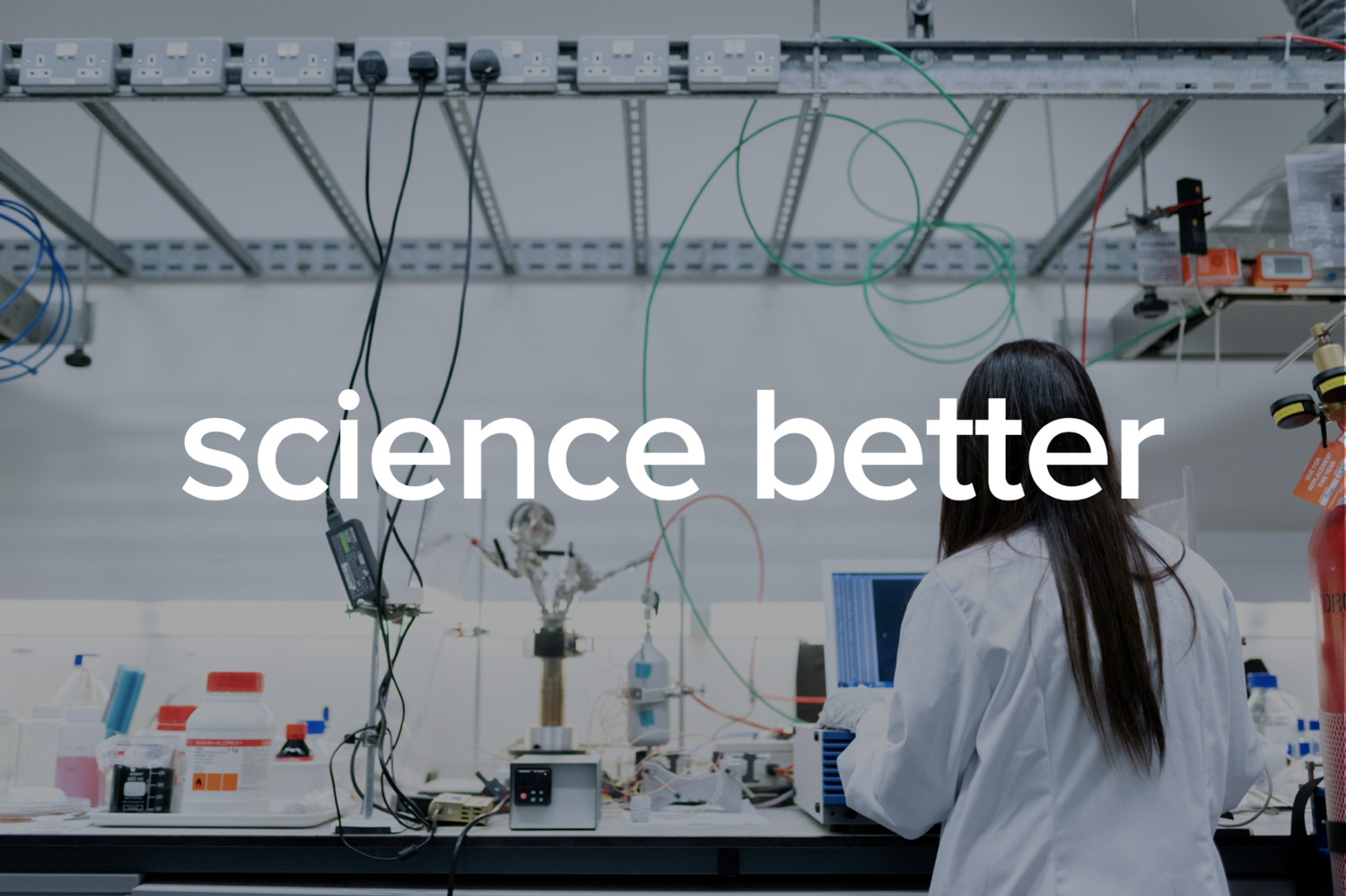
Improving scientific mentorship with "Open Labs" — science better
Federating friendly spaces - Roomy
modular research multi-agent slack-like environment demo
Buzz! 🐝
Genspace
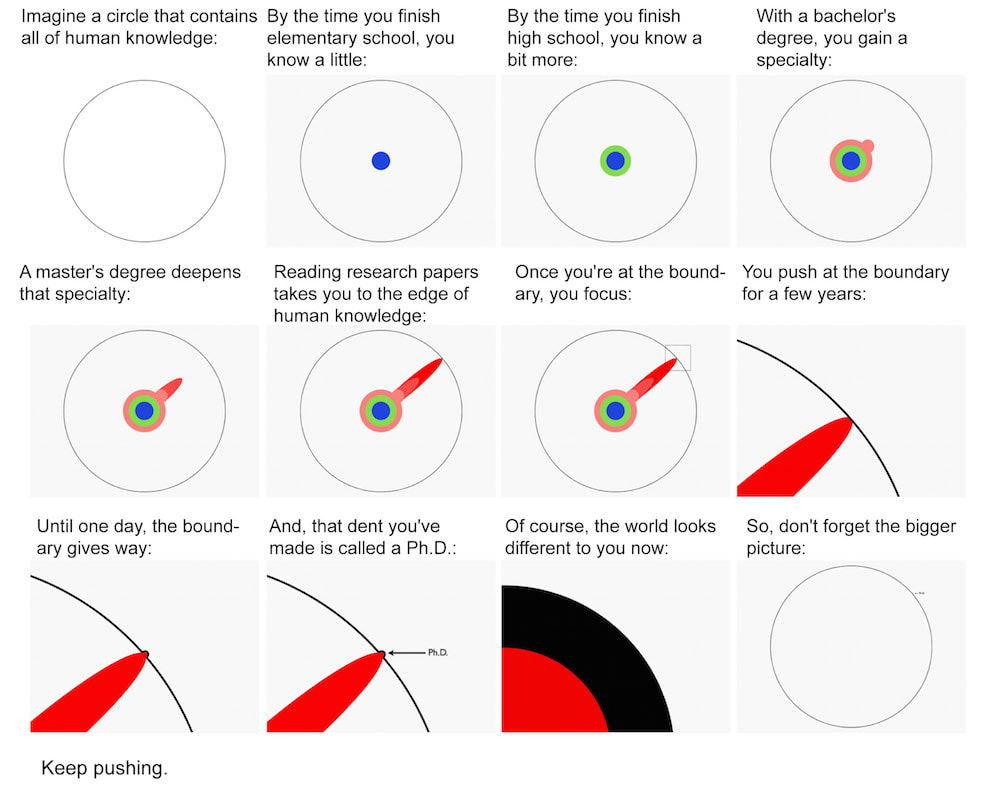
On open-science research labs on discord, and getting more people.


