

Is all code becoming the same? On one hand, 95% of Kaggle submissions that set a random seed now use 42 (a Hitchhiker's Guide joke LLMs love). But, it turns out that while coding syntax is converging, approaches to problems are not converging. Human prompters drive real variety in solutions.
Aug 7, 2026 at 2:44 AM
The Hitchhiker's Guide to Monoculture
Large language models (LLMs) often produce homogeneous outputs, raising concerns that AI coding assistants may lead to convergence in the software artifacts that developers create. Whether this occurs in practice is unclear because developers interactively prompt, evaluate, modify, and reject model outputs, and because outputs vary with prompt and repository context. I examine code homogenization using Kaggle contest submissions from 2019 to mid-2026. I first document widespread convergence toward the random seed value 42, consistent with LLMs reinforcing a longstanding convention in programming culture. I then study homogenization more broadly, at two levels of aggregation and abstraction. At the submission level, I measure the average pairwise similarity of submissions within contests. At the contest level, I measure the conceptual span of submitted code, motivating distinct measures for each: TF-IDF representations, which capture surface syntax, and Voyage 3 code embeddings, which capture code intent and semantics. The results demonstrate substantial syntactic homogenization at both the individual and collective levels: individual submissions have become more alike in literal syntax and code structure, while the latent dimensionality of syntactic variation has narrowed. In contrast, I find little evidence of semantic homogenization, individually and collectively. Average semantic distance remains essentially flat, and the contest-level latent dimensional span of semantic approaches remains stable. These findings suggest that AI coding assistants are certainly standardizing implementation details, yet they have not yet produced evidence of homogenization in the approaches and problem-solving strategies coders employ.

If coding is solved, what now?: Measuring the sloppiness of code | EARENDIL
Exploring how to measure code sloppiness, why correct code can still erode a codebase, and why human intuition and taste still matter.

Code Is Cheap Now, And That Changes Everything | Pere Villega
AI coding agents have made code production nearly free. Drawing on insights from Kent Beck, Paul Ford, and Simon Willison, this post argues that the value has shifted from writing code to defining systems — contracts, invariants, SLAs, and verification.
Chris Granger - Coding is not the new literacy
Despite the good intentions behind the movement to get people to code, both the basic premise and approach are flawed. The movement sits on the idea that “coding is the new literacy,” but that takes a narrow view of what literacy really is.
We asked 15,000 people who they are, and how they’re learning to code
More than 15,000 people responded to the 2016 New Coder Survey, granting researchers an unprecedented glimpse into how adults are learning to code. We’ve released the entire dataset of participants’ individual responses to all 48 questions — under th...


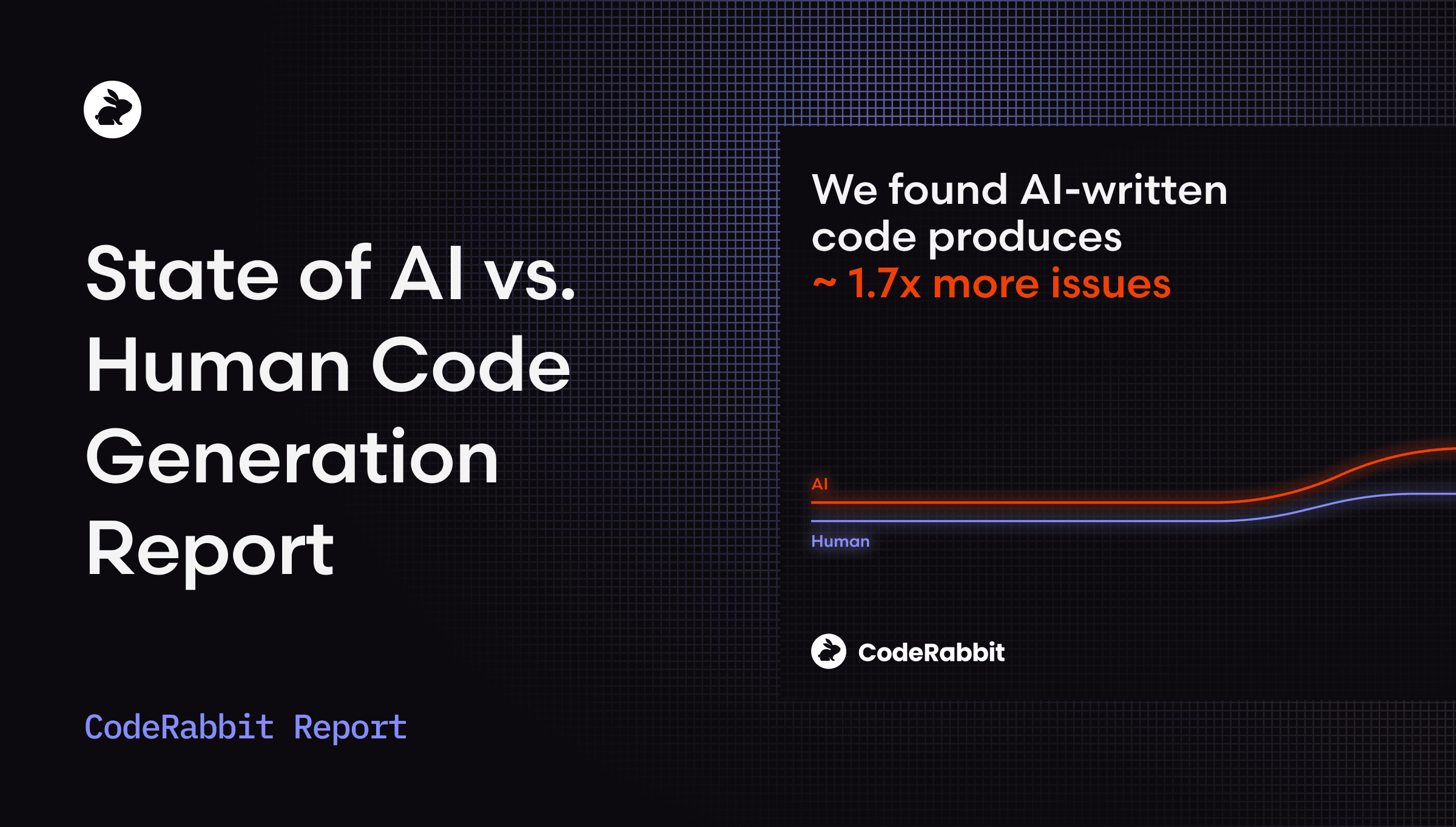
AI vs human code gen report: AI code creates 1.7x more issues
We analyzed 470 open-source GitHub pull requests, using CodeRabbit’s structured issue taxonomy and found that AI generated code creates 1.7x more issues.
The two worlds of programming: why developers who make the same observations about LLMs come to opposite conclusions
Writing at the end of the world, from Hveragerði, Iceland
Provisional Guidance for Users of LLM-Based Code Generators
available intuition for avoiding big risks

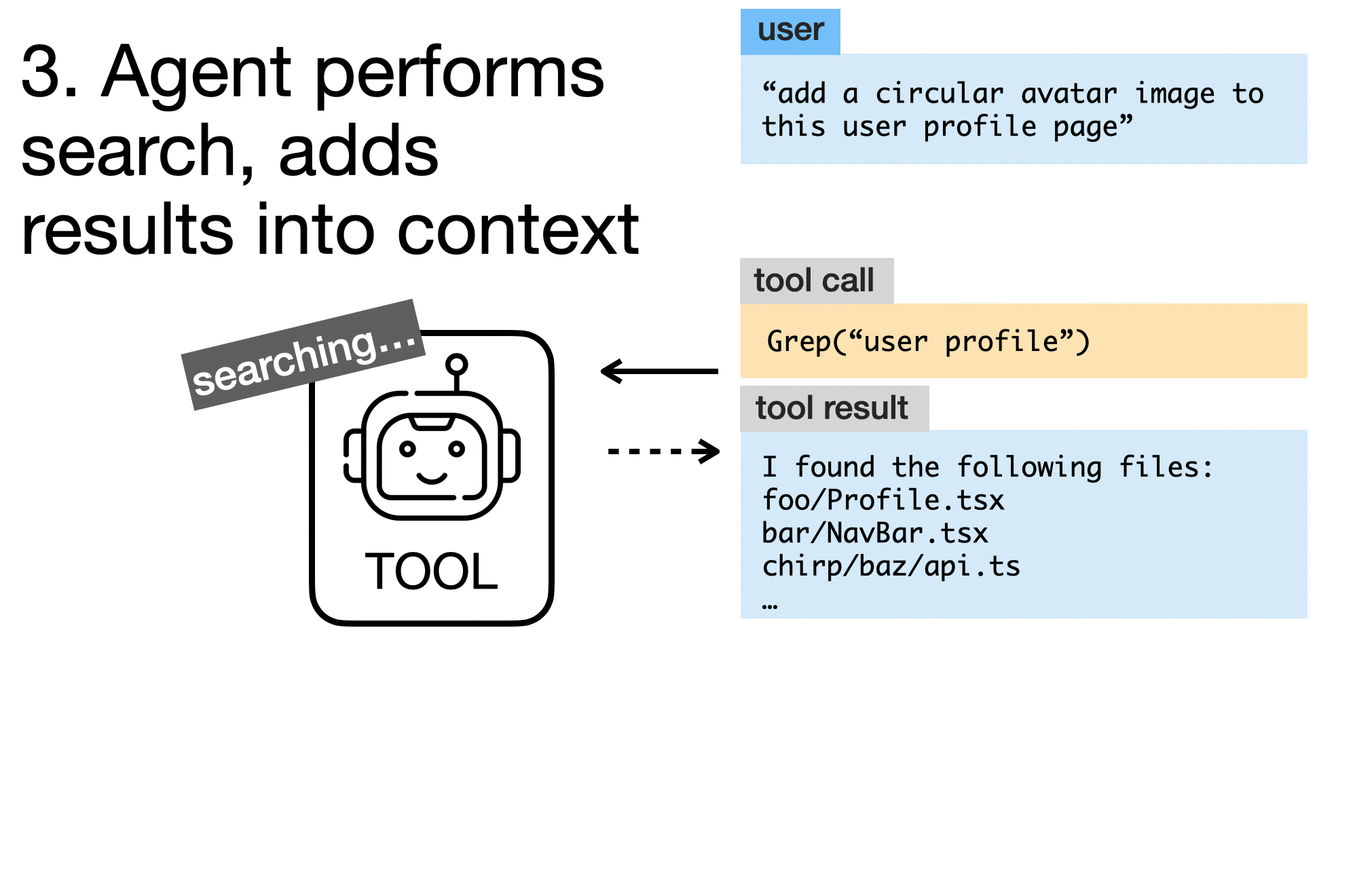
Same Model, Different Results: Why Coding Agents Aren't Interchangeable
Reverse-engineering Claude Code reveals why it performs differently from other agents that use the same Anthropic models. The answer lies in sophisticated context engineering and tool orchestration hidden beneath the surface.
Devin Review: AI to Stop Slop | Cognition
As code generation gets easier, code review is the new bottleneck. That's why we're launching a new way to quickly review and understand complex PRs in our latest tool for codebase understanding - augmenting human attention with AI.

Coding After Coders: The End of Computer Programming as We Know It - …
archived 16 Mar 2026 15:14:04 UTC

Copyrightability of LLM-generated code: Can we license “vibe code” into Free Software? - FSFE
The use of large language models (“LLMs”) has exploded in recent years, including in the generation of source code. But even as their usage gains popularit...

Writing Code vs. Shipping Code: Productivity Effects Across Generations of AI Coding Tools
How do the productivity effects of AI evolve across successive generations of tools, and to what extent do task-level gains ultimately translate into final outp

