

Same argument was made about smartphones (“expensive, elitist, not accessible to most of the world”). Now most of the world has smartphones. Why? Economies of scale and learning curves. You have to start with the easy part of the adoption curve before you can reach the hard part of adoption curve.

David Zipper
Robotaxis create serious problems in big, dense cities, but they’d be a godsend in small towns and rural areas—huge swaths of America that the AV industry is ignoring. My latest, in Bloomberg (gift link) 🧵
Sep 3, 2026 at 1:29 PM
Thinking about other industries like we think about data centers shows how impoverished the debate is
Clumsy, arbitrary environmental ideas ignore the incredible complexity of the systems modern society depends on

We used to get excited about technology. What happened?
Innovation that truly serves us all is in scarce supply. That’s a problem.
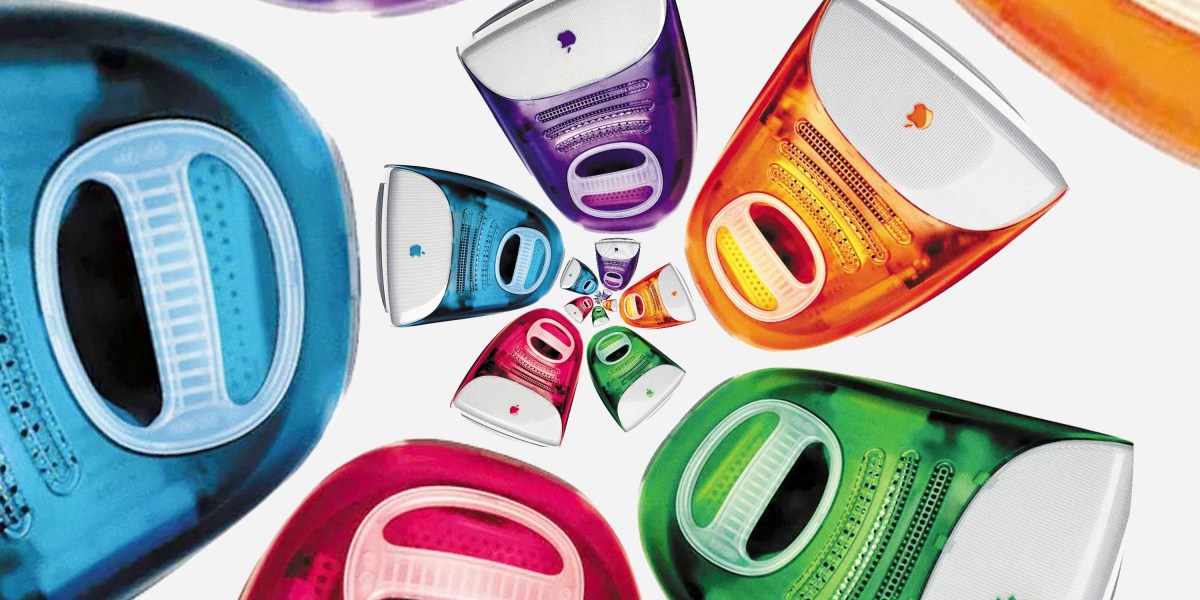
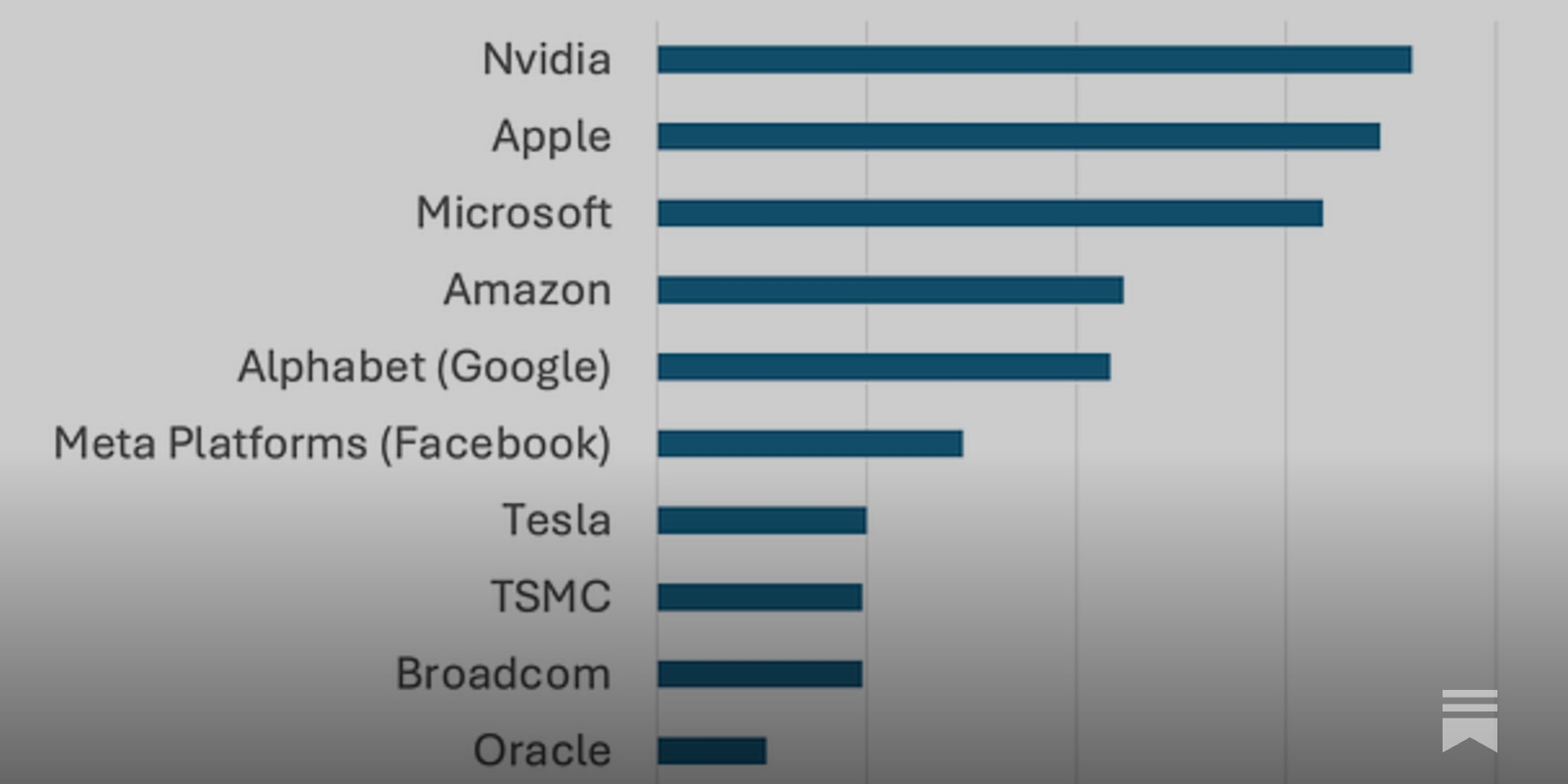
Capabilities adoption
Capabilities adoption needs a lot more education and promotion.Interest in Capabilities There are currently three communities that are interested ...

THE RISE OF ANDROID: How a flailing startup became the world's biggest computing platform
Android is now one of the biggest computing platforms in the world. But it wasn't easy to get the industry to buy into Andy Rubin's radical vision.
Gender Gap
Progress in closing the gender gap in mobile internet adoption across low- and middle-income countries (LMICs) has stalled. While more women are using mobile internet than ever before, their rate of adoption has slowed in the past year and women are now 14% less likely than men to use it. This equates to 235 million […]

Minimum Viable Infrastructure
Minimum Viable Infrastructure Innovation often emerges not solely from brilliant ideas but from the infrastructure readiness that makes those ideas viable. Consider the progression of mobile consumer internet applications over the past two decades: Twitter, Instagram, Snapchat, TikTok. Their lau...

Google, Facebook, and Amazon benefit from an outdated definition of “monopoly”
A few weeks ago, Italy fined Apple and Samsung €15 million for the “planned obsolescence” of their smartphones. The antitrust regulators allege that both companies pushed users to download software that slowed phone performance, forcing customers to buy replacement phones sooner.

As more Americans adopt AI tools, fewer say they can trust the results | TechCrunch
AI adoption is rising in the U.S., but trust remains low, with most Americans concerned about transparency, regulation, and the technology’s broader societal impact, according to a new Quinnipiac poll.

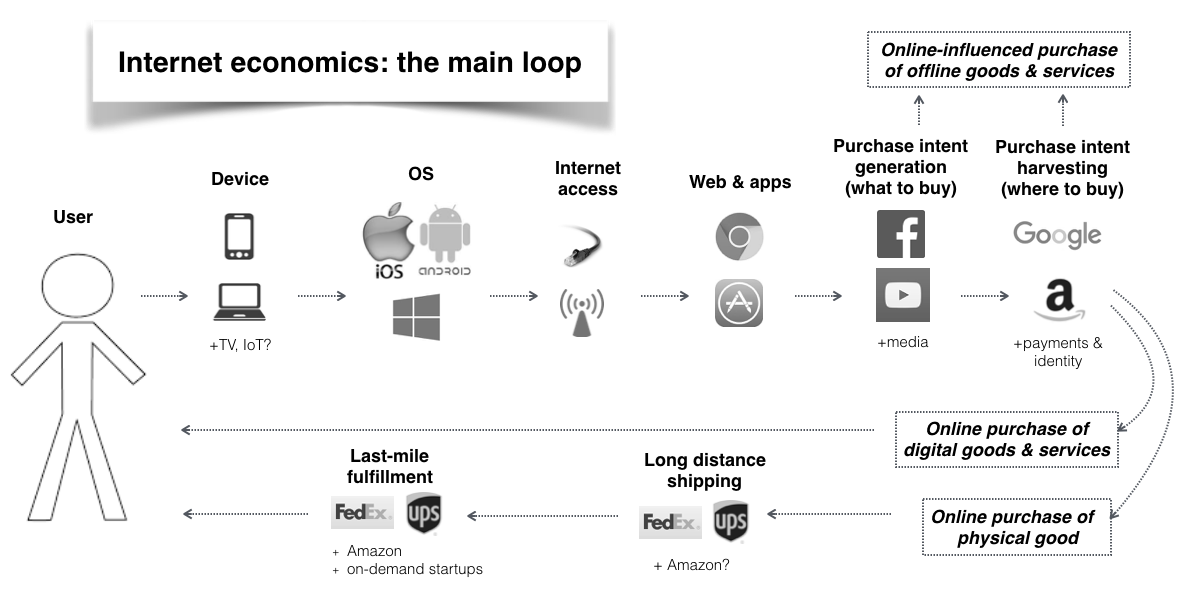
The Internet Economy
We are living in an era of bundling. The big five consumer tech companies — Google, Apple, Facebook, Amazon, and Microsoft — have moved far…

Facebook and the Cost of Monopoly
Facebook gave one of the worst keynotes in a long time: there was no vision, just the adoption of Snap’s. It’s the inevitable outcome of a monopoly.

The Second Smartphone Revolution - AVC
Benedict Evans tweeted out this chart yesterday: We sometimes think of the shift to mobile as finished, or almost finished. It isn’t. pic.twitter.com/l5gaiMlaoU — Benedict Evans (@BenedictEvans) March 12, 2016 The first 2.5bn smartphones brought us Instagram, Snapchat, Uber, Whatsapp, Kik, Venmo, Duolingo, and most importantly, drove the big web apps to build world class […]
The Distribution of Users’ Computer Skills: Worse Than You Think
Across 33 rich countries, only 5% of the population has high computer-related abilities, and only a third of people can complete medium-complexity tasks.
The Invisible OS
THE INVISIBLE OS – Every massive consumer technology business is selling the same thing: the removal of thought. In the end, convenience always wins. Dishwashers automated hours of domestic chores. GPS externalized our spatial memory. Calculators offloaded routine arithmetic. The pattern acceler...

The Invisible OS
THE INVISIBLE OS – Every massive consumer technology business is selling the same thing: the removal of thought. In the end, convenience always wins. Dishwashers automated hours of domestic chores. GPS externalized our spatial memory. Calculators offloaded routine arithmetic. The pattern acceler...

