

We Need to Know More About How AI is Affecting Mental Health
The public, mental health practitioners, and policymakers don’t know enough about the impacts of AI use on the human psyche, writes Chris Mills Rodrigo.

Nothing Works and Everyone Is Euphoric
As I’m writing this, we’re in the middle of an AI-induced mass psychosis. People are literally token-maxxing themselves into hospital beds, scrambling to capture some of that market value before everything is automated away. I can’t blame them. Models keep getting better, programmers are being laid off left and right. We’ve been repeatedly told that AI will write 100% of the code by the end of the year. Whether that’s true or not, this may not be the best time to sit back.
I'm done using AI
Why I'm stopping using AI for coding (and anything else) after using it earnestly for a year and coming to understand the harms it causes on personal, societal, and environmental levels.

Your medical provider might be recording your mental health care visits – The Markup
Mental health providers are increasingly using AI technology to record conversations, raising privacy concerns among patients and practitioners.
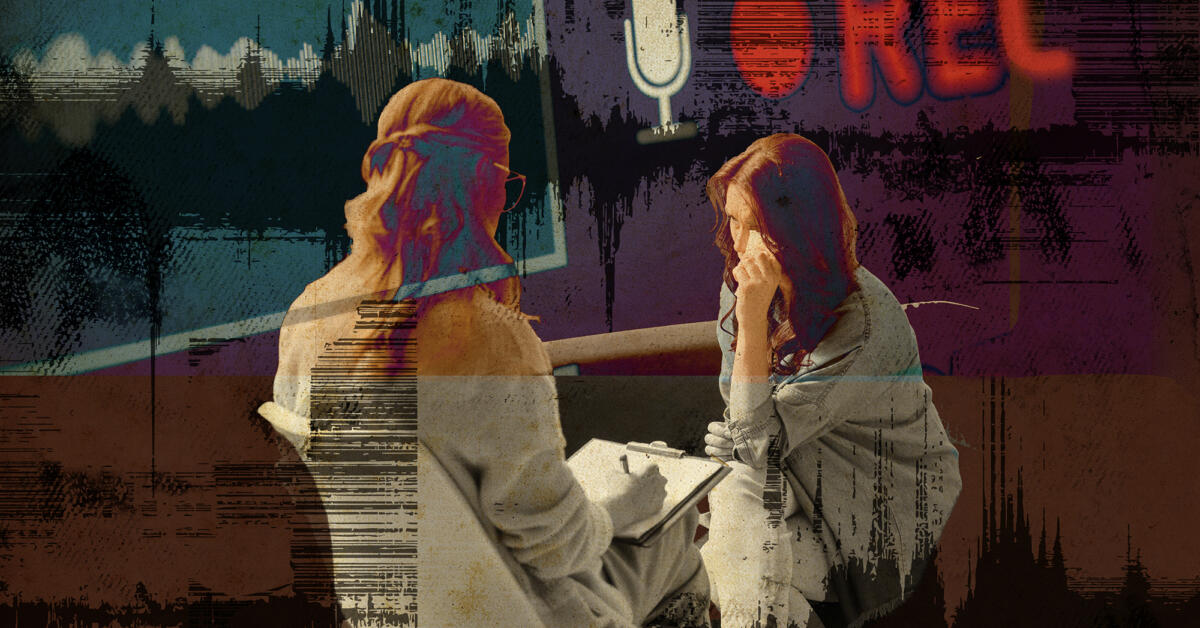
What we (don’t) talk about when we talk about AI
Everybody’s talking about it; everybody’s tired of talking about it. Why aren’t we making more progress in the discussion?

Americans Turning to AI to Supplement Healthcare Visits
One in four Americans use AI for health information. Most do so to supplement care, but some are using AI in place of a provider visit when barriers arise.
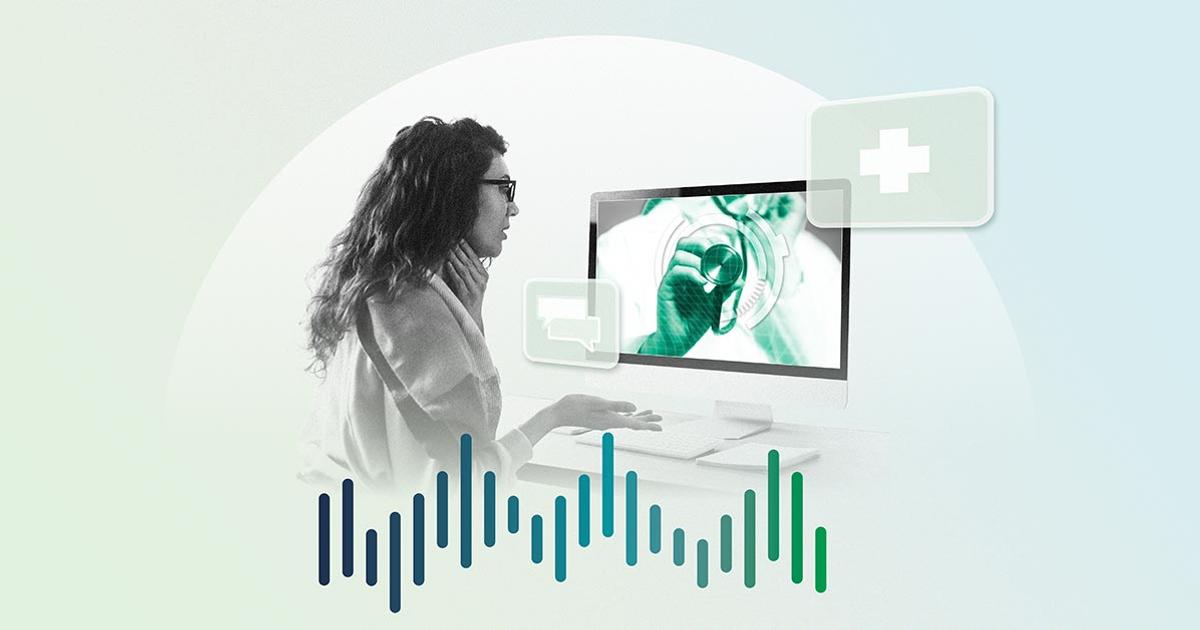
Researchers Studied What Happens When Workplaces Seriously Embrace AI, and the Results May Make You Nervous
Introducing AI in the workplace can create a vicious cycle that leaves employees overburdened and burned out.
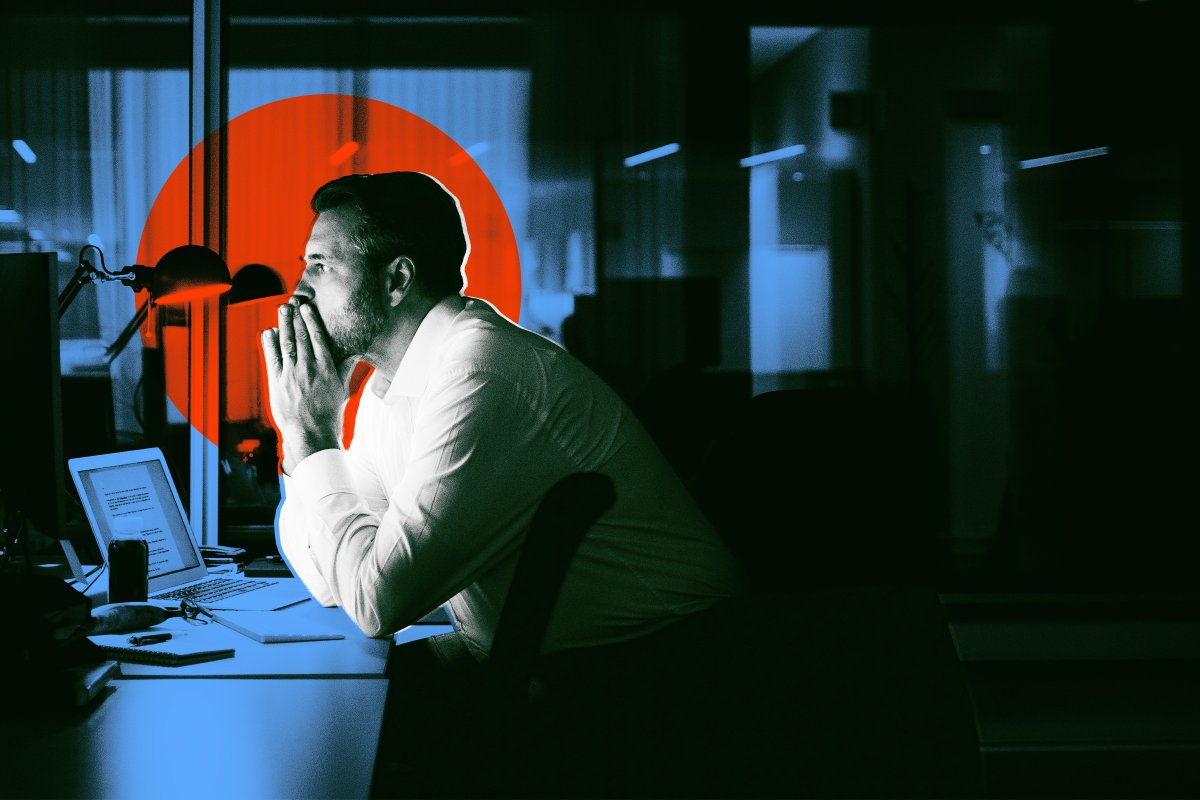
Using AI Made Doctors Worse at Spotting Cancer Without Assistance
A new study offers the latest evidence of potential “deskilling” effects on AI users.
How To Prompt on Twitter / X
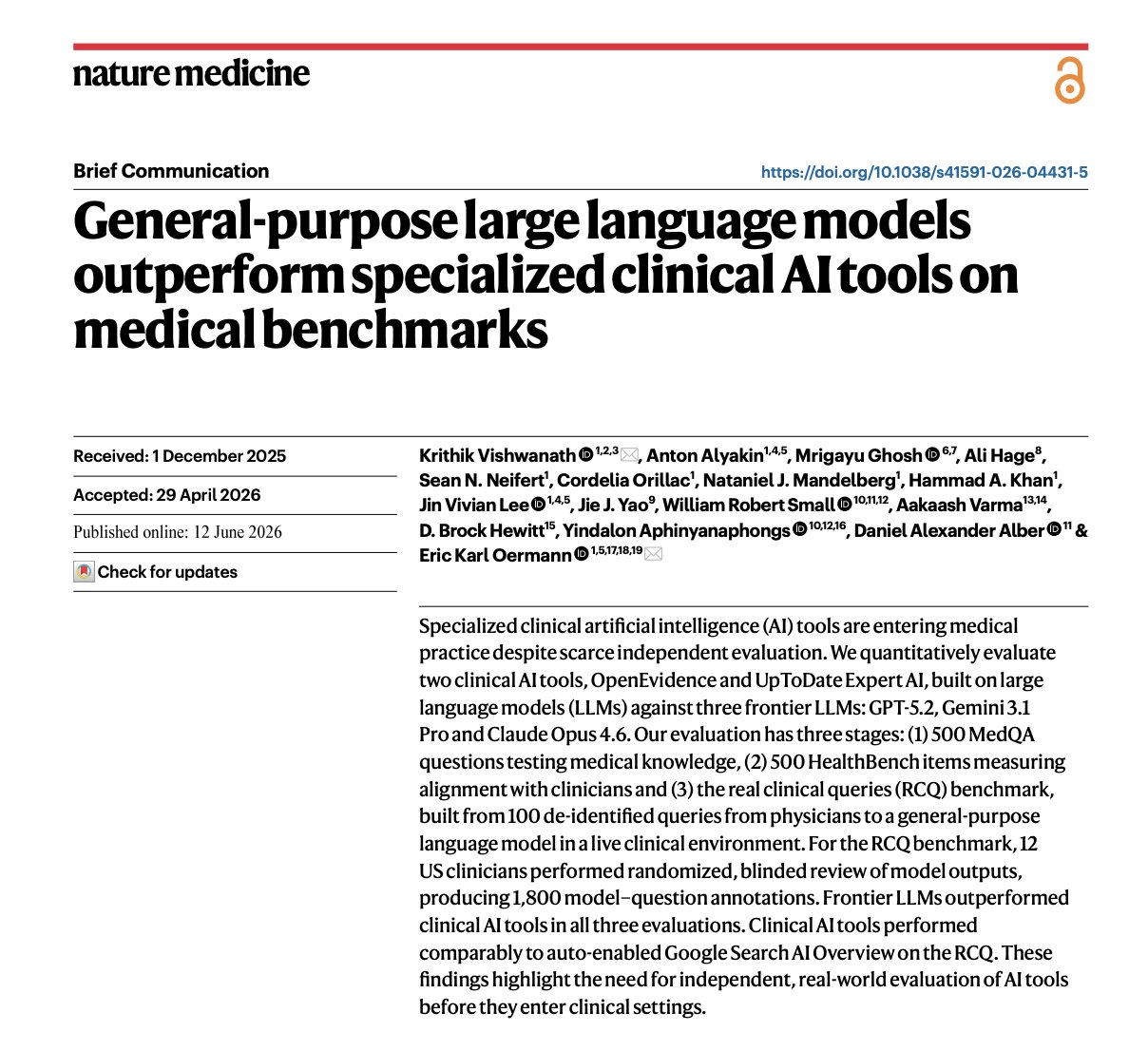
scientist tested a 3.5 billion dollar medical AI against regular chatGPT and it lost on every single one.they just published a paper in nature medicine, and the results are actually mindblowing.they took specialized clinical ai tools and tested them against general-purpose… pic.twitter.com/P7ePLunrDj— How To Prompt (@HowToPrompt__) July 6, 2026
Americans are increasingly concerned about AI exacerbating mental health problems
One in 10 Americans (10%) say they definitely (2%) or probably (8%) could form a deep emotional bond with an AI chatbot companion.
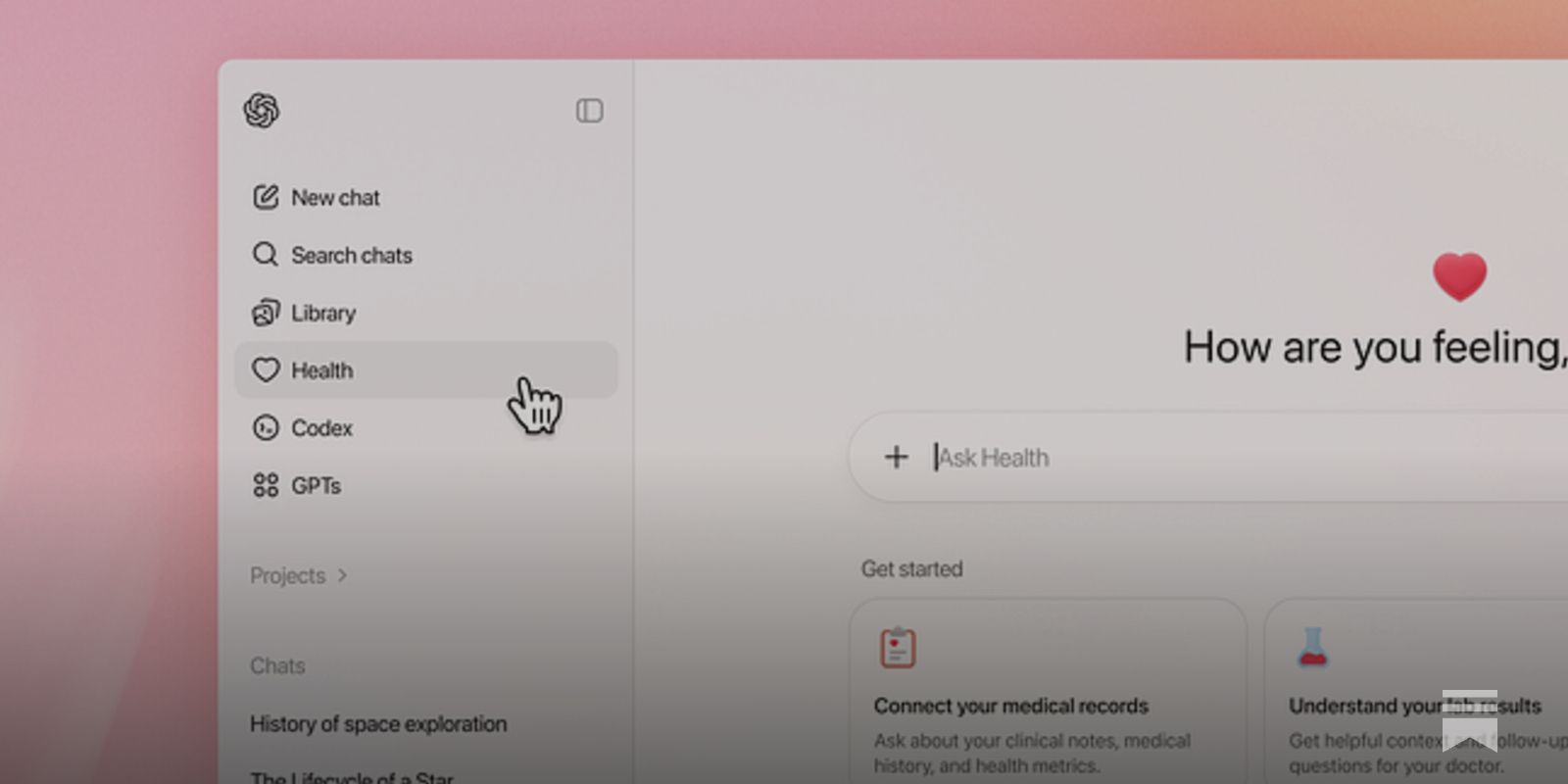
ChatGPT Health and what AI can do for a broken system
Healthcare isn’t working for patients or doctors, but AI tools can help.
Company Offering ‘100% Human-Written, Never AI’ Medical Research Is Entirely AI
Research Gold's team of human methodologists are either AI generated or using the identity of real people without their permission
Company Offering ‘100% Human-Written, Never AI’ Medical Research Is Entirely AI
Research Gold's team of human methodologists are either AI generated or using the identity of real people without their permission
AI Is a Mass-Delusion Event
Three years in, one of AI’s enduring impacts is to make people feel like they’re losing it.
Using AI for advice or other personal reasons is linked to depression and anxiety
A new survey found that people who spend more time with chatbots for social interactions or emotional support were likelier to report mental health symptoms.
People are using AI for their health crises, and no amount of screaming about it is stopping that. I started slowly drafting a piece about my experiences having long, slow conversations about AI practices in the patient communities I'm in, where I primarily stay just to provide scientific support
Mar 9, 2026 at 4:37 PM

