

EXCLUSIVE: "People are like, 'You have a platform. Use it,' and then once you use it, it's like, 'Go back to playing basketball.'” "We can be a great example of how to do both." Sophie Cunningham talks the ongoing WNBA discourse around trans athletes:

Sophie Cunningham says WNBA can discuss both controversy, basketball | Exclusive
www.usatoday.comAug 19, 2026 at 12:38 PM
Trans athletes in sports | The Paper Pilot
The Paper Pilot's digital garden of thoughts on philosophy, politics, and sociology
Debunking every Anti Transgender Argument Part 1: Trans Women in Women's Sport
NYT Less Interested Than Ever in Trans Perspectives on Trans Issues
Even while feigning concern, the paper of record remains largely uninterested in centering trans people and perspectives in coverage of trans issues.
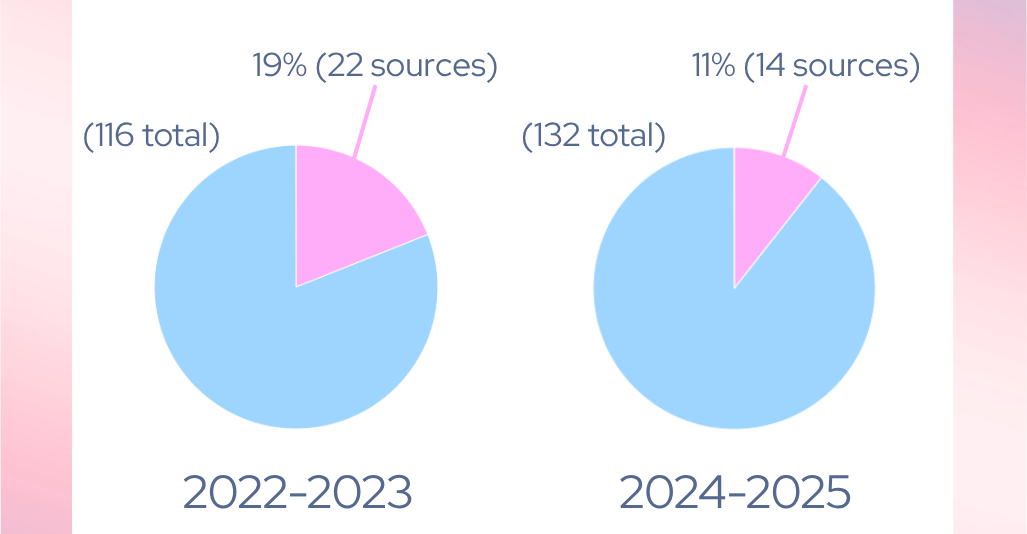
The New York Times helped fuel an anti-trans panic in 2022. Will 2023 be any better?
Perhaps no mainstream publication did more in 2022 than the New York Times to shift the mainstream conversation around transgender equality away from obstacles to access in housing, employment, and health care and toward the idea that the most pressing issue facing the trans community is actually too much medical care. The paper’s venerable pages featured profile after profile that platformed anti-trans extremists, fearmongered about the price of transgender acceptance, and framed rising trans identification as a social contagion. A recent article that centers the concerns of parents calling for the forced outing of transgender students shows why in 2023, the Times must improve its coverage.

Inside The Culture Of Sexism At Riot Games - Kotaku
Throughout her three years at Riot Games, the company behind League of Legends, Lacy made it her mission to hire a woman into a leadership role. Lacy had

Lily Simpson
Protocols, Not Platforms: A Technological Approach to Free Speech
So I finally finished reading this and while I agree with the recommendation, I’m a little wary of some of the context it’s rooted in ideologically and I’m wondering if others have thoughts on these things. Equality in the marketplace I think the main problem with the text is that it relies heavily on the idea of “marketplace of ideas,” leaning heavily on the idea that protocols are actually good for markets specifically because they make competition more perfect (because there’s better knowled...

We Are Civic Media
A discipline-crossing introduction to civic media via accounts from grassroots practitioners “Civic media” is the use of contemporary technologies to connect communities, inspire action, build civic capacity, and sustain social change efforts. Written by artists, creators, storytellers, organizers, and others working at the intersections of technology, social justice, and culture, this book summons civic media through the lived experiences of its contributors. Latoya Peterson delves into the therapeutic power of gaming; Akilah Hughes discusses identity and community through the lens of her campaign to change her high school's racist mascot; and Tyree Boyd-Pates emphasizes the potential power of museum curation to challenge power dynamics and bridge digital and physical realms. Through the experiences of these grassroots practitioners and many others, We Are Civic Media offers accessible insights for those interested in understanding, respecting, and practicing civic media.
Valve’s quest to take e-sports mainstream
The ‘Dota 2’ version of the World Cup is bringing pro gaming to the fore

The Harris Campaign Has Offered Trans People Almost Nothing
Harris has been virtually silent on trans rights, and her policies would disproportionately benefit well-off trans people.

Exit, Voice, and Platform Loyalty
A recent article by Renée DiResta is interesting for a number of different reasons.

Trans Journalists Association Stylebook and Coverage Guide
The Transgender Journalists Association’s Stylebook and Coverage Guide is a tool reporters, editors, and other journalists can use to improve news coverage of trans people and the stories that affect them.
You Can Form a Part of Yourself Online: The Influence of New Media on Identity Development and Coming Out for LGBTQ Youth
Internet-based new media are increasingly utilized by lesbian, gay, bisexual, transgender, and queer (LGBTQ) youth, yet little is known about the ways in which it influences their identity developm...
You Can Form a Part of Yourself Online: The Influence of New Media on Identity Development and Coming Out for LGBTQ Youth
Internet-based new media are increasingly utilized by lesbian, gay, bisexual, transgender, and queer (LGBTQ) youth, yet little is known about the ways in which it influences their identity developm...
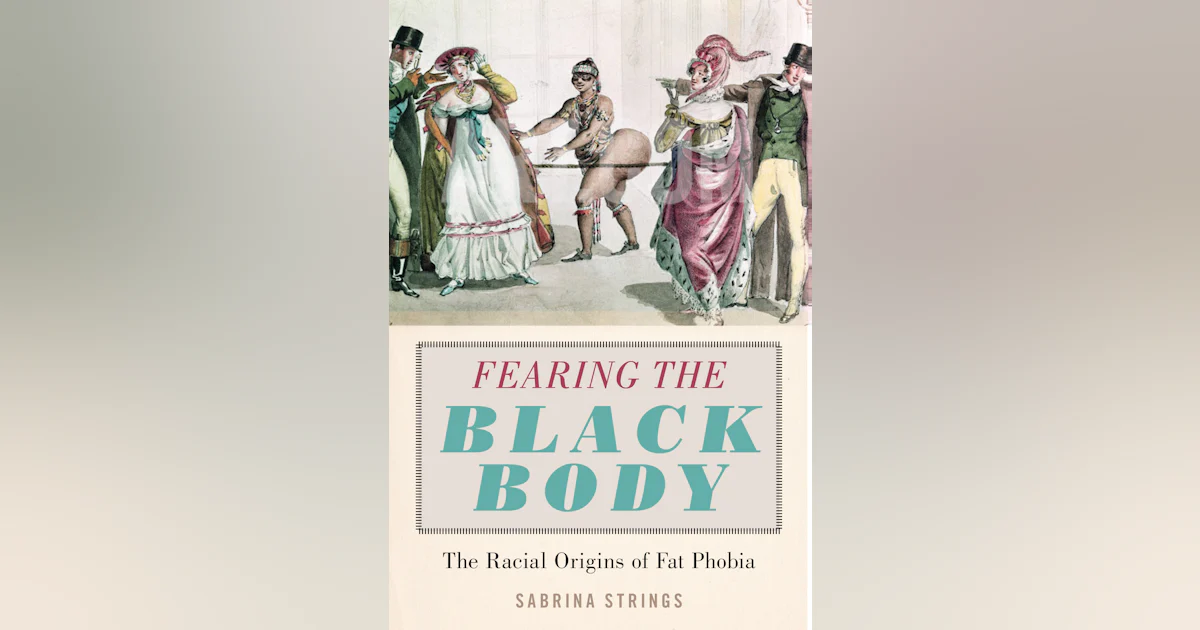
Fearing the Black Body
Winner, 2020 Body and Embodiment Best Publication Award, given by the American Sociological AssociationHonorable Mention, 2020 Sociology of Sex and Gender Di...
Art is my sport. I’ve been competing since 1984. 444 pages of my Paper Stage art club journal have made it to home team supporters. Today’s swing at the bat is @sweetbee.vip as a warrior because I want to contribute to her brainstorming team and just get out there, give 110% Bee’s be the big leagues

