

Denmark's coal-to-wind transition is one of the most dramatic energy transformations of the past three decades. In 1990, coal provided 90% of Danish electricity. Today it is under 3%. Wind now covers roughly 60% of electricity generation. The last coal plant is scheduled to close by 2028.
Apr 25, 2026 at 11:15 AM
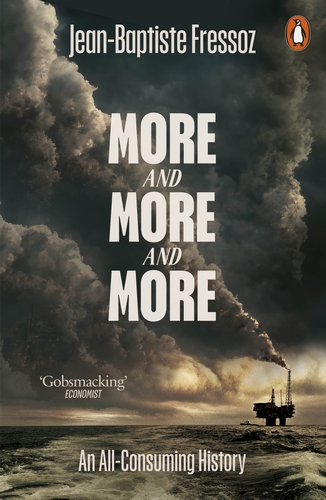
More and More and More
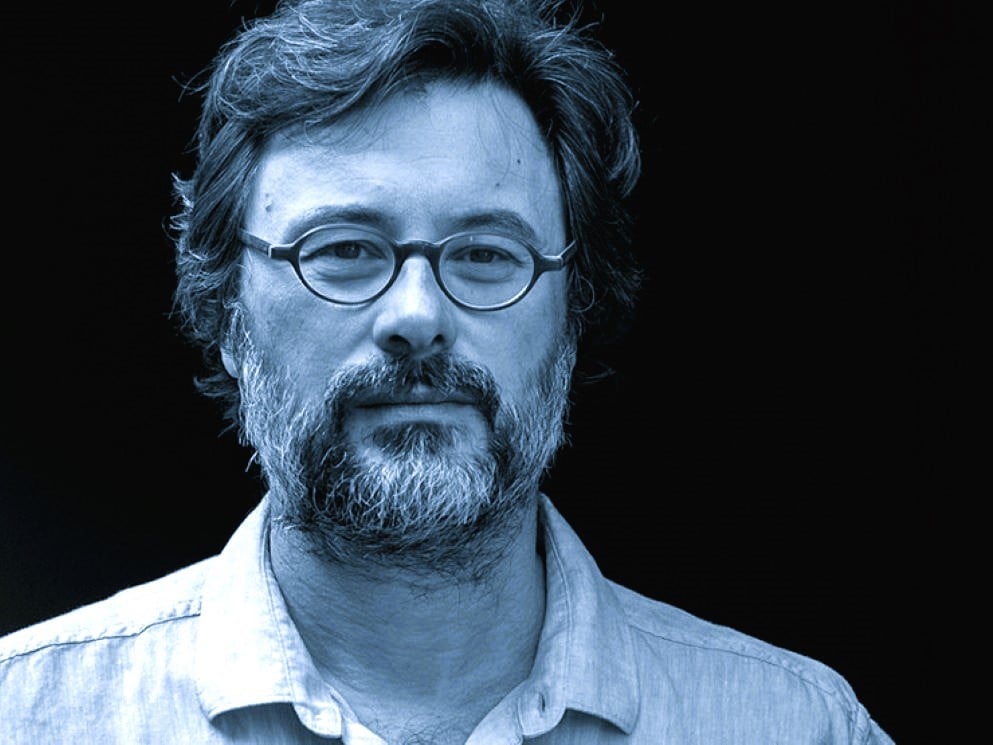
It has become habitual to think of our relationship with energy as one of transition: with wood superseded by coal, coal by oil, oil by nuclear and then at some future point all replaced by green sources. Jean-Baptiste Fressoz’s devastating but unnervingly entertaining book shows what an extraordinary delusion this is. Far from the industrial era passing through a series of transformations, each new phase has in practice remained almost wholly entangled with the previous one. Indeed the very idea of transition turns out to be untrue. The author shares the same acute anxiety about the need for a green transition as the rest of us, but shows how, disastrously, our industrial history has in fact been based on symbiosis, with each major energy source feeding off the others. Using a fascinating array of examples, Fressoz describes how we have gorged on all forms of energy – with whole forests needed to prop up coal mines, coal remaining central to the creation of innumerable new products and oil still central to our lives. The world now burns more wood and coal than ever before. This book reveals an uncomfortable truth: ‘transition’ was originally itself promoted by energy companies, not as a genuine plan, but as a means to put off any meaningful change. More and More and More forces its readers to understand the modern world in all its voracious reality, and the true nature of the challenges heading our way.
Global Electricity Review 2026 | Ember
Solar surge halts fossil generation rise as clean power meets all demand growth and renewables overtake coal

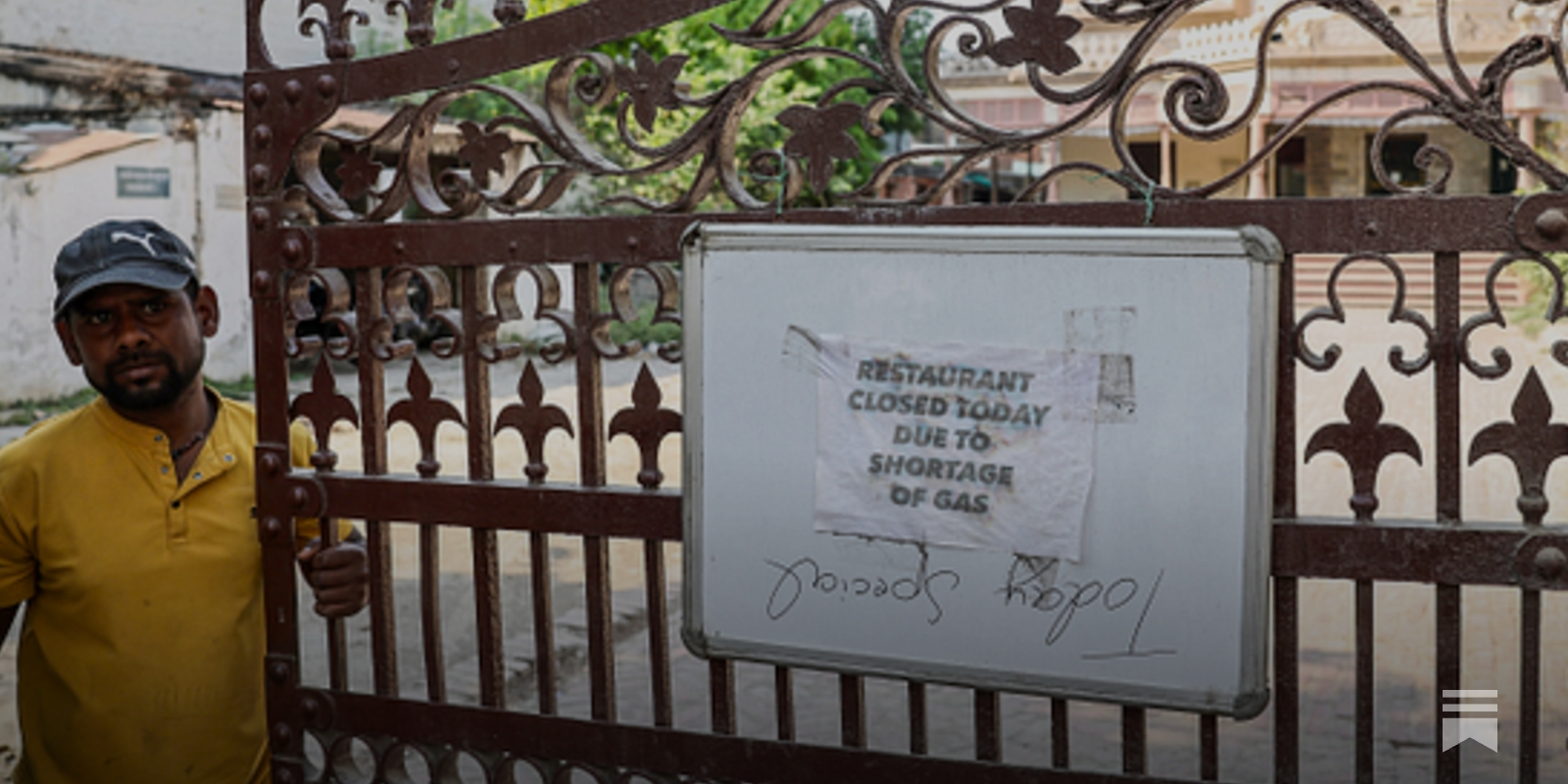
What comes next with the energy shock?
The disruption to oil supply, oil prices and the world economy has been surprisingly manageable so far

A Reality Check on Our ‘Energy Transition’ | The Tyee
To our peril, there’s been no green revolution. Just green addition to rising fossil fuel use.
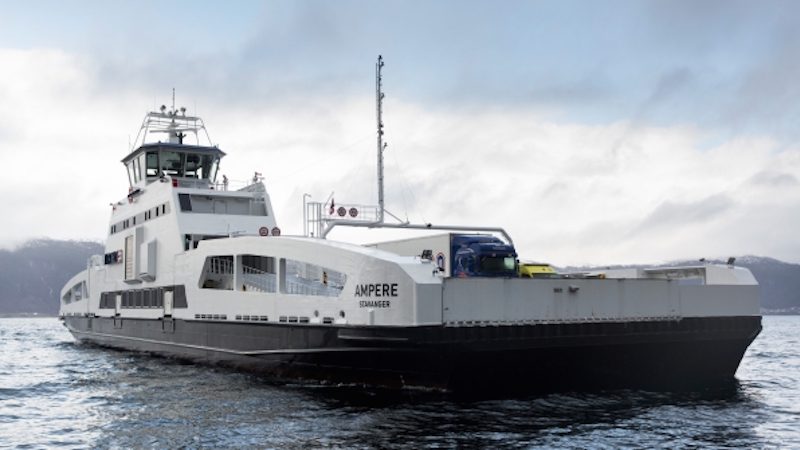
Going Green: Norwegian Shipbuilders Turning to Battery Power
By Mikael Holter and Jeremy Hodges (Bloomberg) — Not far from Norway’s North Sea oil rigs, shipbuilders are assembling some of the first ferry boats ever to be powered entirely...
Electrification | Ember
Electrification can refer to different processes depending on the context. For example, increasing electricity access in emerging economies. At Ember, we focus on a specific type of electrification: replacing fossil fuels with electricity in sectors like transport, heating and industry. This kind of electrification cuts emissions and improves energy efficiency by replacing fossil fuels with clean power.

Oil and Gas=Peril and Poverty/ Solar and Wind=Prosperity and Protection
2026 has changed the psychological meaning of energy forever
Finland’s radical answer to renewable energy’s biggest headache: The world’s largest sand battery
A small Finnish town has turned to the world's largest commercial sand battery to tackle a major hurdle in the energy transition: intermittency.

Energy Production and Consumption
Explore data on how energy production and use varies across the world.
The Impact of Digital Business on Energy Efficiency in EU Countries
Digital business plays a crucial role in driving energy efficiency and sustainability by enabling innovative solutions such as smart grid technologies, data analytics for energy optimization, and remote monitoring and control systems. Through digitalization, businesses can streamline processes, minimize energy waste, and make informed decisions that lead to more efficient resource utilization and reduced environmental impact. This paper aims at analyzing the character of digital business� impact on energy efficiency to outline the relevant instruments to unleash EU countries� potential for attaining sustainable development. The study applies the panel-corrected standard errors technique to check the effect of digital business on energy efficiency for the EU countries in 2011�2020. The findings show that digital business has a significant negative effect on energy intensity, implying that increased digital business leads to decreased energy intensity. Additionally, digital business practices positively contribute to reducing CO2 emissions and promoting renewable energy, although the impact on final energy consumption varies across different indicators. The findings underscore the significance of integrating digital business practices to improve energy efficiency, lower energy intensity, and advance the adoption of renewable energy sources within the EU. Policymakers and businesses should prioritize the adoption of digital technologies and e-commerce strategies to facilitate sustainable energy transitions and accomplish environmental objectives.

Breakthrough Energy | Home
Empowering innovators to build the future of energy
The shale revolution helped make America’s economy great
But will the country’s oil riches discourage a similar revolution in renewables?

China Is The World's First Electrostate - CleanTechnica
Carbon emissions in China fell slightly int he first quarter of 2025 as more renewable energy and storage came available.

Putting solar panels on land used for biofuels would produce enough electricity for all cars and trucks to go electric
The world dedicates a Poland-sized area of land to liquid biofuels. Is there a more efficient way to generate energy?
US data centers’ energy use amid the artificial intelligence boom
Data centers accounted for 4% of total U.S. electricity use in 2024. Their energy demand is expected to more than double by 2030.

