

Nuestra América Convoy
34 votes, 75 comments. Nuestra America Convoy is completely out touch with the reality in Cuba. I would have liked to feel grateful and positive that…
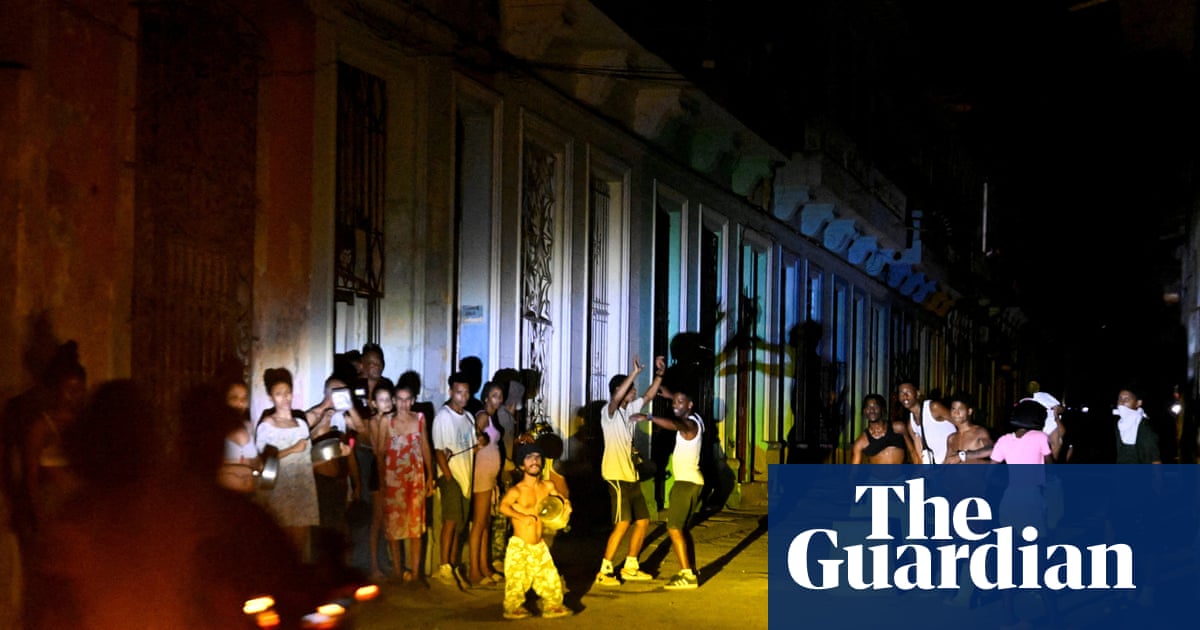
Cuba’s power grid collapses in third nationwide blackout amid US oil blockade
Network breakdowns compounded by daily blackouts of up to 12 hours caused by fuel shortages
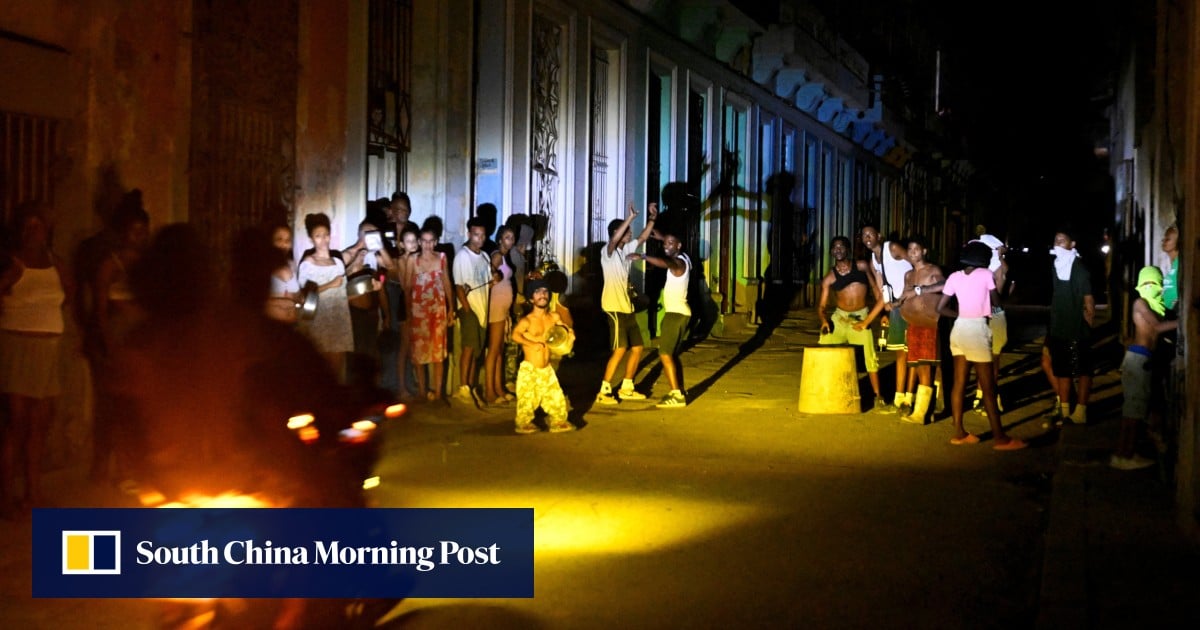
China to help Cuba with solar energy amid US oil blockade and total power outage
Beijing will ‘intensify its support’ to Havana after around 10.9 million people were left without power amid an ongoing energy crisis.
The Strongest Criticism of Socialism
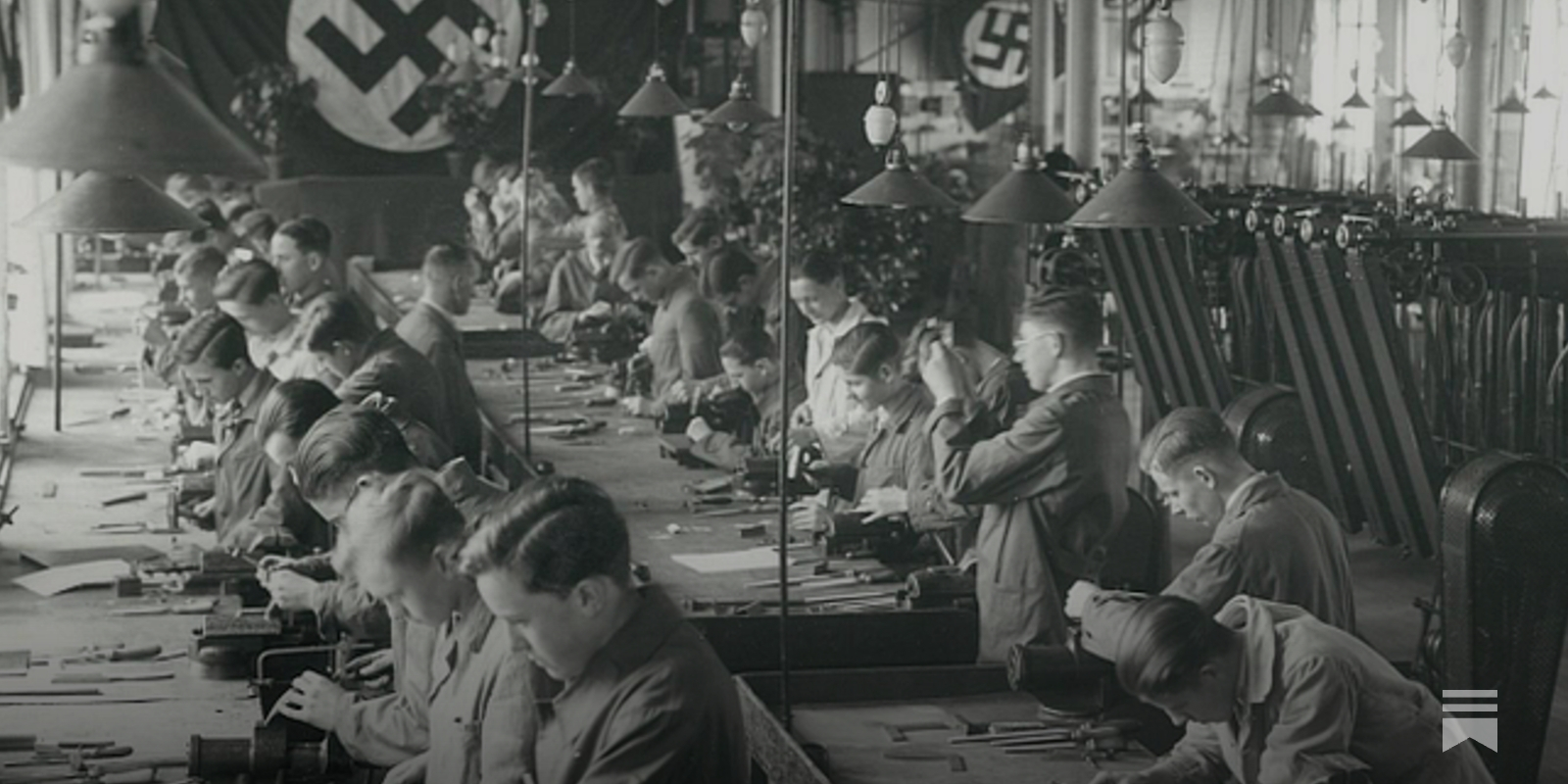
The most serious argument against socialism isn't about human nature, it's about economic possibilities. Let's dive into what Mises and Hayek have to say.

Yoani Sánchez responds to Convoy Nuestra América visiting Cuba: “Go engage in ideological tourism elsewhere.”
The Cuban journalist criticized those who visit the island to defend the government while ignoring the daily crisis faced by the population. The message comes amid the presence in Cuba of leftist activists and politicians linked to the Convoy Nuestra América. The reactions reflect a growing unease among citizens who reject the ideological exploitation of the Cuban crisis.

Poland is now among the world’s 20 largest economies. How it happened
Poland once was in economic ruins when communism fell more than three decades ago. Now it's the 20th largest economy in the world.

Venezuela: The Rise and Fall of a Petrostate
Introduction Venezuela, home to the world’s largest oil reserves, is a case study in the perils of becoming a petrostate. Since it was discovered in the country in the 1920s, oil has taken Venezuela on an exhilarating but dangerous boom-and-bust ride that offers lessons for other resource-rich states. Decades of poor governance have driven what was once one of Latin America’s most prosperous countries to economic and political ruin. In recent years, Venezuela has suffered economic collapse, with output shrinking significantly and rampant hyperinflation contributing to a scarcity of basic goods, such as food and medicine. Meanwhile, government mismanagement and U.S. sanctions have led to a drastic decline in oil production and severe underinvestment in the sector. Though Washington eased some sanctions on Venezuela’s oil and gas sector in 2023, signaling a potential détente, Caracas’s failure to meet conditions for a fair election prompted the U.S. government to reimpose sanctions in 2024. What is a petrostate? Petrostate is an informal term used to describe a country with several interrelated attributes: government income is deeply reliant on the export of oil and natural gas, economic and political power are highly concentrated in an elite minority, and political institutions are weak and unaccountable, and corruption is widespread. Countries often described as petrostates include Algeria, Cameroon, Chad, Ecuador, Indonesia, Iran, Kazakhstan, Libya, Mexico, Nigeria, Oman, Qatar, Russia, Saudi Arabia, the United Arab Emirates, and Venezuela. What’s behind the petrostate paradigm? Petrostates are thought to be vulnerable to what economists call Dutch disease, a term coined during the 1970s after the Netherlands discovered natural gas in the North Sea. In an afflicted country, a resource boom attracts large inflows of foreign capital, which leads to an appreciation of the local currency and a boost for imports that are now comparatively cheaper. This sucks labor and capital away from other sectors of the economy, such as agriculture and manufacturing, which economists say are more important for growth and competitiveness. As these labor-intensive export industries lag, unemployment could rise, and the country could develop an unhealthy dependence on the export of natural resources. In extreme cases, a petrostate forgoes local oil production and instead derives most of its oil wealth through high taxes on foreign drillers. Petrostate economies are then left highly vulnerable to unpredictable swings in global energy prices and capital flight. The so-called resource curse also takes a toll on governance. Since petrostates depend more on export income and less on taxes, there are often weak ties between the government and its citizens. Timing of the resource boom can exacerbate the problem. “Most petrostates became dependent on petroleum while, or immediately after, they were establishing a democracy, state institutions, an independent civil service and private sector, and rule of law,” says Terry Lynn Karl, a professor of political science at Stanford University and author of The Paradox of Plenty, a seminal book on the dynamics of petrostates. Leaders can use the country’s resource wealth to repress or co-opt political opposition. How does Venezuela fit the category? Venezuela is the archetype of a failed petrostate, experts say. Oil continues to play the dominant role in the country’s fortunes more than a century after it was discovered there. The oil price plunge from more than $100 per barrel in 2014 to under $30 per barrel in early 2016 sent Venezuela into an economic and political spiral, and despite rising prices since then, conditions remain bleak. A number of grim indicators tell the story: Oil dependence. In recent years, oil exports have financed almost two-thirds of the government’s budget. Estimates for 2024 place this figure slightly lower, at 58 percent. Falling production. Starved of adequate investment and maintenance, oil output has continued to generally decline, hitting its lowest level in decades. However, exports increased by some 12 percent in 2023, due in part to an easing of U.S. sanctions on the country’s oil and gas sector. Turbulent economy. Venezuela’s gross domestic product (GDP) shrank by roughly three-quarters [PDF] between 2014 and 2021. However, the economy grew by 5 percent in 2023, and the government forecasts it will reach 8 percent in 2024. Soaring debt. Venezuela has an estimated debt burden of $150 billion or higher. Hyperinflation. Annual inflation skyrocketed to just over 130,000 percent in 2018, and though it has since slowed, it remained at 190 percent in 2023, according to the central bank. !function(){"use strict";window.addEventListener("message",(function(a){if(void 0!==a.data["datawrapper-height"]){var e=document.querySelectorAll("iframe");for(var t in a.data["datawrapper-height"])for(var r=0;r

Leadership fails, leadership failures, leaders fail
Leadership fails because leaders fail to connect with each team member in a meaningful way. Leadership failures can have a profound effect on the company.

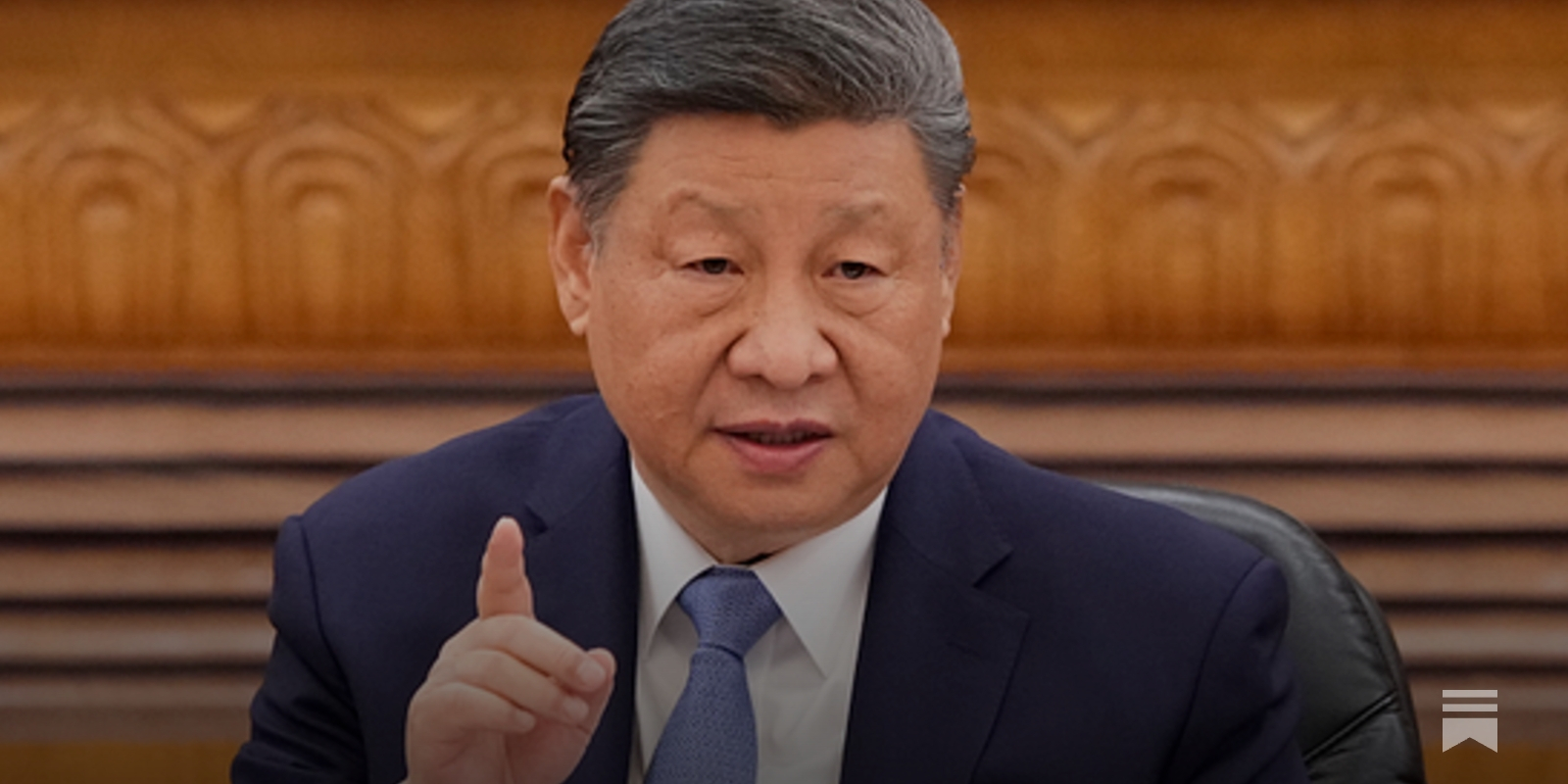
The Myth of Authoritarian Efficiency
When it comes to getting stuff done, democracies win every time.
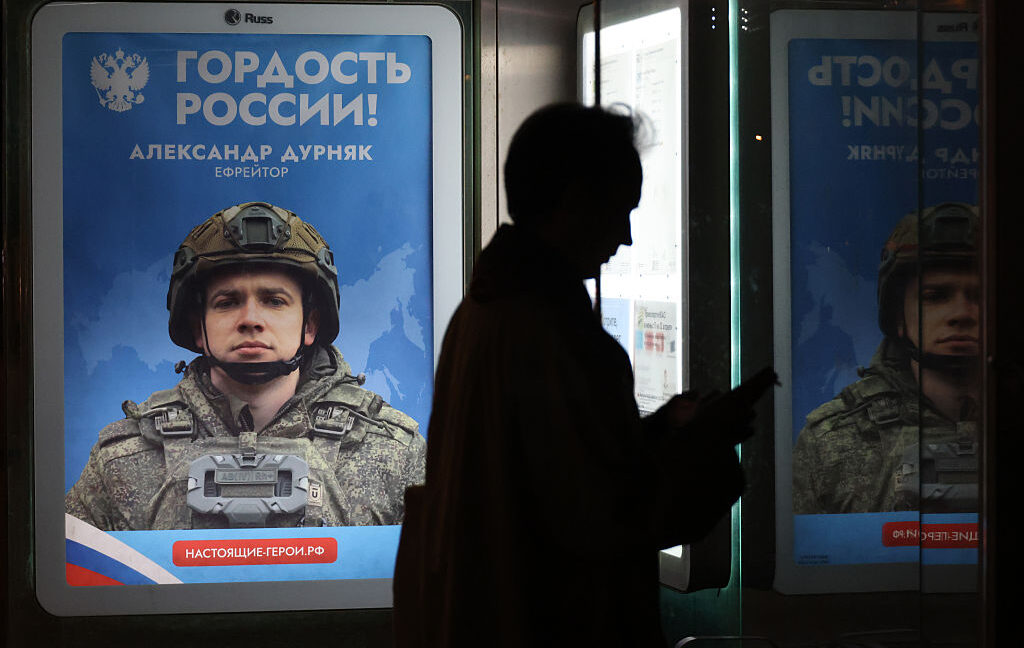
These LLMs are the best at resisting Russian propaganda
Estonian government benchmark shows how dozens of models combat Russia's "strategic narratives."
Venezuela misinformation spreads like wildfire online
The right clearly get that people aren't happy about what Trump did in Venezuela. So, they're pumping out misinformation and AI slop

My ambition with @tiles.run is to build a decentralized stack that creates an impact as profound as Cuba’s. Learn more about Cuban decentralized internet in this Vox documentary: youtube.com/watch?v=fTTno8D-b2E

This is Cuba's Netflix, Hulu, and Spotify – all without the internet
www.youtube.com

