

Tech moguls Altman, Bezos and Zuckerberg donate to Trump's inauguration fund
The donations are seen as the latest example of tech moguls' changing stance toward the incoming president. During his first administration, Trump clashed with Bezos and Zuckerberg.

Who Pays For Your Rewards? Redistribution in the Credit Card Market
The Federal Reserve Board of Governors in Washington DC.
Sasse’s spending spree: Former UF president channeled millions to GOP allies, secretive contracts - The Independent Florida Alligator
In his 17-month stint as UF president, Ben Sasse more than tripled his office’s spending, directing millions in university funds into secretive consulting contracts and high-paying positions for his GOP allies.

Spending deal comes with a bonus: Blocking political control of grants
Congress pauses the OMB's attempt to rewrite how research is funded.
Anthropic partners with the Gates Foundation
Anthropic is partnering with the Gates Foundation to commit $200 million in grant funding, Claude usage credits, and technical support for programs in global health, life sciences, education, and economic mobility over the next four years.
Can Money Serve Life? How to Fund Communities Doing the Real Work with Matthew Monahan
The Paradox of Redistribution and Strategies of Equality: Welfare State Institutions, Inequality, and Poverty in the Western Countries
Debates on how to reduce poverty and inequality have focused on two controversial questions: Should social policies be targeted to low-income groups or be universal? Should benefits be equal for all or earnings-related? Traditional arguments in favor of targeting and flat-rate benefits, focusing on the distribution of the money actually transferred, neglect three policy-relevant considerations: (1) The size of redistributive budgets is not fixed but reflects the structure of welfare state institutions. (2) A trade-off exists between the degree of low-income targeting and the size of redistributive budgets. (3) Outcomes of market-based distribution are often more unequal than those of earnings-related social insurance programs. We argue that social insurance institutions are of central importance for redistributive outcomes. Using new data, our comparative analyses of the effects of different institutional types of welfare states on poverty and inequality indicate that institutional differences lead to unexpected outcomes and generate the paradox of redistribution: The more we target benefits at the poor and the more concerned we are with creating equality via equal public transfers to all, the less likely we are to reduce poverty and inequality.
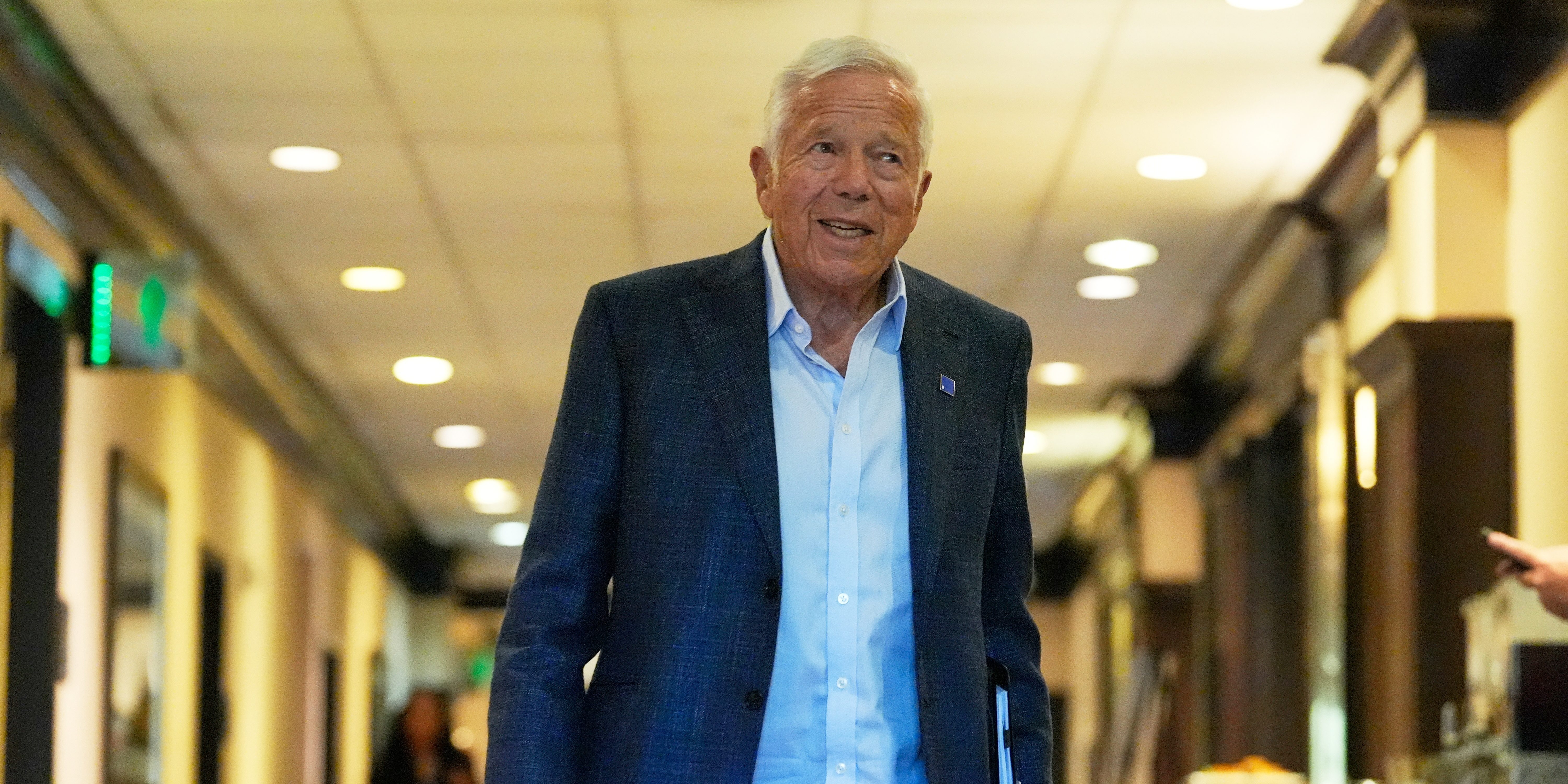
Robert Kraft Claims His Donations Help Palestinians. Turns Out He’s Funding Friends of the IDF.
An analysis of tax forms by The Intercept show Kraft’s charity and LLC have donated to Friends of the IDF and AIPAC’s super PAC.
Rutger Bregman - “Moral Ambition” | The Daily Show
One State Found a Way to Make Billionaires Pay. Your State Could Be Next.
Qui paie les droits de douane de l’administration Trump ?
Traduction française du billet de blog "Who pays for tariffs? Insights from recent research" de Kimberly Clausing & Maurice Obstfeld (PIIE)

It’s Not Just Elon Musk — These Billionaires Are Also Neurodivergent
Some billionaires say their conditions helped them succeed in business.

Volunteering, Nonprofit Jobs, and Community
Find volunteer opportunities, nonprofit jobs, social-impact opportunities and more on the Idealist platform.

The American Dream Starts Now
Trump Accounts provide eligible American children with tax-advantaged investment accounts courtesy of President Donald J. Trump.

Fraud Investigation Lessons From Finance
Social programs shouldn't have to pay tuition to fraudsters; finance has already. Here's what we've learned.

Elon Musk's only profitable company, Tesla, has created a cumulative grand total net income of $34 billion in its more than 20 years of existence. That's less than the total amount of US federal subsidies his empire has collectively received. The economics of Elon Musk are as bad as the politics.

Drew Harwell
Elon Musk, who has said the beneficiaries of federal spending are a "parasite class," runs businesses that have pocketed $38 billion in taxpayer-funded subsidies, loans and contracts washingtonpost.com/technology/interactive/2025/e…

