

My Thoughts on AI, Part 2: Agent Setup, Workflow, and Tools
My own personal AI development setup, workflow, and tooling

Good design hasn’t changed with AI — John Pham, SF Compute
My Thoughts on AI, Part 1: Fears, Opinions, and Mental Journey
My own personal thoughts and opinions on AI effects and usage, and how those have evolved over time
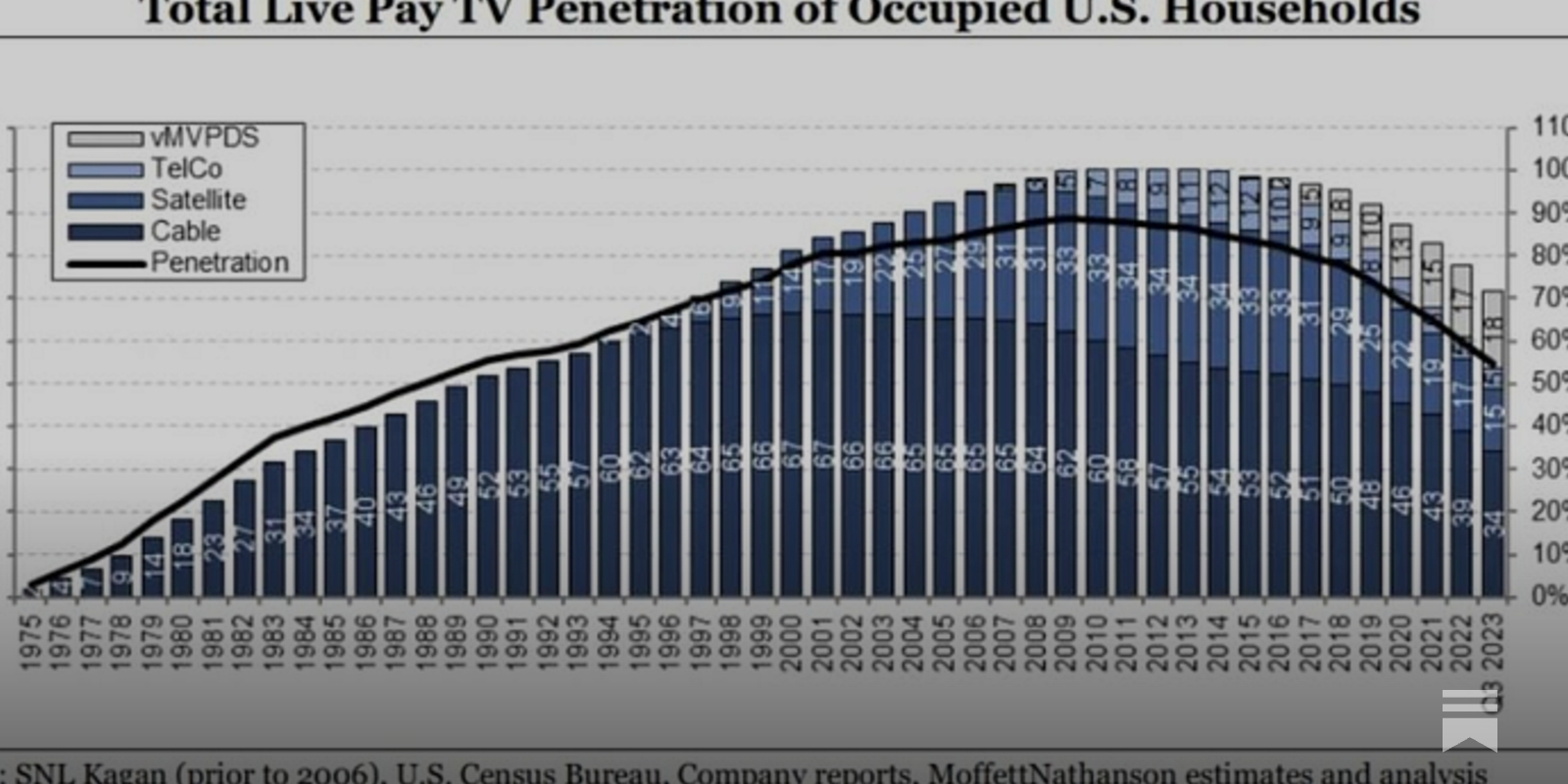
AI is Creating Peak Software, Media is the Best Analogy
Let's learn more about the world's most important manufactured product. Meaningful insight, timely analysis, and an occasional investment idea.
We build AI that works for humans
Imbue builds AI to help people think, create, and build. We share our tools openly because we believe progress in AI should be collaborative and developer-driven

X : What are you interested in? Me : Wow, that varies constantly. Right now? There are a number of topics that I'm actively pursuing … a) When we talk about software engineering we typically think… | Simon Wardley
X : What are you interested in? Me : Wow, that varies constantly. Right now? There are a number of topics that I'm actively pursuing … a) When we talk about software engineering we typically think about the active part of creating code but software development is currently practised as a craft not an engineering discipline. The only engineering discipline in software engineering is testing. This creates a flaw in the comparison with using AI to code because development itself has never been optimised. If all we have to do is write code and we can automate that part then we can just replace those expensive typists with LLMs but development should be, and has the capability to become an engineering discipline. It's just not that for now. https://lnkd.in/eSRprhbf b) Most people talking digital sovereignty are doing so with good intentions but they literally have no idea what they are talking about. This is not because they are daft or foolish but because they cannot see the environment they are talking about. They are like generals talking about territorial sovereignty with no idea of what territory is or how you represent it. https://lnkd.in/eku2X_Ea c) Architectural decisions are made in code and not in the diagrams we create. Those architectural diagrams are more like prompts, wishes and beliefs of what a system should be but rarely reflect the actual system. This creates additional problems when the real architectural decisions are made by coders but coding itself is a craft not an engineering discipline. d) The current crop of LLMs / LMMs are driving us towards a new theocracy. We can counter this through diversity, critical thinking and open approaches but that does mean we have to get to the point of all symbolic instructions being open. That includes the training data. Copyright is a distraction from the real issue that we don't know what the systems are being trained on. Guardrails are a post event kludge. https://lnkd.in/exJVmNvD e) The medium we use in conversational programming environments such as cursor and lovable (or what we call vibe coding when not looking at the code or Software Engineering + AI when looking at the code) appear to be flawed. We are focused on text not images. The change of medium changes the conversation, the corollary is the conversation we have around the screen and the one we have around the whiteboard. Same problem, different medium, different discussion. https://lnkd.in/e_W6b6z3 f) "Value" in consulting land is mostly theatre rather than something meaningful. There are many forms of value but often we fail to identify this, quantify it or even measure it. https://lnkd.in/eeNbR_VY g) Rewilding Software Engineering. To change software development into an engineering practice, we need to introduce two wolves - one that software engineering is a decision making process and secondly that we need to build tools for problems we are facing - https://lnkd.in/epyUnqgh

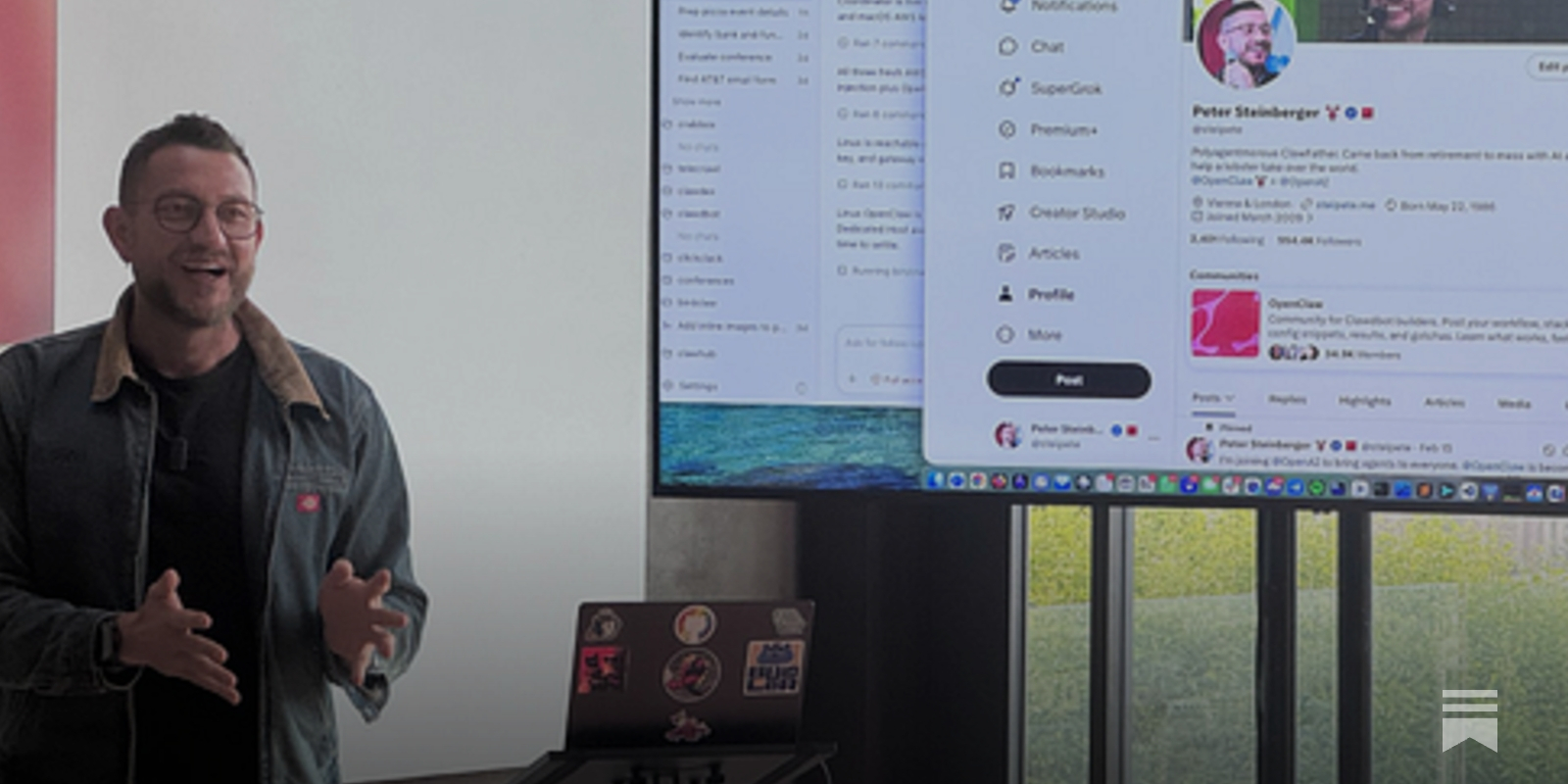
Impressions from visiting OpenAI, Anthropic, & Cursor
A peek into where software engineering is headed from inside the sector’s leading AI labs. Agents running in the cloud are a major trend, while coding harnesses are spreading beyond the craft
How much of a UX designer’s job can AI really do? Here’s my day…
I don't think AI will make your processes go faster
Explore the delirious rantings of Frederick Vanbrabant. A blog focused on the intersection of Enterprise Architecture, product, and business strategy.

AI | 2025 Stack Overflow Developer Survey
84% of respondents are using or planning to use AI tools in their development process, an increase over last year (76%). This year we can see 51% of professional developers use AI tools daily.
AI, I tried to love you – Writings and rehearsals by Nathan Schneider
Among my peers who study the cultures and economies surrounding technology, I often find myself more tech-positive than most. On the whole I like computers, like the internet, and like in general the emergent human creativity that these things have enabled and revealed. A source of my appreciation is that I expend a lot of effort on the practice of “slow computing,” which is to say, choosing tools and technical communities that I can feel in right relationship with. I tend to approach new socio-technologies (like gig economies, blockchains, and social media) not from a perspective of why is this so bad? so much as asking how could we do this right?
Amelia Wattenberger
I create things on the web, explore novel interfaces, turn data into meaning, and empower devs with AI.
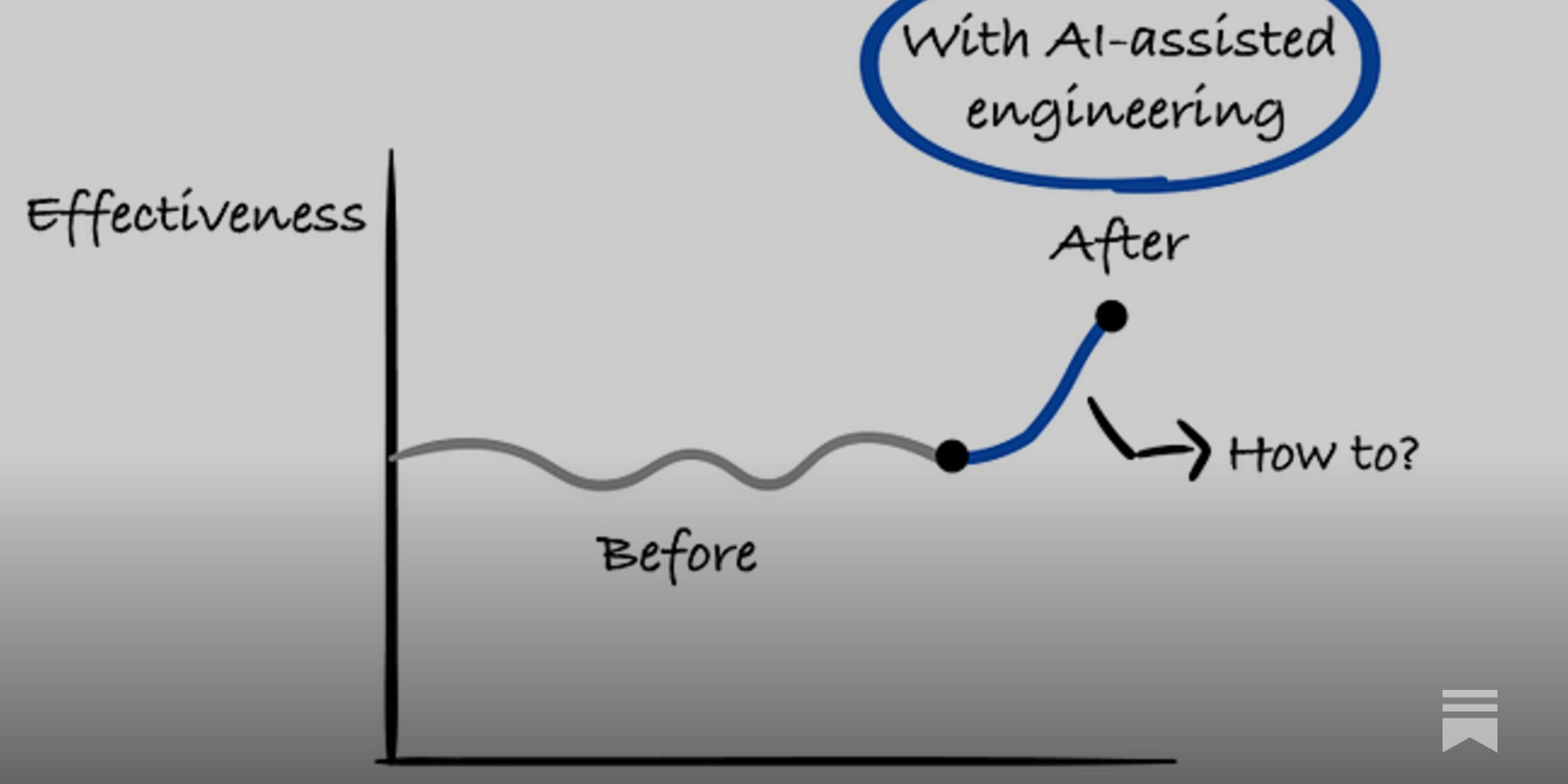
How to Do AI-Assisted Engineering
15 experienced engineers and engineering leaders share their real-world experiences with AI-assisted engineering.
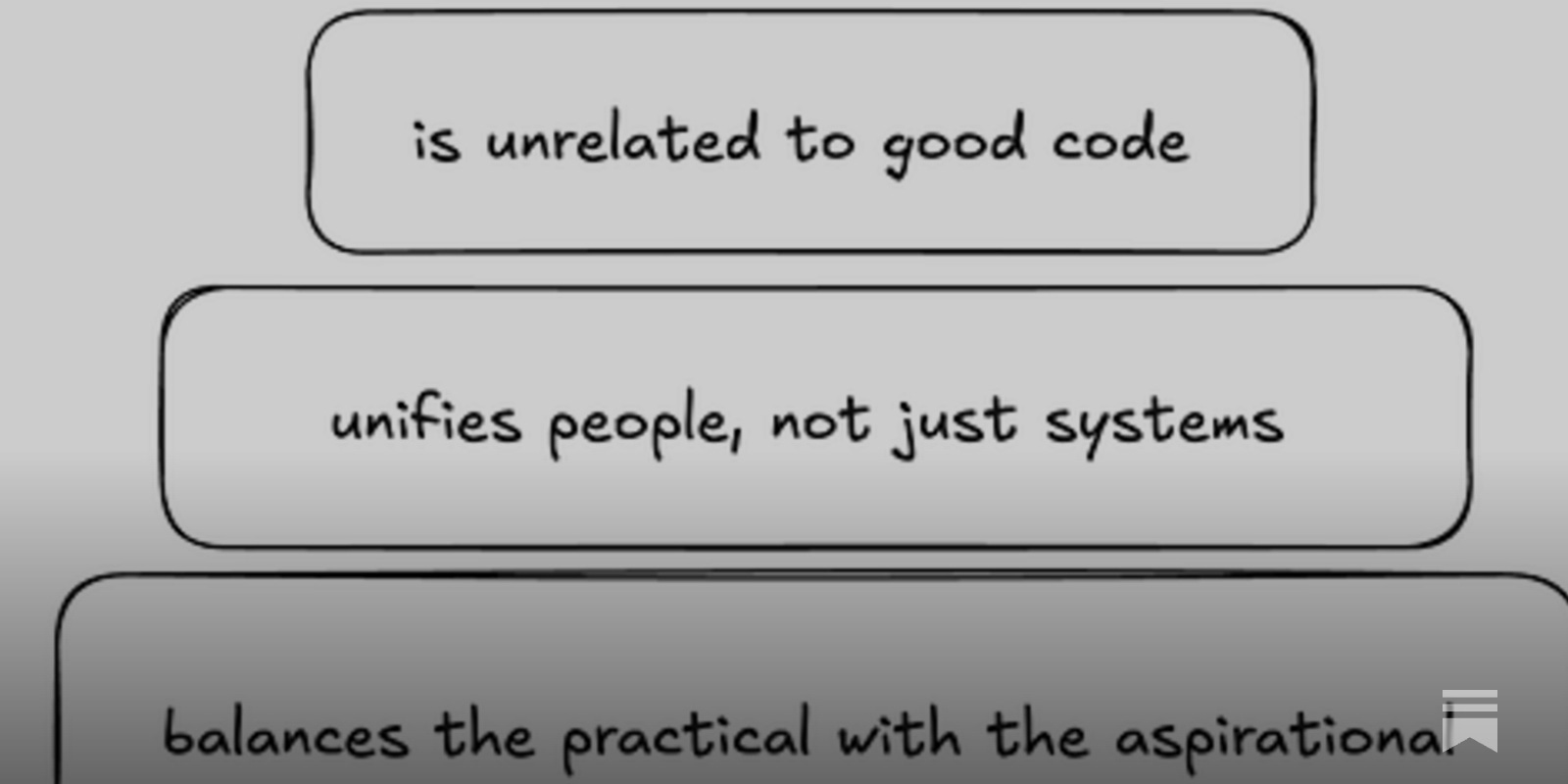
What is good software architecture?
What good architecture looks like, how to improve your skill at building it –and why Architects are not always the answer. Guest post by Matthew Hawthorne, who built large systems at Netflix & Twitter
Human-Centered Artificial Intelligence: Three Fresh Ideas
Human-Centered AI (HCAI) is a promising direction for designing AI systems that support human self-efficacy, promote creativity, clarify responsibility, and facilitate social participation. These human aspirations also encourage consideration of privacy, security, environmental protection, social justice, and human rights. This commentary reverses the current emphasis on algorithms and AI methods, by putting humans at the center of systems design thinking, in effect, a second Copernican Revolution. It offers three ideas: (1) a two-dimensional HCAI framework, which shows how it is possible to have both high levels of human control AND high levels of automation, (2) a shift from emulating humans to empowering people with a plea to shift language, imagery, and metaphors away from portrayals of intelligent autonomous teammates towards descriptions of powerful tool-like appliances and tele-operated devices, and (3) a three-level governance structure that describes how software engineering teams can develop more reliable systems, how managers can emphasize a safety culture across an organization, and how industry-wide certification can promote trustworthy HCAI systems. These ideas will be challenged by some, refined by others, extended to accommodate new technologies, and validated with quantitative and qualitative research. They offer a reframe -- a chance to restart design discussions for products and services -- which could bring greater benefits to individuals, families, communities, businesses, and society.
