

FBI Whistleblower Says Emil Bove Directed Agents To Investigate Anti-ICE Protesters
Hey, this guy is a judge now! Let that seep in for a bit. Emil Bove used to work for the DOJ. Then he went to work for Trump, acting as his personal lawyer starting in 2023. Upon Trump’s retu…

DOJ Using Gang, Terrorist Prosecutors To Ensure People Opposed To Trump Are Treated Like Gang Members, Terrorists
The authoritarianism has been out in the open pretty much since day one with this presidency. Things that leak out around the edges — unaccompanied by official statements, announcements, or r…
Does Predictive Policing Lead to Biased Arrests? Results From a Randomized Controlled Trial
Racial bias in predictive policing algorithms has been the focus of a number of recent news articles, statements of concern by several national organizations (e.g., the ACLU and NAACP), and simulat...
Does Predictive Policing Lead to Biased Arrests? Results From a Randomized Controlled Trial
Racial bias in predictive policing algorithms has been the focus of a number of recent news articles, statements of concern by several national organizations (e.g., the ACLU and NAACP), and simulat...
Trump wants to prosecute anti-fascists as terrorists. This Texas trial will test his power.
A July 4 shooting at an ICE detention center could change the way the federal government prosecutes activists.

DOJ Withdraws NY Times Subpoenas After Judge Notices It Never Bothered To Follow The Rules For Subpoenaing Reporters
Just last week we had the story of the Trump DOJ issuing very questionable subpoenas of NY Times journalists while trying to track down who leaked information to those reporters regarding the poten…
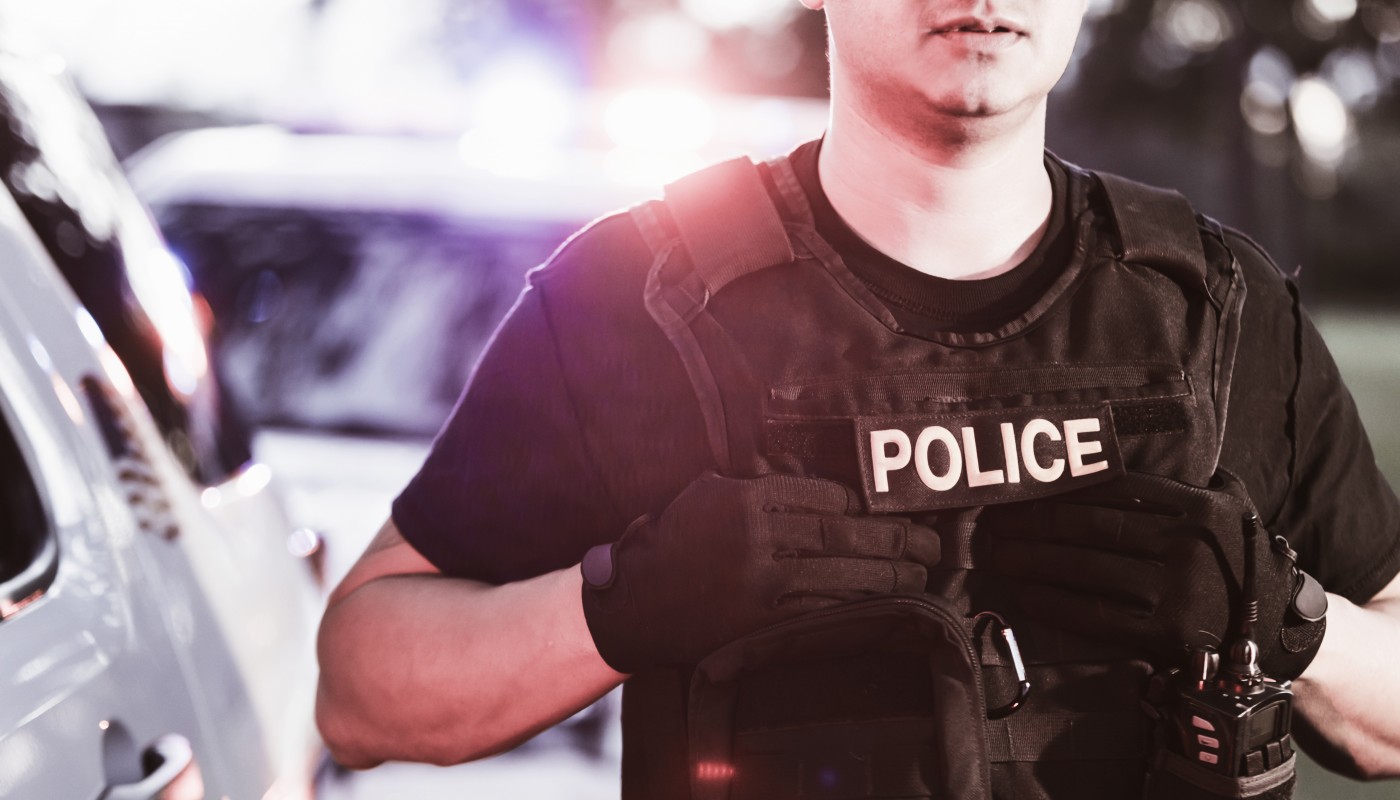
Predictive Policing Explained
Attempts to forecast crime with algorithmic techniques could reinforce existing racial biases in the criminal justice system.
Adequate indigent defense should be a top priority
This past weekend, I published a story for The Commonwealth assessing Mississippi’s 23 circuit court districts’ indigent defense plans — that is how each of those courts provides lawyers to indigent, or poor, criminal defendants charged with a felony who can’t afford their own counsel.
Artificial Intelligence, Predictive Policing, and Risk Assessment for Law Enforcement
There are widespread concerns about the use of artificial intelligence in law enforcement. Predictive policing and risk assessment are salient examples. Worries include the accuracy of forecasts that guide both activities, the prospect of bias, and an apparent lack of operational transparency. Nearly breathless media coverage of artificial intelligence helps shape the narrative. In this review, we address these issues by first unpacking depictions of artificial intelligence. Its use in predictive policing to forecast crimes in time and space is largely an exercise in spatial statistics that in principle can make policing more effective and more surgical. Its use in criminal justice risk assessment to forecast who will commit crimes is largely an exercise in adaptive, nonparametric regression. It can in principle allow law enforcement agencies to better provide for public safety with the least restrictive means necessary, which can mean far less use of incarceration. None of this is mysterious. Nevertheless, concerns about accuracy, fairness, and transparency are real, and there are tradeoffs between them for which there can be no technical fix. You can't have it all. Solutions will be found through political and legislative processes achieving an acceptable balance between competing priorities.

Artificial Intelligence, Predictive Policing, and Risk Assessment for Law Enforcement
There are widespread concerns about the use of artificial intelligence in law enforcement. Predictive policing and risk assessment are salient examples. Worries include the accuracy of forecasts that guide both activities, the prospect of bias, and an apparent lack of operational transparency. Nearly breathless media coverage of artificial intelligence helps shape the narrative. In this review, we address these issues by first unpacking depictions of artificial intelligence. Its use in predictive policing to forecast crimes in time and space is largely an exercise in spatial statistics that in principle can make policing more effective and more surgical. Its use in criminal justice risk assessment to forecast who will commit crimes is largely an exercise in adaptive, nonparametric regression. It can in principle allow law enforcement agencies to better provide for public safety with the least restrictive means necessary, which can mean far less use of incarceration. None of this is mysterious. Nevertheless, concerns about accuracy, fairness, and transparency are real, and there are tradeoffs between them for which there can be no technical fix. You can't have it all. Solutions will be found through political and legislative processes achieving an acceptable balance between competing priorities.
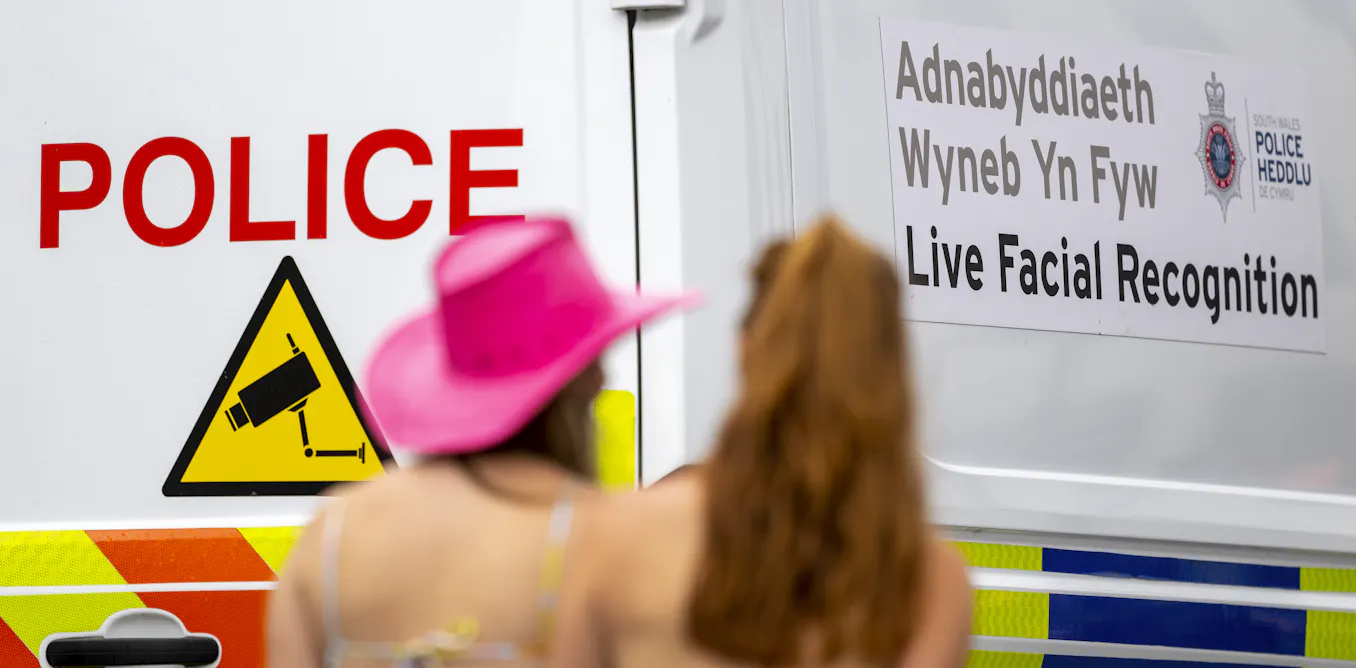
How AI can lead to false arrests and wrongful convictions
Danger arises when law enforcement believes that AI models are retrieving certainties rather than generating likelihoods.
How AI can lead to false arrests and wrongful convictions
Danger arises when law enforcement believes that AI models are retrieving certainties rather than generating likelihoods.
Opinion | Where Trump Is Vulnerable and How to Act on It
People and institutions of civil society must coordinate against him.

Pluralistic: The worst possible antitrust outcome (03 Sep 2025) – Pluralistic: Daily links from Cory Doctorow
Last year, Google lost an antitrust case to Biden's DoJ. The DoJ lawyers beat Google like a drum, proving beyond a shadow of a doubt that Google had deliberately sought to create and maintain a monopoly over search, and that they'd used that monopoly to make search materially worse, while locking competitors out of the market.
The LA Times’ AI ‘bias meter’ looks like a bid to please Donald Trump | Margaret Sullivan
The paper’s billionaire owner, who barred it from endorsing Kamala Harris, is leaving human journalists out of the equation
New reporting says Don Jr. directly facilitated the pardon of a crypto whale who had promoted the Trump's family crypto. Jr. brought the pardon lawyer to the White House, and introduced him directly to his Dad. Pardon occurred right after. donmoynihan.substack.com/p/pardon-the-insane-corruptio…

