The real AI battle isn't about who has the best model—it's about who controls your context. I just published a piece on why keeping these layers separate is the most important design decision of the AI era: techdirt.com/2025/06/16/why-centralized-ai…

Why Centralized AI Is Not Our Inevitable Future
www.techdirt.comJun 16, 2025 at 8:37 PM
Alex Komoroske on Twitter / X
The real AI battle isn't about who has the best model—it's about who controls your context. I just published a piece on why keeping these layers separate is the most important design decision of the AI era: https://t.co/6bljxg7KIt— Alex Komoroske (@komorama) June 16, 2025
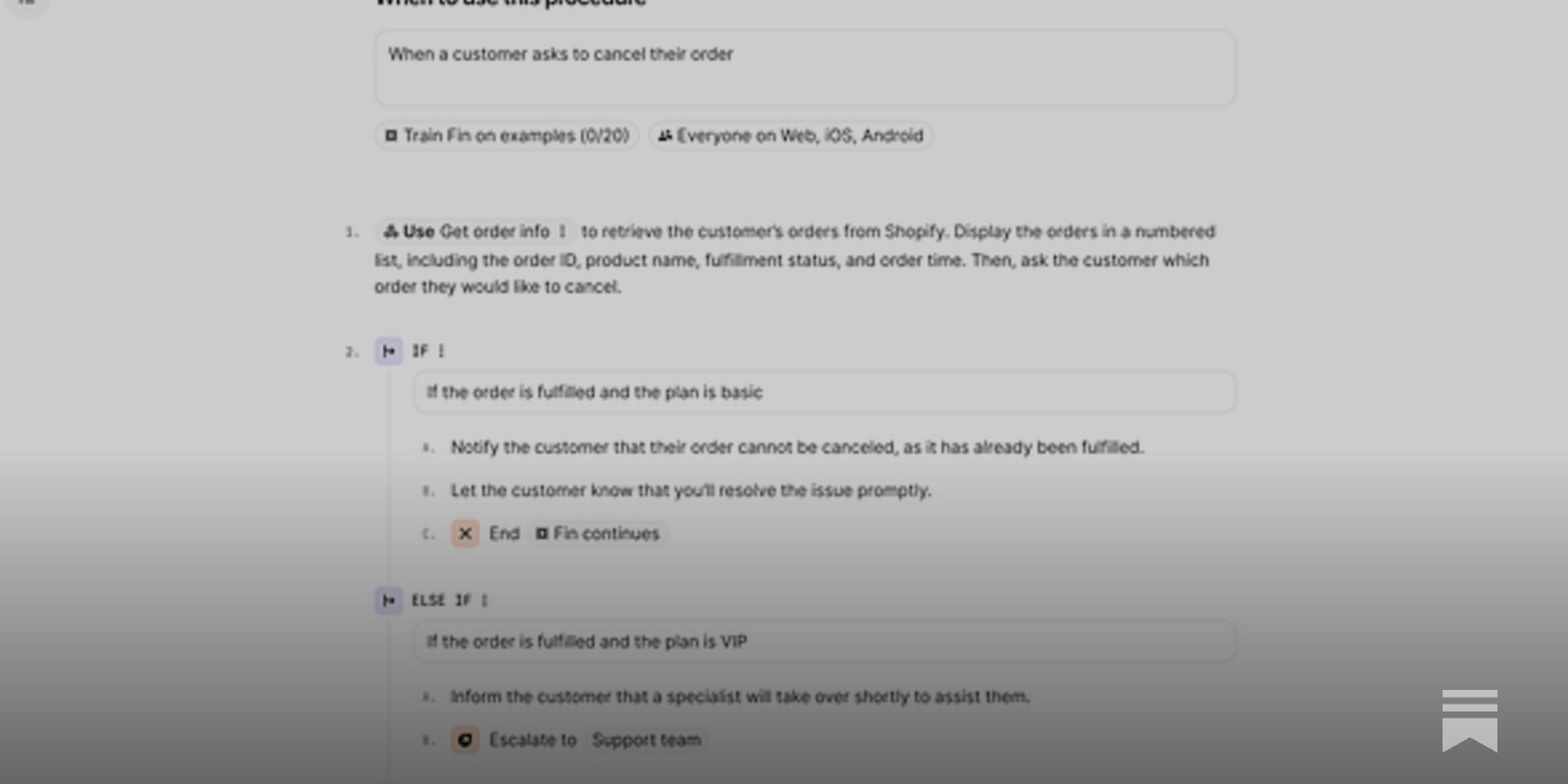
A tale of two Agent Builders
What two competing solutions to the same design problem tell about the future of designing AI interfaces.
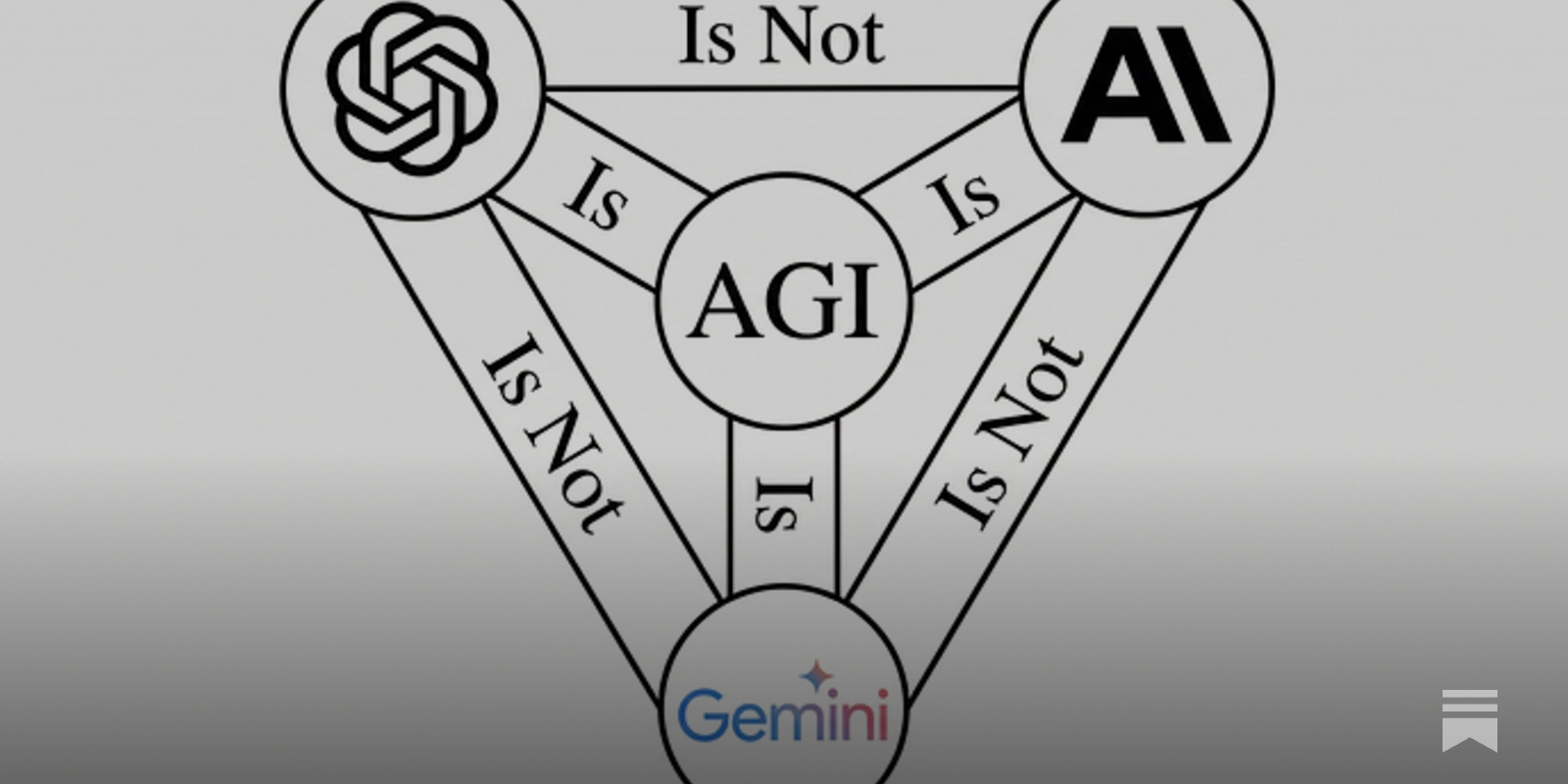
How the world's top AI models were revived
The personality clashes and industry confusion behind the 20-day saga.

Angels-on-the-Shoulder: 5 AI Tools for Better Decisions
Five “angels-on-the-shoulder” AI designs that help people make better decisions.
My Thoughts on AI | Jack Conte
Hey creators! I’ve been thinking a lot about AI over the last year, but I’ve mostly been speaking about it in little short form clips and in
Why the AI Policy Debate Should Focus More on the Harness and Protocol Layers
A conversation with Raffi Krikorian, CTO of Mozilla and author of the newsletter Owners Not Renters.

The AI Model That Was Too Dangerous to Release: Meet Claude Mythos
Anthropic just built the most powerful AI in history. Then decided the world wasn’t ready for it. Here’s everything you need to know.
Adversarial Communication
“AI” turns every conversation into a fight, because fighting is what they are good at.

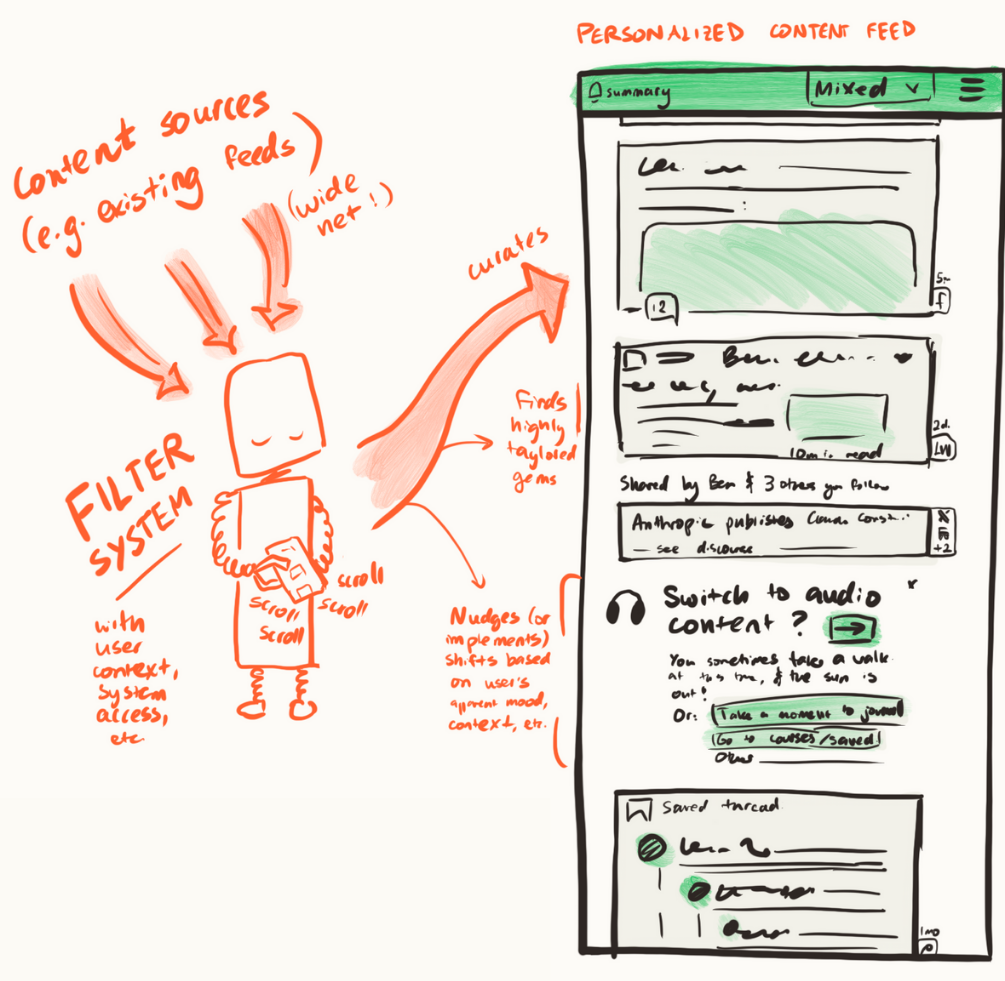
Personal vs. Personalized AI
Personal AI is personal. It isn’t personalized. Context: There is a war going on. Humanity and nature are on one side, and Big Tech is on the other. The two sides are not opposed. They are or…

Don't treat surface-level metaphors about AI as if they describe fundamental reality
Debates about whether AI is a “tool” or whether it’s wrong to “anthropomorphize” it often seem confused about what reality is made of

Ali Alkhatib: Defining AI
The main issue I have with a lot of work that tries to define AI is that the criteria they use to draw boundaries often turn out to be functionally useless for my needs; these definitions lead us to weird places, letting scholars fixate on strange, unworkable frameworks. Those pedantic fixations don’t really benefit the organizers, activists, regular people who are getting crushed by the systems they’re trying to work against. So I’m going to try to unpack how I think about AI; how I trace the boundaries of the term in a way that’s as useful as possible for me and my needs; and how I would encourage you to scope or define ideas that are important to your work.
The AI Industry Has a Major Problem: Most People Aren’t Freaks Who Want an AI Agent Running Their Whole Life
There's a problem for AI agents like Meta's Muse: ordinary people don't seem very interested in what they're offering.