

A Data Utopia for Science-of-Science
Here I want to briefly sketch out a vision for how to solve a key set of problems facing science-of-science researchers, using the relatively new idea of a ‘data trust.’ In my ideal wor…

Why we don’t really know what the public thinks about science
Measuring trust isn’t enough. Furthering knowledge about the institutions and norms of science is the best way to build credibility.

FAIR Principles - GO FAIR
In 2016, the ‘FAIR Guiding Principles for scientific data management and stewardship’ were published in Scientific Data. The authors intended to provide guidelines to improve the Findability, Accessibility, Interoperability, and Reuse of digital assets. The principles emphasise machine-actionability (i.e., the capacity of… Continue reading →

Governing by dismantling: tech oligarchy and the stifling of public data infrastructure
Published in Science as Culture (Ahead of Print, 2026)

Nature is expanding Registered Reports to all the fields in which we publish
Registered Reports improve the credibility of scientific claims by rewarding big questions, sound methods and solid analyses. They need to become a standard tool in research.

Scientific sleuths come in from the cold
Research integrity investigators are starting to organize, but the field, and the people, remain idiosyncratic

Ground the model, or it invents the evidence
Trusted, curated, subject-specific models are needed for academia
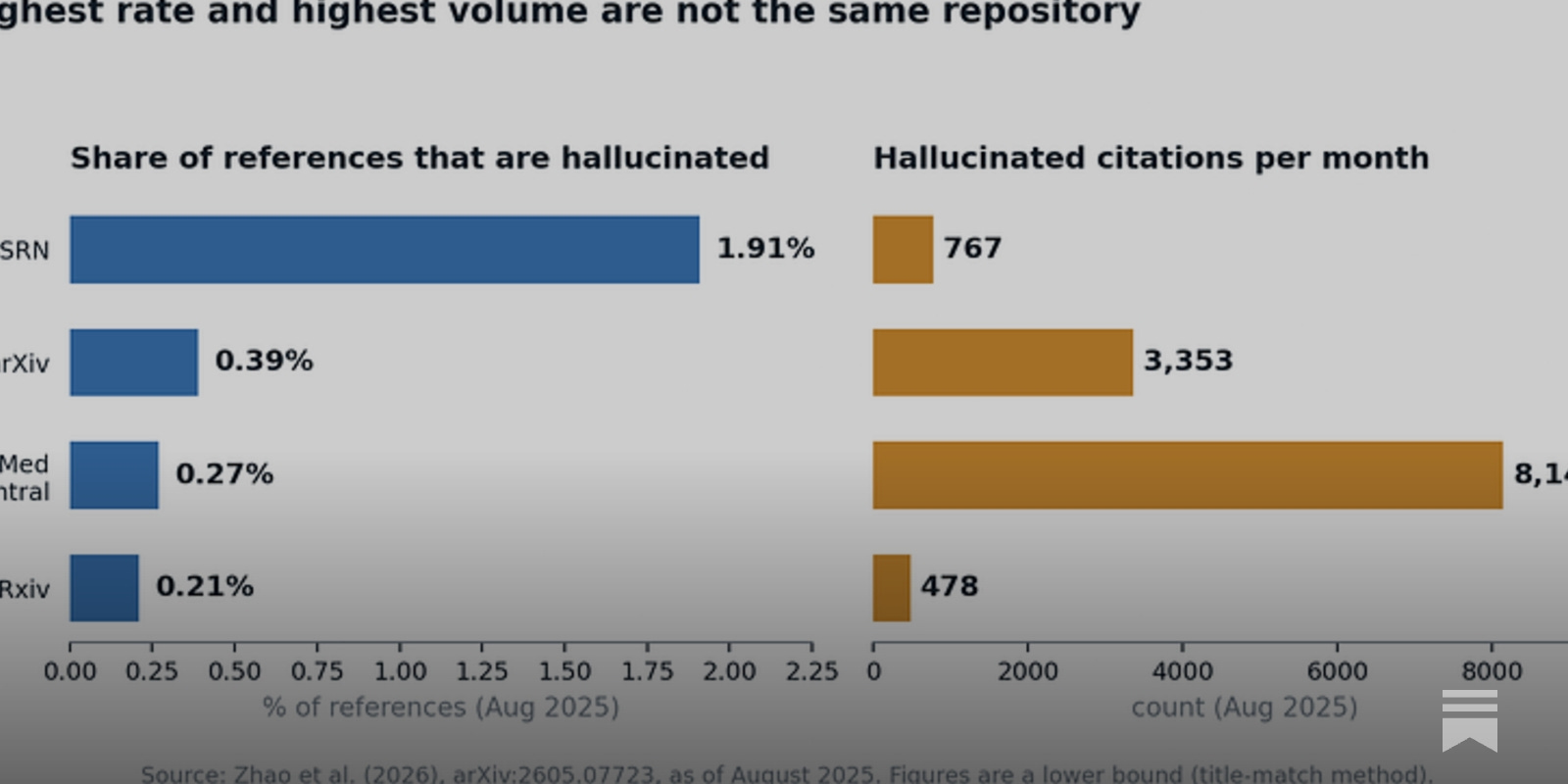
Managing scientific knowledge for policy on the ATmosphere - Mathew's newsletter
Two types of Atmosphere toolkit are needed if ATScience is to help scientists do science and better communicate it to other audiences: one serving the researchers and their teams, the other focused on aggregation and synthesis.
No. 017: Science EIC contra AI hype, data poisoning of research agents, Vancouver Standard for AI disclosure - The Hallway Track
The Hallway Track No. 017 - How AI is affecting the practice of science
Research ethics: 3 ways to blow the whistle
Reporting suspicions of scientific fraud is rarely easy, but some paths are more effective than others.

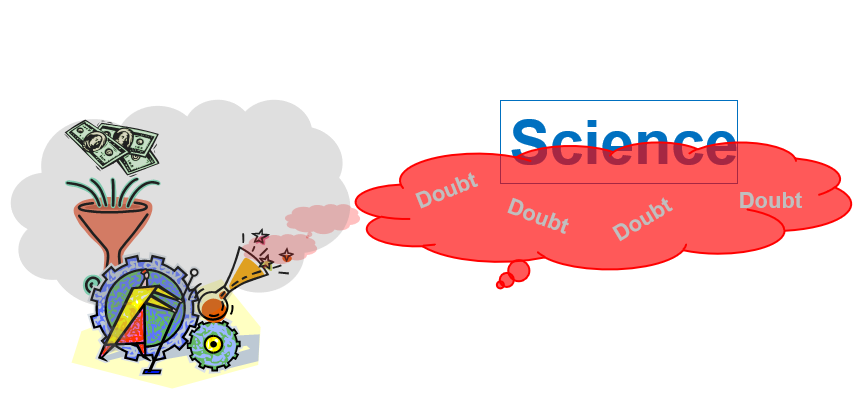
Dark-Moneyed Denialists Are Running 'Fixing Science' Symposium of Doubt
The “Fixing Science” symposium, which is hosted by the National Association of Scholars and kicks off today in Oakland, California, includes credible speakers who want to improve some areas of science hurt by the use of poor statistical methods or making irreproducible claims. Unfortunately, they are outnumbered by people who have often cast doubt on mainstream climate, environmental, and health sciences. For […]
PRISM: Capturing the Invisible Art of Scientific Practice
A New Tool for Recording and Scaling Laboratory Expertise

Legislating “Sound Science”: The Role of the Tobacco Industry
In the late 1990s, in an effort to dispute the link between secondhand smoke and lung cancer, Philip Morris initiated a campaign to legislate “sound science.” The campaign involved enacting data access and data quality laws to obtain previously confidential research data in order to reanalyze it based on industry-generated data quality standards. Philip Morris worked with other corporate interests to form coalitions and workgroups, develop a “data integrity” outreach program, sponsor symposia on “research integrity,” and draft language for the new acts. The tobacco industry played a role in establishing laws that increase corporate influence on public health and regulatory policy decisions.

Legislating “Sound Science”: The Role of the Tobacco Industry
In the late 1990s, in an effort to dispute the link between secondhand smoke and lung cancer, Philip Morris initiated a campaign to legislate “sound science.” The campaign involved enacting data access and data quality laws to obtain previously confidential research data in order to reanalyze it based on industry-generated data quality standards. Philip Morris worked with other corporate interests to form coalitions and workgroups, develop a “data integrity” outreach program, sponsor symposia on “research integrity,” and draft language for the new acts. The tobacco industry played a role in establishing laws that increase corporate influence on public health and regulatory policy decisions.
Can we measure trust in scientific publications? - LSE Impact
Jonathon Alexis Coates outlines how a constellation of static and dynamic indicators could provide a means for assessing the trustworthiness of published research

