

I was not reviewer 2. But I am so annoyed by Americans pretending the whole open science movement is funded by John Arnold. His investments are absolutely dwarfed by what the European Union and European science funders have invested in Open science. Only incredibly biased people would ignore this.
Aug 1, 2026 at 6:29 AM
science funding and the cherry picking problem
Science publishing–like all of science–requires money. There’s no getting around it, even with the open science movement. What appears free to many authors and readers still requires money and infr…

The Current Crisis: What's Happening to Science in America
Center for Open Science
At the Center for Open Science, our mission is to increase openness, integrity, and reproducibility of scholarly research. Promoting these practices within the research funding and publishing communities accelerates scientific progress

Jason Shepherd on Twitter / X
I have quite a lot of thoughts on this..that won't fit in a tweet. Bottomline is that there are issues scientists in the US would love to improve - faster review, less grant writing, more stability and freedom to do risky science. The folks celebrating this doc are mostly../1 https://t.co/xlPAH9XYNC— Jason Shepherd (@JasonSynaptic) July 23, 2026
Guest post: If you’re going to critique science, be scientific about it
Loren K. Mell Editor’s note: This post responds to a Feb. 13 article in The Atlantic, “The Scientific Literature Can’t Save Us Now,” written by Retraction Watch cofounders Adam Marcus and Ivan Oran…
Have people stopped trusting science? The data tell a surprising story
Some say there’s a global crisis of trust — but research reveals where the real problems lie.
Why we don’t really know what the public thinks about science
Measuring trust isn’t enough. Furthering knowledge about the institutions and norms of science is the best way to build credibility.
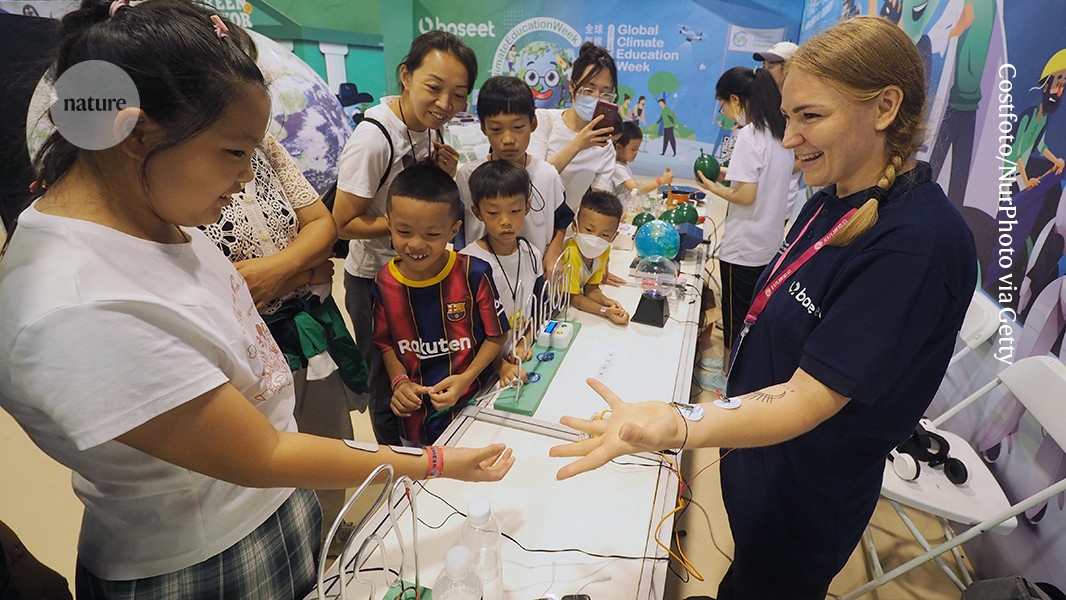
Open Science 2.0: Building Understanding in an AI-Mediated World - The Scholarly Kitchen
Open Science 2.0 must focus not only on access, but also on trust, interpretation, learning, and effective communication. The challenge facing the scholarly publishing ecosystem is ensuring that what is open is also trustworthy, understandable, and genuinely useful.
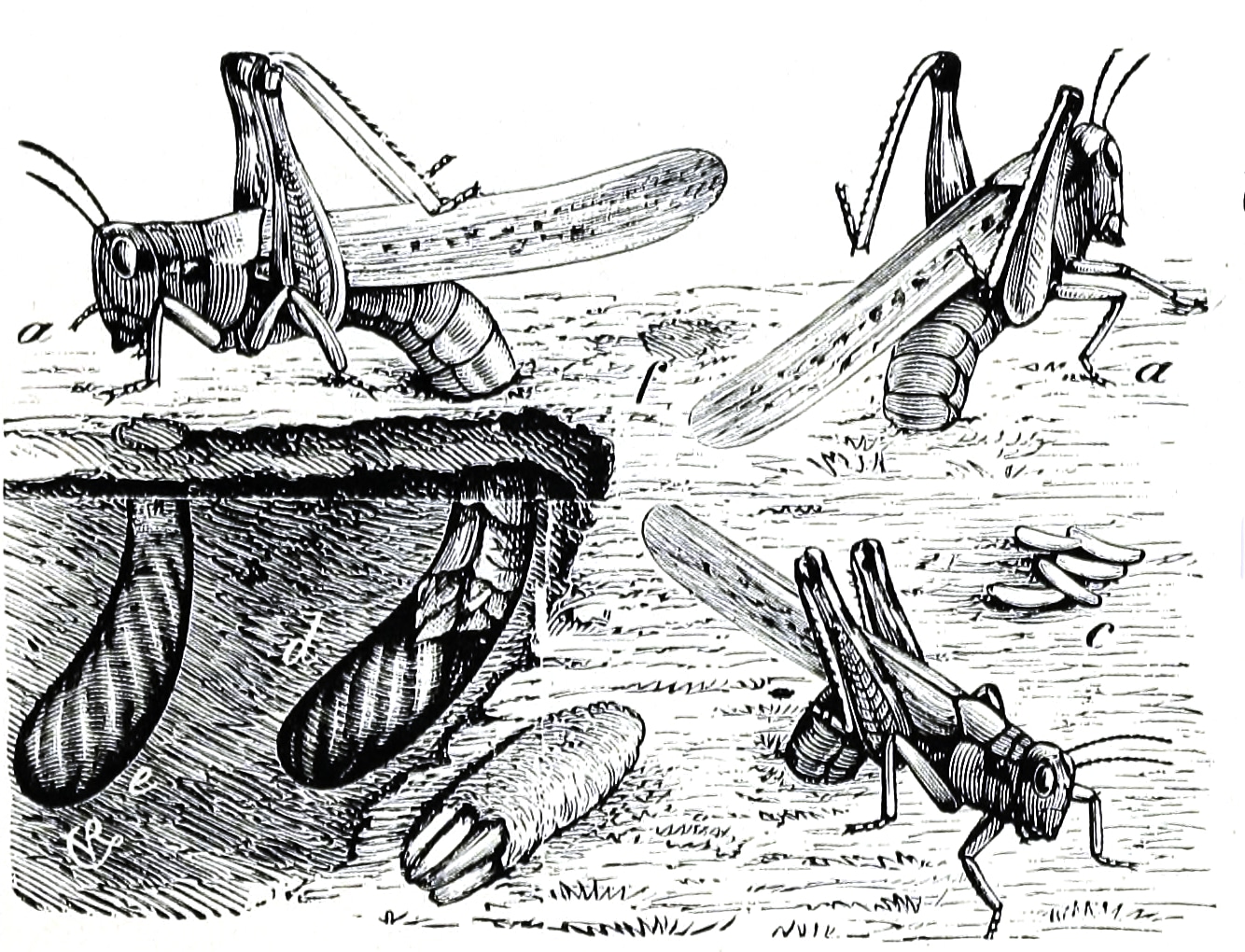
The “Terrible Engine of Destruction” That Inspired Federal Science Funding
What can we learn about the relationship between science and the American public from the story of plagues of locusts in the 1870s?
Open Science Needs Open Compute
Why independent science will depend on compute, not just funding, and why providing it is the best bet we can currently make.

Open Science Needs Open Compute
Why independent science will depend on compute, not just funding, and why providing it is the best bet we can currently make.
The Problem With Promoting ‘Gold Standard Science’
Opinion | Branding scientific research with a simplified label risks misleading the public and harming scientific literacy.

Today we're launching the Open Source for Science Fund, a new multi-donor philanthropic fund by Renaissance Philanthropy, seeded by @biohub.org and @wellcometrust.bsky.social, with support from @kavlifoundation.org and @researchsoftware.bsky.social 🧵 os4science.org/news/open-source-for-science-…

Open Source for Science Fund Launches to Power AI-Driven Discovery
os4science.orgWhy do people trust physicists and biologists more than economists or sociologists? In a new paper out in Public Understanding of Science, @hugoreasoning.bsky.social and I argue that it has to do with perceived precision and consensus. doi.org/10.1177/09636625261471051

Sciences perceived as precise and consensual are more trusted - Jan Pfänder, Hugo Mercier, 2026
doi.orgOnce you understand that this is a model of science written by non-scientists who hate universities but love venture capital and redirecting money to political allies, everything makes a lot more sense. nytimes.com/2026/07/22/us/politics/trump-…

Trump’s Plan for Science: More Money for A.I., Less for Universities
www.nytimes.com


