

This concept was introduced to me as "run the dishwasher twice" and was an important part of my executive functioning recovery as well as my path to self-acceptance.

punkitt ‼️🧣
mucho texto i know but i wanted to write a lil thing about how u can treat yourself nice!!
Aug 18, 2025 at 3:46 AM
Twice exceptional (2e) | Education | Research Starters | EBSCO Research
<p>Twice exceptional (2e) refers to individuals, particularly students, who exhibit both exceptional abilities and disabilities. These learners may show outstanding talent in areas such as academics, creativity, or leadership while simultaneously facing challenges in areas such as reading, attention, or social interaction. Identifying twice exceptional individuals can be complex, as their strengths may obscure their weaknesses, or the focus may be disproportionately on one aspect of their abilities. This duality often leads to under-recognition, with many 2e students navigating educational systems without appropriate support.</p> <p>The concept of twice exceptionality gained prominence in the late 20th century as educators began to understand that high intelligence does not always equate to high performance across all areas. These individuals may struggle with neurobiological conditions like dyslexia, ADHD, or autism spectrum disorder, which can complicate their learning experiences. Traits such as perfectionism, sensory sensitivities, and uneven development further illustrate the unique challenges faced by twice exceptional learners. It is essential for educators and caregivers to recognize and nurture both the strengths and needs of these individuals to foster an inclusive and supportive learning environment.</p>

Understanding Twice-Exceptional (2e) in Adulthood
What Does “Twice-Exceptional” Mean, and How Does it Affect Adults in Professional Settings?

Letter of Recommendation: Washing Dishes (Published 2019)
Cutting through the clutter, in life and the kitchen sink.

The 2e Advantage: A Systemic Guide for Understanding & Unlocking Twice-Exceptional Talent in the Modern Workplace
In today's competitive landscape, overlooking talent is a critical error. Twice-exceptional (2e) and neurodivergent individuals represent a significant pool of often untapped potential, possessing unique strengths alongside specific challenges.

ADHD and Entrepreneurship: Unlocking the Potential of Those Who Break the Mold
Having symptoms related to the hyperactive-impulsive presentation of ADHD can spur innovativeness, proactiveness and risk-taking.

Enjoy it again: Repeat experiences are less repetitive than people think.
Double Mental Discounting: When a Single Price Promotion Feels Twice as Nice
This research finds that when a single gain has strong associations with multiple costs, consumers often mentally deduct that gain from perceived costs multiple times. For example, with some price promotions (e.g., spend $200 now and receive a $50 gift card to spend in the future), consumers mentally deduct the value of the price promotion from the cost of the first purchase when they receive the promotion, as well as from the cost of the second purchase when they use the promotion. Multiple mental deductions based on a single gain result in consumers' perceptions that their costs are lower than they actually are, which can trigger higher expenditures. This mental accounting phenomenon, referred to as “double mental discounting,” is driven by the extent to which gains feel associated, or coupled, with multiple purchases. This article also documents methods to decouple promotional gains from purchases, thus mitigating double mental discounting.

Relative to Einstein: Quality of Life in Twice Exceptional Adults
Twice exceptionality, or 2e, is the recently-coined term for the intersection of learning disabilities (LDs) and giftedness in an individual. Typically, these learning disabilities encompass ADHD, ASD, and/or specific learning disorders such as dyslexia. Because giftedness may obscure or compensate for a student’s academic struggles, and because institutional fixation on disability may overshadow intelligence, twice exceptionality is often missed by teachers and other authority figures in a child’s life. Given the ongoing difficulties of screening for twice exceptionality, it is likely that many 2e students have gone unidentified throughout most of their academic careers, without receiving the accommodations that would most benefit their studies. Furthermore, 2e adults whose schooling predated widespread awareness of twice exceptionality are more likely to have been diagnosed later in life. The twin prongs of identification and intervention for 2e youth make up the bulk of studies in the field. Today’s 2e youth are better-identified, better-studied, and better-supported than any previous generation, but 2e adults remain an understudied population. In addition to the difficulties and contradictions inherent in twice exceptionality, late identification and lack of support are likely to have negatively impacted twice exceptional adults, both in and out of the classroom. The present study will examine the ability of 2e adults to effectively cope with stressors in their lives, as well as their current level of life satisfaction. Approximately fifty or more 2e adults will be recruited through email and social media, and via the disability department of a small liberal arts university. Participants will be asked about their diagnostic histories and their experiences with higher education, and will then complete the Satisfaction With Life Scale (Diener, E., Emmons, R. A., Larsen, R. J., & Griffin, S., 1985) and Coping Self-Efficacy Scale (Chesney, M.A., Neilands, T.B., Chambers, D.B., Taylor, J.M., & Folkman, S., 2006). Data will be collected and analyzed in March and April 2017. We hypothesize that there will be a relationship between the age of identification as twice exceptional and adult quality of life, operationalized by Satisfaction with Life and Coping Self-Efficacy. Additionally, we will explore the relationships between specific diagnoses and these variables, as well as factors of race and gender. This study will provide information on an underserved and understudied group, and we hope it will provide a deeper understanding of the needs and strengths of this population.
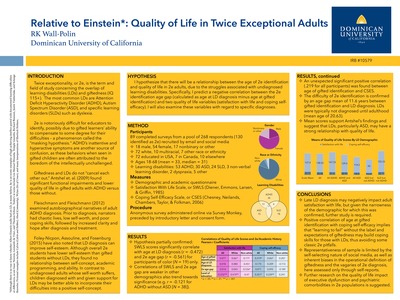
Lived experience of twice-exceptional adults
How educational programs can support the development of gifts and/or exceptional talents and the challenges faced by Autistic twice-exceptional students.

Think Twice: How the Gut's "Second Brain" Influences Mood and Well-Being
The emerging and surprising view of how the enteric nervous system in our bellies goes far beyond just processing the food we eat

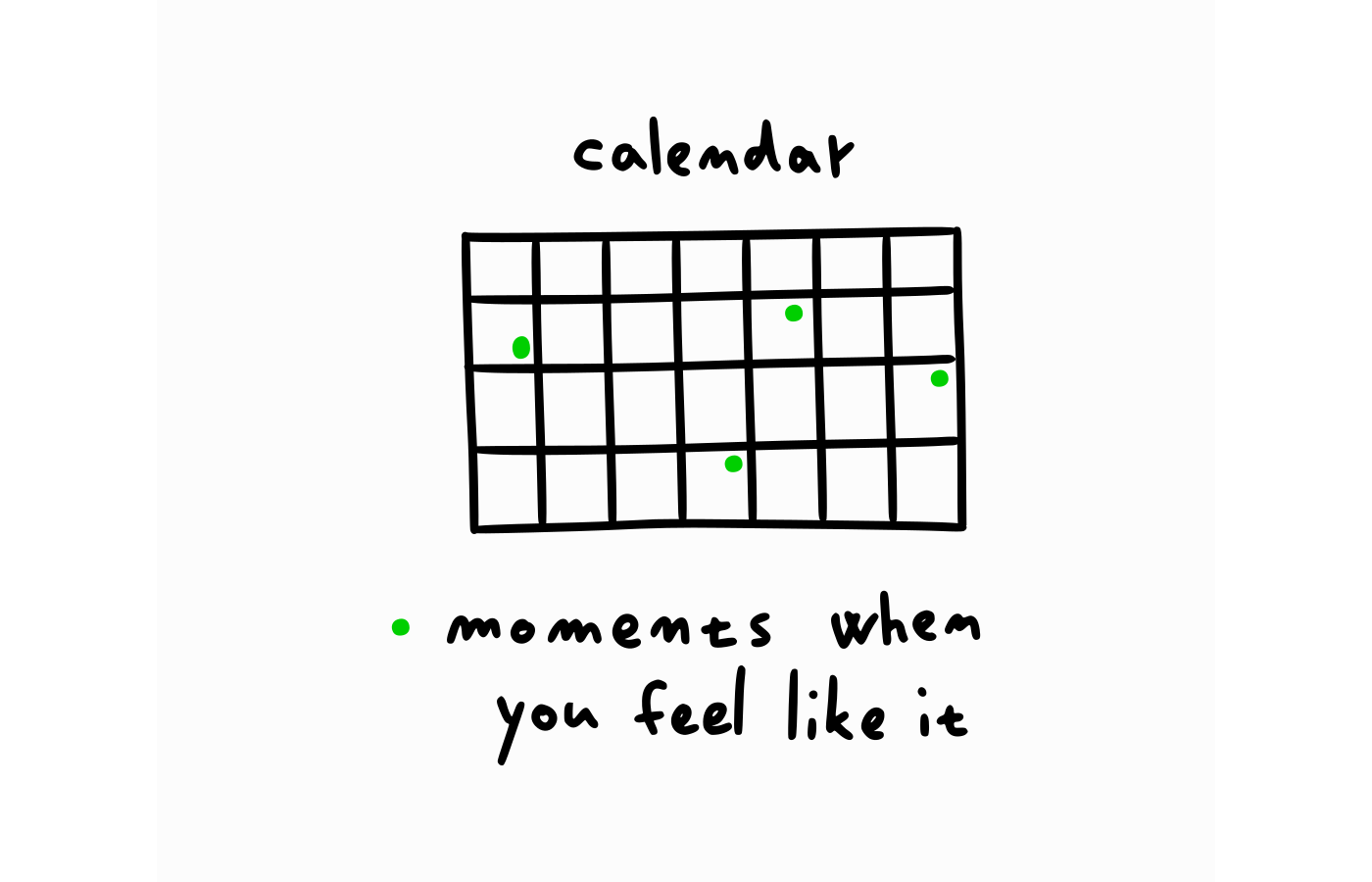
3 tricks to start working despite not feeling like it
Ever wish you felt like creating that presentation? Felt like doing that research? Felt like doing the dishes?
Malleable Mental Accounting: The Effect of Flexibility on the Justification of Attractive Spending and Consumption Decisions
Mental accounts are often characterized as self‐control devices that consumers employ to prevent excess spending and consumption. However, under certain conditions of ambiguity, the mental accounting process is malleable; that is, consumers have flexibility in assigning expenses to different mental accounts. We demonstrate how consumers flexibly classify expenses, or construct accounts, to justify spending. An expense that can be assigned to more than one account (i.e., an ambiguous expense) is more likely to be incurred than an unambiguous expense that is constrained either by existing budgets or by previously constructed accounts. We explore the justification processes that underlie these results and their implications for mental accounts as self‐control devices.

I automated my job (and it made me a better leader)
Explore how my day as a senior leader looks now that I use 40 automations to help, and learn more about some of my favorites.

The Power of Habit: Why We Do What We Do in Life and Business by Charles Duhigg
A young woman walks into a laboratory. Over the past two years, she has transformed almost every ...
It’s the Effort That Counts: The Effect of Self-Control on Goal Progress Perceptions
Does the amount of self-control consumers must exert to choose a goal-consistent action influence their perceptions of goal progress? For example, if you choose to go to the gym when one of your favorite TV shows is on (vs. when nothing interesting is on TV), do you perceive that you have made a differential amount of progress toward your goal, despite completing the exact same workout? In eight studies (N = 7,515), the authors demonstrate that consumers perceive that they have made more progress on their goals when more (vs. less) self-control is required to choose to complete an identical goal-consistent task. This is because when consumers exert more (vs. less) self-control to choose a goal-consistent task over the goal-inconsistent alternatives, they infer higher commitment to the goal. The higher inferred commitment, in turn, leads consumers to perceive that future goal pursuit will be easier. The authors demonstrate this effect across a variety of tasks and means of exerting self-control, as well as with both hypothetical scenarios and real-behavior studies.
Successful People With ADHD Superpowers
Explore stories of successful people who have harnessed their ADHD superpowers to achieve greatness.

