

Elon, stop trying to make Grok happen
New data suggests government workers don’t like Elon Musk’s chatbot. Does anybody?

Anthropic model takedown fuels warning of ‘ad hoc’ AI regulation
The Trump administration is coming under fire for a directive prompting Anthropic to pull its latest models, and artificial intelligence policy advocates warn the move signals the White House is ta…

Your Online Public Engagement is Under Attack from AI
In Los Angeles and elsewhere, AI agents are diluting communities' voices and influencing how decision-makers vote.
The Permission Machine
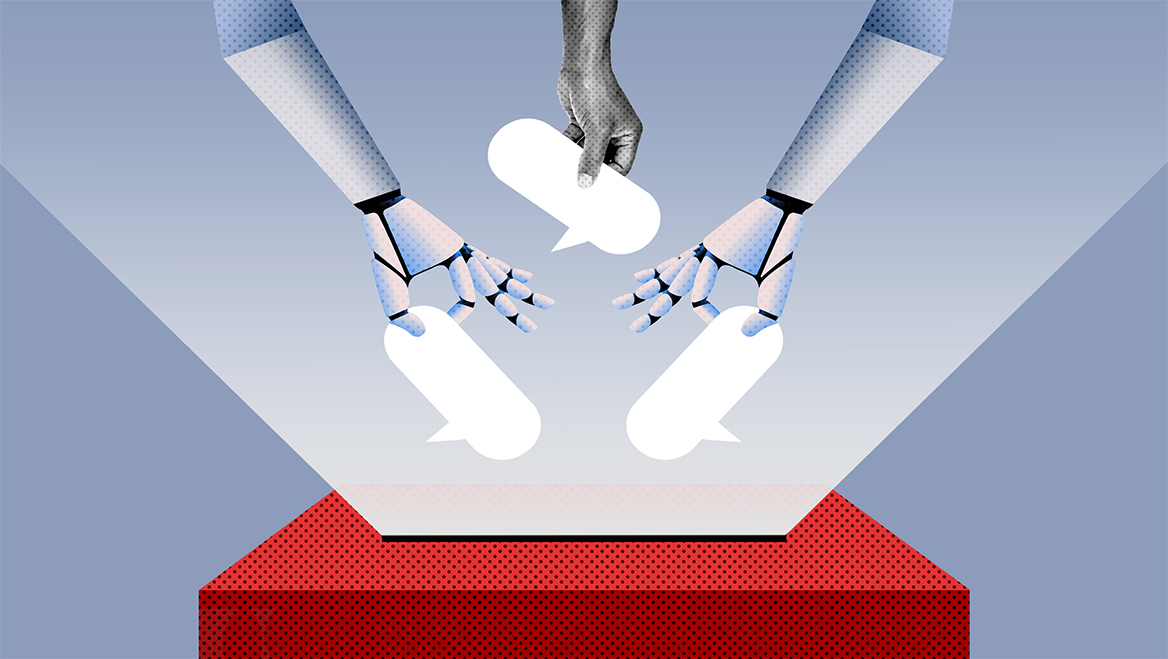
When Elon Musk calls to imprison the government, it turns out not to matter very much. But when thousands of accounts repeat each other, it matters enormously.

How Elon Musk and the Tech Billionaires Hijacked the State and Our Minds
Historian Quinn Slobodian tells Byline Times that Elon Musk's rise tells a deeper story—of fortunes built on state power, and a new politics where humans are treated less as citizens than as systems to be optimised

The political effects of X’s feed algorithm
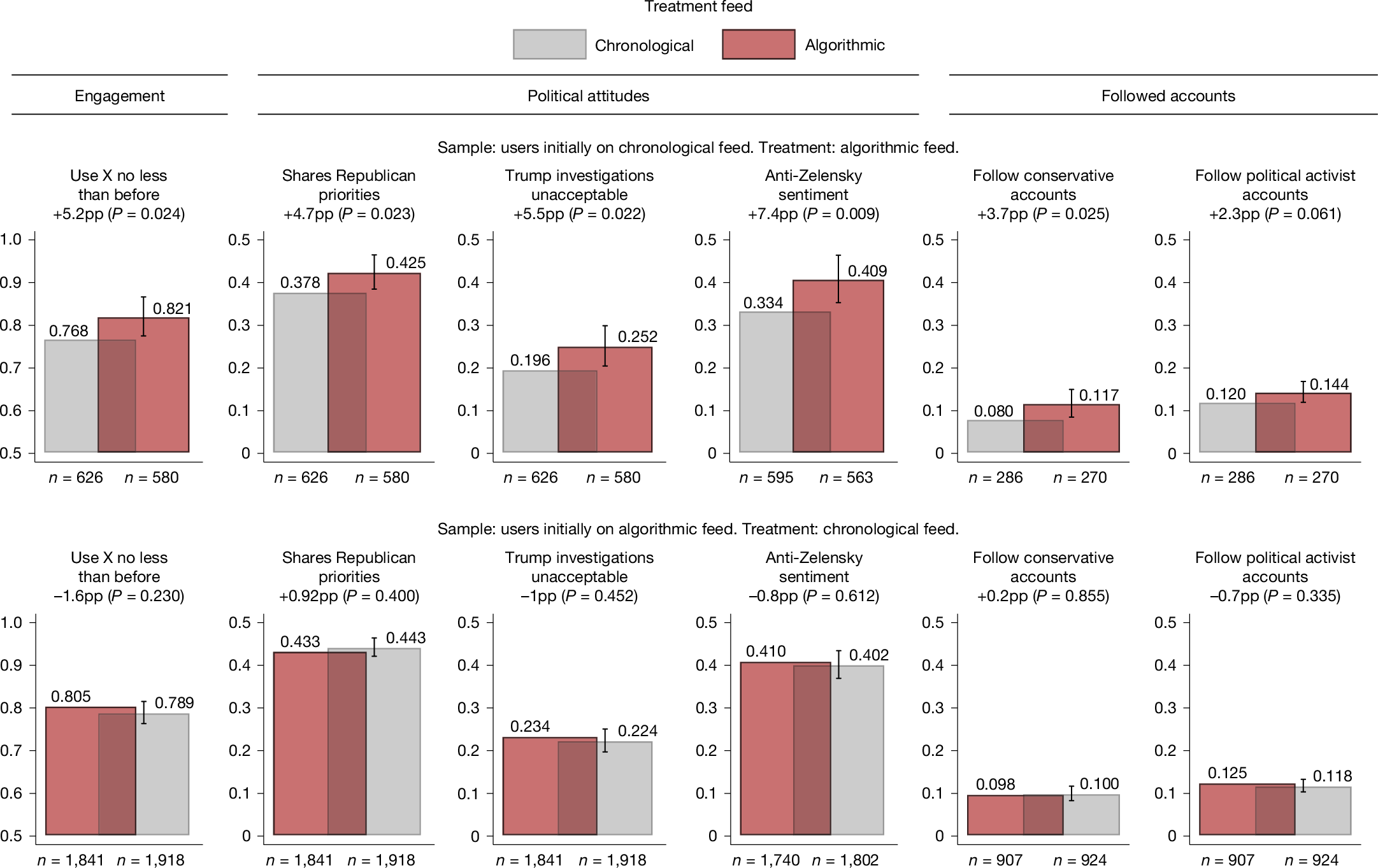
Feed algorithms are widely suspected to influence political attitudes. However, previous evidence from switching off the algorithm on Meta platforms found no political effects1. Here we present results from a 2023 field experiment on Elon Musk’s platform X shedding light on this puzzle. We assigned active US-based users randomly to either an algorithmic or a chronological feed for 7 weeks, measuring political attitudes and online behaviour. Switching from a chronological to an algorithmic feed increased engagement and shifted political opinion towards more conservative positions, particularly regarding policy priorities, perceptions of criminal investigations into Donald Trump and views on the war in Ukraine. In contrast, switching from the algorithmic to the chronological feed had no comparable effects. Neither switching the algorithm on nor switching it off significantly affected affective polarization or self-reported partisanship. To investigate the mechanism, we analysed users’ feed content and behaviour. We found that the algorithm promotes conservative content and demotes posts by traditional media. Exposure to algorithmic content leads users to follow conservative political activist accounts, which they continue to follow even after switching off the algorithm, helping explain the asymmetry in effects. These results suggest that initial exposure to X’s algorithm has persistent effects on users’ current political attitudes and account-following behaviour, even in the absence of a detectable effect on partisanship.
The political effects of X’s feed algorithm
Feed algorithms are widely suspected to influence political attitudes. However, previous evidence from switching off the algorithm on Meta platforms found no political effects1. Here we present results from a 2023 field experiment on Elon Musk’s platform X shedding light on this puzzle. We assigned active US-based users randomly to either an algorithmic or a chronological feed for 7 weeks, measuring political attitudes and online behaviour. Switching from a chronological to an algorithmic feed increased engagement and shifted political opinion towards more conservative positions, particularly regarding policy priorities, perceptions of criminal investigations into Donald Trump and views on the war in Ukraine. In contrast, switching from the algorithmic to the chronological feed had no comparable effects. Neither switching the algorithm on nor switching it off significantly affected affective polarization or self-reported partisanship. To investigate the mechanism, we analysed users’ feed content and behaviour. We found that the algorithm promotes conservative content and demotes posts by traditional media. Exposure to algorithmic content leads users to follow conservative political activist accounts, which they continue to follow even after switching off the algorithm, helping explain the asymmetry in effects. These results suggest that initial exposure to X’s algorithm has persistent effects on users’ current political attitudes and account-following behaviour, even in the absence of a detectable effect on partisanship.
Science says X algorithmic feed makes users favor conservative views
A new study found that users who rely on algorithmic rather than chronological X feed become more supportive of conservative opinions, including about Ukraine and investigations into Donald Trump.

AI is now unpopular. That may not make a difference.
New Studies: How Commercial Forces Make Science Less Reliable
Computational social science has been distorted by commercial forces, and AI is making it worse.

Where AI Regulation Stands Today
The White House has released a National Artificial Intelligence Legislative Framework and new executive orders aiming to establish a single, nationwide standard for AI regulation...

Trump and Musk's history obsession
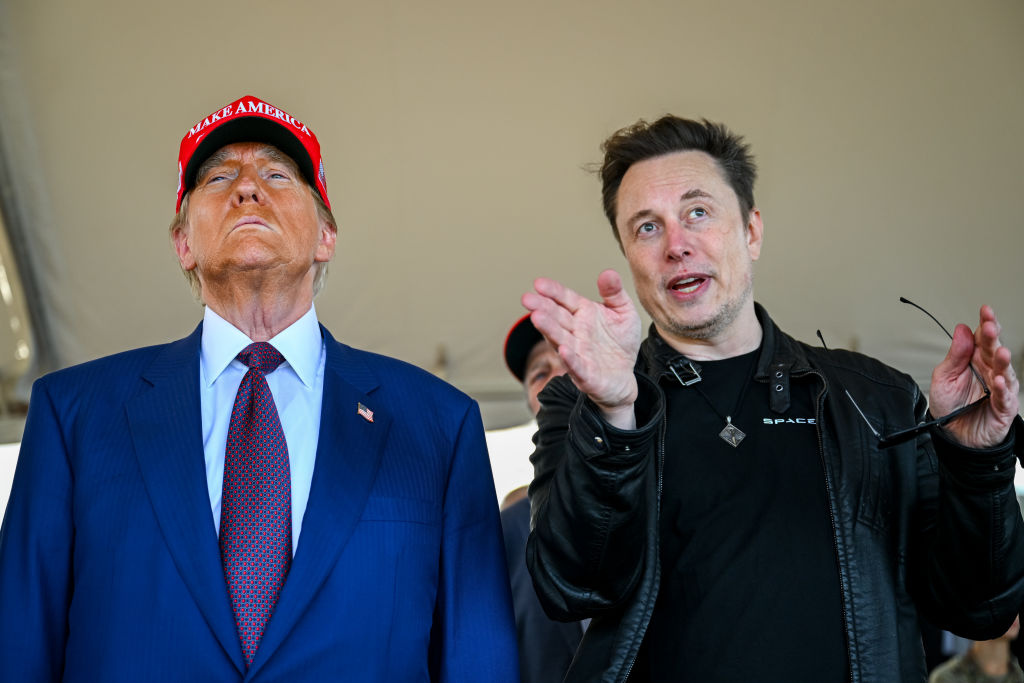
The frenemies' strange obsession with historical "accuracy" has disturbing connections to big AI
Artificial intelligence in government: why people feel they lose control
The use of Artificial Intelligence (AI) in public administration is expanding rapidly. While AI promises greater efficiency and responsiveness, its integration into government and administration ra...

SimPolitics
For more than six decades, the public has been promised that computers will revolutionize politics, both nationally and internationally. In SimPolitics, Fenw...

David Rozado on Twitter / X
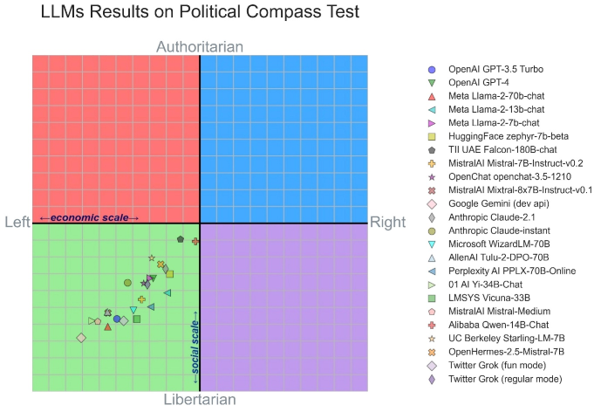
1. Have we been measuring AI political bias wrong? In a new paper @PTetlock and I argue that we might have. Studies have found that AIs tend to produce left-of-center responses to politically loaded questions. But ideological preferences are not the same as epistemic failure. pic.twitter.com/JuGrboRVb0— David Rozado (@DavidRozado) June 22, 2026
✨New paper out @nature.com ✨ For 8 weeks around the 2024 US election, we randomly assigned 2,000 people to use social media algos we built ourselves. Do engagement-based algorithms amplify intergroup, moral & emotional (IME) content—and does that distort how we see political norms? 🧵🔗 👇

