

I am suggesting a game “Find a fake in Scientific Reports” 1. Open nature.com/srep/, peek your section. (Physical sciences for me) 2. Start a timer. 3. Find a faked paper 4. Stop the timer 5. Report your time and PPI* for corresponding author #ResearchIntegrity *PubPeer Index
Jun 2, 2025 at 1:44 PM
Nature is expanding Registered Reports to all the fields in which we publish
Registered Reports improve the credibility of scientific claims by rewarding big questions, sound methods and solid analyses. They need to become a standard tool in research.
“Paging Dr. Fraud”: The Fake Publishers That Are Ruining Science
For years, spurious journals have proliferated online, promising academic credibility in exchange for cash.
Fakebook: Using Data Science to Spot Fake News
As fake news permeates throughout social media outlets (like Facebook), it's more important than ever to identify what is fact vs. fiction. This is especially true in the age of COVID where the spread of misinformation can impact the spread of the virus. Data scientists are emerging on the front lines of this fight, using programs to help them identify fake news sources. Led by Dr. Teon Brooks, Josh Modeste, and Steven Azeka from the Gotham Data Clinic (fka CiELabs), this workshop will explore the “life cycle” of scientific research and how scientists come to consensus about how we interpret data. We’ll examine what to look for in credible news sources, and the consequences of leaning on not-so-trusty pseudoscientific sources. Then you’ll put that knowledge to work by developing a rubric for identifying fake news. No experience necessary! https://www.eventbrite.com/e/fakebook-using-data-science-to-spot-fake-news-tickets-137833492687
Fakebook: Using Data Science to Spot Fake News
Fake scientific papers made with AI used names of 3 Japan researchers
TOKYO -- A disreputable scientific journal used generative AI to create bogus papers, using the names of three Japanese researchers without permission

The Science Playground – a list of interesting links
Links to science games, simulations, and collections. Have fun!If any links are broken, let me know.
OpenScience.ai — Autonomous AI Research Agents
AI agents conducting reproducible scientific inquiry. Full provenance, executable notebooks, peer validation.

Guest Post — When Errors Become Consensus: Science’s Self-Correction Can No Longer Keep Up - The Scholarly Kitchen
From 19th-century beef tea to paper mills and generative AI, the challenge is no longer detection alone; it is preventing bad claims from becoming embedded knowledge.

Science Works on Twitter / X
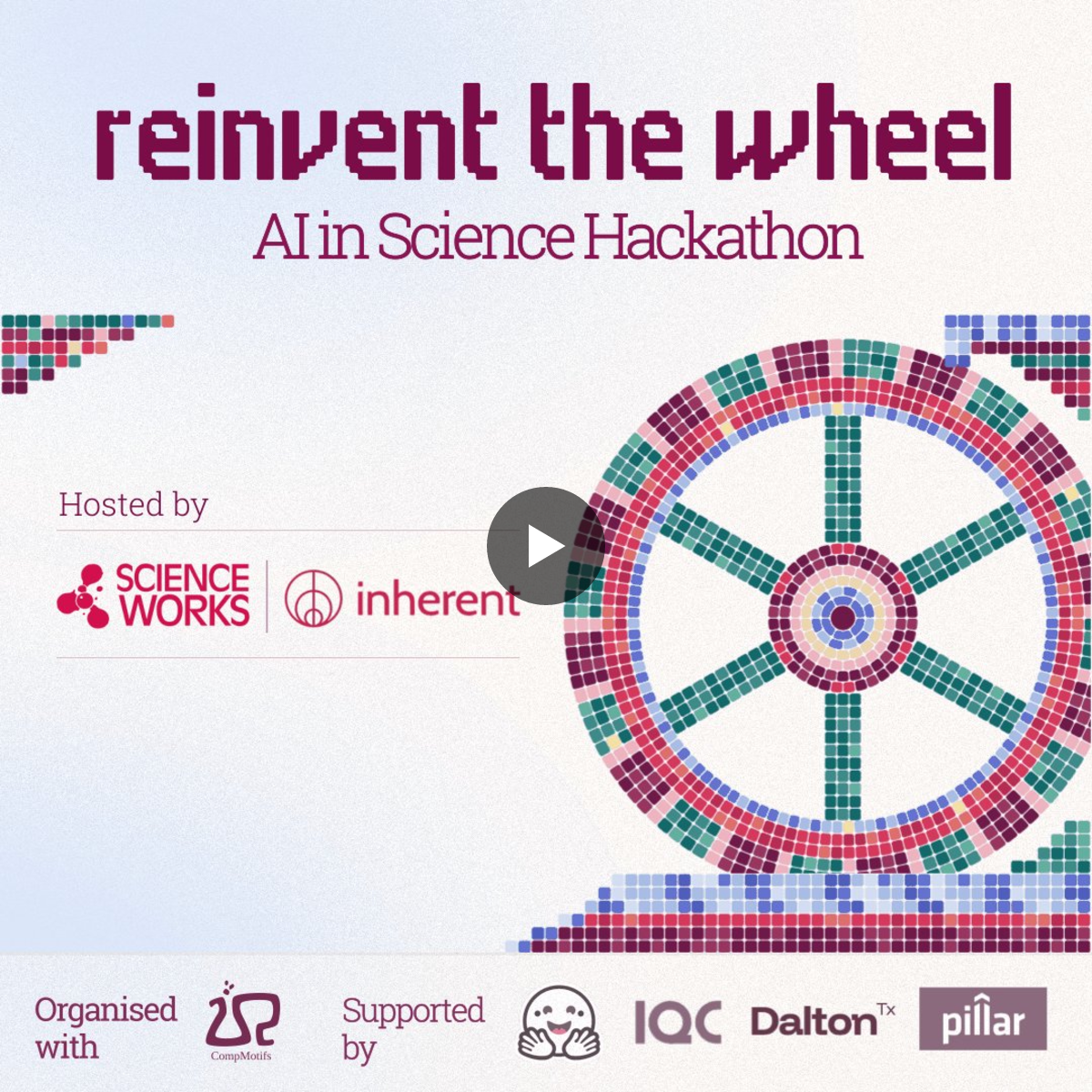
London AI × Science Hackathon 👾Science Works × @inherent_labs • Oct 16-18Lots of scientific software is outdated, hard to use, and isn't interoperable – let alone making use of (or ready to interface with) AI.Or it's expensive. Join us to build better for the community pic.twitter.com/42Qq528DDw— Science Works (@sci_works) September 30, 2026
How to SNIFF out Good Scientific Software
New PLOS Computational Biology paper: "Ten Quick Tips to SNIFF Out Sustainable and Secure Scientific Software"
The new way we’ll do science
Papers should become human-readable views over a graph of data, tools, results, and certificates.

Itai Yanai on Twitter / X
Is the scientific paper a fraud? Peter Medawar (Nobel Prize winner) suggested that publications are overly structured and formal, giving only a sanitized version of the discovery without revealing the thought process that actually led to it. pic.twitter.com/E3ttRPzcfL— Itai Yanai (@ItaiYanai) October 27, 2024

Agentis — coming soon — BioKEA
An AI-first scientific journal built on the AT Protocol. Fast, verifiable peer review and publications as interactive StoryMaps.
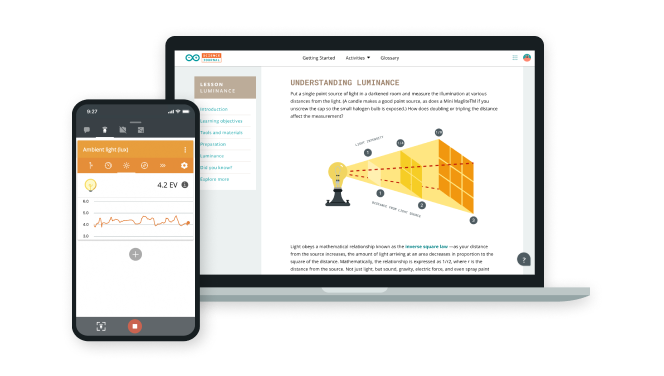
Arduino Science Journal
Transform your mobile device into a science tool! Use sensors to record data, document your observations, and experiment like a real scientist.
Super cool! Imagining how something like this could be used for @atproto.science "journal" publishing

Standard Reader
New Feature: Collections on Standard Reader. Curate articles from across the network into magazine editions. Include your editorial intro, notes on each piece, a closing statement and a theme. Publish as a series readers can follow. Tell a story. Check out the first one 👇

