being able to sit patiently with other people's thoughts, sit patiently with your own, and make both of those processes legible to someone who is not you is very valuable. if you can find a new way to do this that is fantastic news but I suspect it will at least resemble the model we've inherited
Apr 3, 2026 at 3:41 PM
Eroding a virtue: AI trains people to expect instant answers – and that’s bad news for patience
Patience is a virtue that researchers have linked to many parts of well-being. But it’s also something that needs a bit of practice and training – and can be undermined by instant, easy gratification.

Eroding a virtue: AI trains people to expect instant answers – and that’s bad news for patience
Patience is a virtue that researchers have linked to many parts of well-being. But it’s also something that needs a bit of practice and training – and can be undermined by instant, easy gratification.
Introducing interaction models | Thinking Machines Lab
How to Be Someone People Love to Talk to
Make sure the other person walks away better for having met you

The Power of Asynchronous Communication
Asynchronous communication allows us to maintain the essential bonds of friendship and dialog with the people that matter to us.

be diligent
For individuals It's challenging to work a process when it moves slower than feels appropriate. In the context of computer conversations, the tactic of s...

How being alone may be the key to rest
The results of the world’s largest survey on rest suggest that to feel truly rested, we need to get away from other people.

How to Deliver Constructive Feedback in Difficult Situations
Thoughtful, empathetic language can make or break your business relationships

Managing intrusive thoughts | Lifeline
Dealing with overwhelming and distressing thoughts can be difficult, but knowing how to handle them can make a big difference to how you feel. Learn why you might be experiencing intrusive thoughts and strategies that can help you manage them.

How to Stop AI from Killing Your Critical Thinking | Advait Sarkar | TED

How to take things less personally and avoid mind reading | Psyche Guides
Always blaming yourself or assuming others think ill of you? A CBT therapist shares ways to break these self-critical habits

Solitude and Leadership - The American Scholar
If you want others to follow, learn to be alone with your thoughts


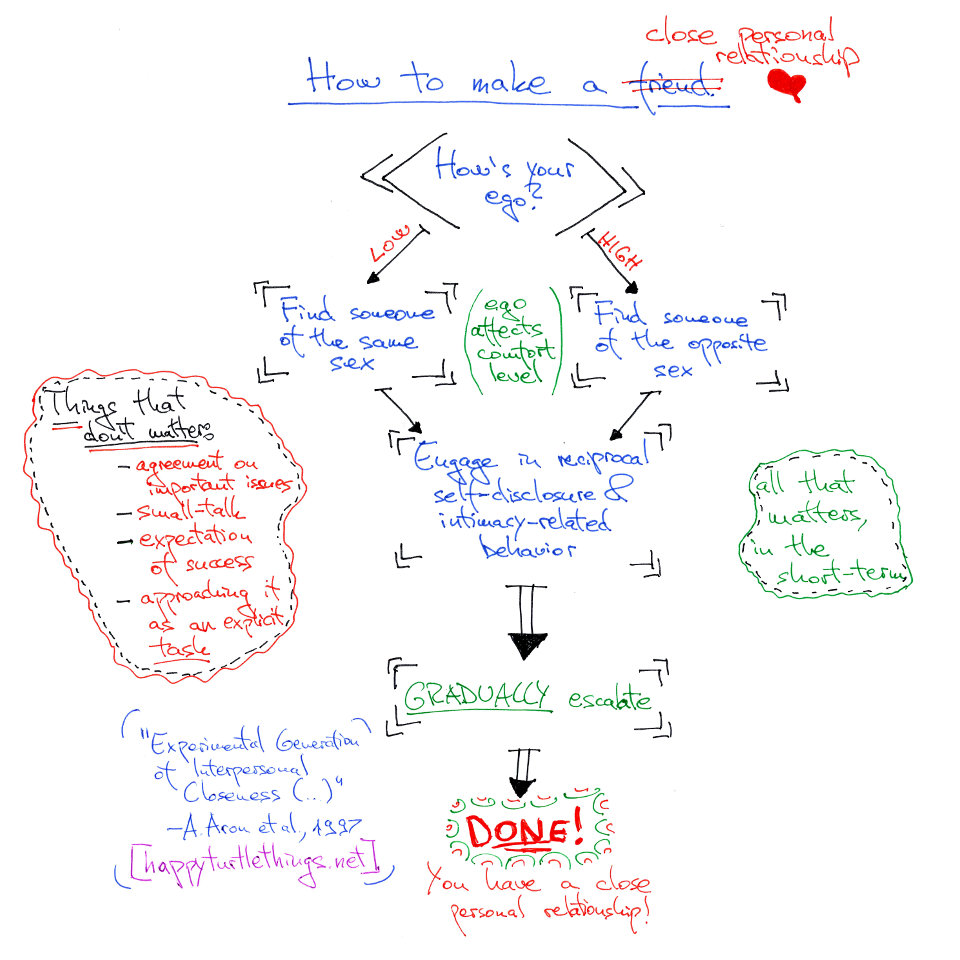
How to make a friend fast — the scientific method
Believe-it-or-not, we actually know exactly how to create friendships in the lab!
Live asynchronously.
Last year I turned off all my notifications. I stopped booking meetings. I started living asynchronously. Now instead of being interrupted throughout the day — or rushing from one meeting to the next — I sit down and get work done. I work a lot. I co...