

The EU's Digital Markets Act is delivering real wins for consumers in the EU, and in some cases globally. Apple and Google are opening up functionality that was previously reserved for their own products. But one glaring failure remains: browser engines on iOS. 🧵👇️ (1/23)

The Digital Markets Act Is Delivering Real Wins, But Not Yet for Browser Engines - Open Web Advocacy
open-web-advocacy.orgMay 15, 2026 at 7:19 AM
Google Backs Down: Will Grant Hotseat in EU Browser Choice Screen - Open Web Advocacy
In a significant win for smaller browsers, the open web, and the EU’s Digital Markets Act (DMA), Google has agreed to place the browser selected through the EU…
It’s Official, Apple Kills Web Apps in the EU - Open Web Advocacy
If you ship a Web App in the EU and will be impacted by this, please sign our open letter to Tim Cook. It is critical that we gather as much evidence as possible to prevent Apple from breaking Web Apps in the EU.
Apple's Browser Engine Ban Persists, Even Under the DMA - Open Web Advocacy
TL;DR: Apple's rules and technical restrictions are blocking other browser vendors from successfully offering their own engines to users in the EU.
Apple's plan to allow browser competition dubbed unworkable - Open Web Advocacy
The #AppleBrowserBan Ends in the EU!
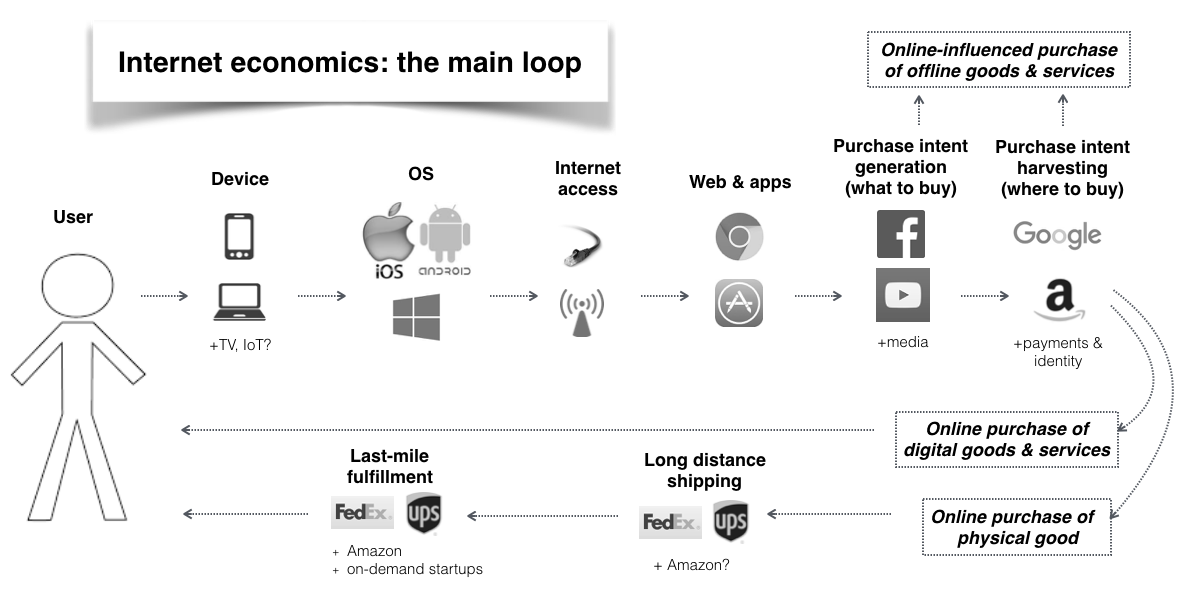
The Internet Economy
We are living in an era of bundling. The big five consumer tech companies — Google, Apple, Facebook, Amazon, and Microsoft — have moved far…
The Technical Feasibility of Divesting Google Chrome – Knight-Georgetown Institute
As the European Commission advances efforts under the Digital Markets Act to require Google to share its search data with competitors, lessons from historic antitrust remedies underscore how data access could be transformational in the AI-powered search market. While the Commission’s proposals represent a novel and comprehensive approach, key improvements to data scope and sharing frequency, privacy protections, and dispute resolution are needed. US courts and enforcers charged with implementing similar provisions should take note.

Google, Facebook, and Amazon benefit from an outdated definition of “monopoly”
A few weeks ago, Italy fined Apple and Samsung €15 million for the “planned obsolescence” of their smartphones. The antitrust regulators allege that both companies pushed users to download software that slowed phone performance, forcing customers to buy replacement phones sooner.

Morgan Stanley: No, Apps Aren't Winning. The Mobile Browser Is. | MarTech
Last week, comScore released its Mobile App Report, which we covered. The report contained many interesting findings, but its big takeaway was this:

Google Faces New EU Antitrust Probe Over Search Ad Pricing Practices
Google, the target for billions of euros in European Union antitrust fines, has been hit by a fresh EU probe over concerns it’s illegally rigging the cost of advertising on its search engine.
Alex Moore on Open Web Advocacy and Why "Innovation Doesn't Come from the Gatekeepers"
Apple to add AI search partners to Safari as Google usage falls
Apple is going to add AI search providers to the Safari browser on iPhone, iPad, and Mac. Bloomberg reports Apple...

Leave big tech behind! How to replace Amazon, Google, X, Meta, Apple – and more
A handful of companies monopolise the web, with unprecedented access to our data. But there are many more ethical – and often distinctively European – alternatives

SLAP and FLOP: Apple's Lack of Full Site Isolation and iOS Browser Ban Puts Users at Risk - Open Web Advocacy
TL:DR; Yet again Apple’s ban on third-party browser engines weakens security rather than strengthens it.
The European Commission Versus Android
Examining the history of Android explains why the European Commission may be right to fine Google for its actions around Android, even as the reasoning feels off.

Google’s Chrome Antitrust Paradox
This Article examines Google’s dominance of the browser market, highlighting how Google’s Chrome browser plays a critical role in reinforcing Google’s dominance in other markets. While Google portrays Chrome as a neutral platform built on open-source technologies, this Article shows that Chrome is, in fact, instrumental in Google’s strategy to reinforce its dominance in the online advertising, publishing, and browser markets. The examination of Google’s strategic acquisitions, anticompetitive practices, and the implementation of so-called “privacy controls” underlines that Chrome is far from a neutral gateway to the web. Rather, it serves as a key tool for Google to maintain and extend its market power, often to the detriment of competition and innovation in the digital economy.This Article illustrates how Chrome not only bolsters Google’s position in online advertising and publishing through practices such as coercion and self-preferencing, but also leverages its advertising clout to engage in a “pay-to-play” paradigm—the cornerstone of Google’s larger strategy of market control. It also outlines potential regulatory interventions and remedies by drawing on historical antitrust precedents. Lastly, this Article proposes a triad of solutions motivated by an analysis of Google’s abuse of Chrome, including behavioral remedies targeting specific anticompetitive practices, structural remedies involving an internal separation of Google’s divisions, and divestiture of Chrome from Google into an independent organization.Despite Chrome’s dominance and its critical role in Google’s ecosystem, as well as its recent legal troubles with the Department of Justice, it so far has avoided significant antitrust action. A key reason for this inaction lies in the long-standing precedent supporting the hegemony of technology firms and the uncertainty surrounding Chrome’s viability as a standalone entity. This Article attempts to address these issues to enable antitrust actions that are essential in remedying current market imbalances. Such actions are also critical to mitigate future threats to competition from an increasingly monopolistic technology landscape, thereby fostering a competitive digital environment that promotes innovation and protects consumer interests.
In a significant win for smaller browsers, the open web, and the 🇪🇺EU’s Digital Markets Act (DMA), Google has agreed to place the browser selected through the EU browser choice screen directly in the Pixel homescreen hotseat (replacing Chrome). open-web-advocacy.org/blog/google-backs-down--will-… 🧵👇 (1/7)

Google Backs Down: Will Grant Hotseat in EU Browser Choice Screen - Open Web Advocacy
open-web-advocacy.org