

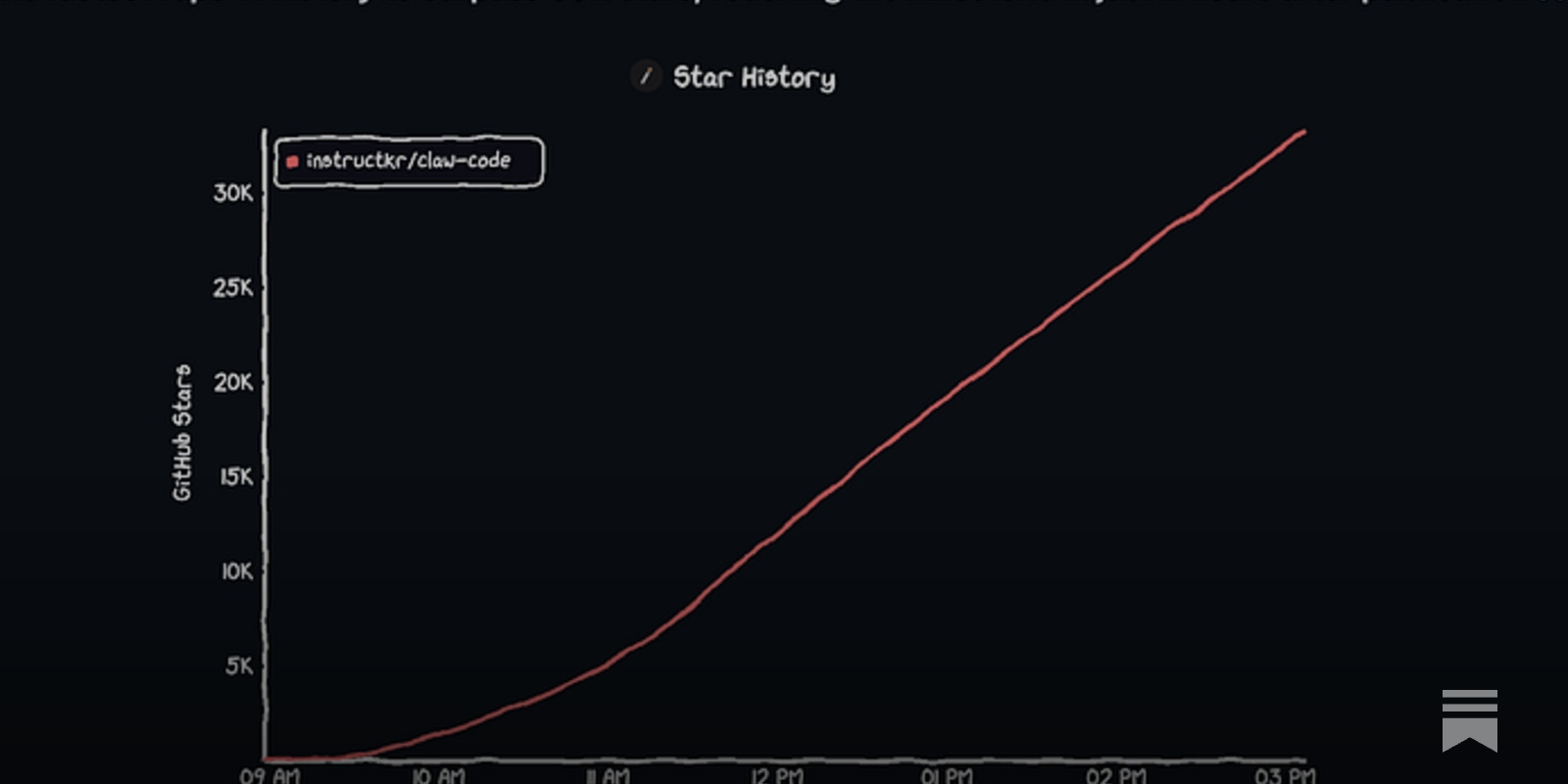
What I Found Interesting in Claude Code's Source
A breakdown of the most interesting engineering patterns in Claude Code's leaked source code: composable system prompts, runtime instruction injection, context compression, forking, prompt caching architecture, and more.
The Spec Can Come Later - The Phoenix Architecture
When I say things like "delete the code, keep the spec," many people seem to interpret that as a rule: write the specification first, and only then are you a…
The Spec Can Come Later - The Phoenix Architecture
When I say things like "delete the code, keep the spec," many people seem to interpret that as a rule: write the specification first, and only then are you a…
Diving into Claude Code's Source Code Leak
Engineer’s Codex is a publication about real-world software engineering.
Sourcegraph — Code Understanding, Oversight and Evolution
Give humans and agents complete context to understand, oversee, and evolve the world's largest, most complex codebases.
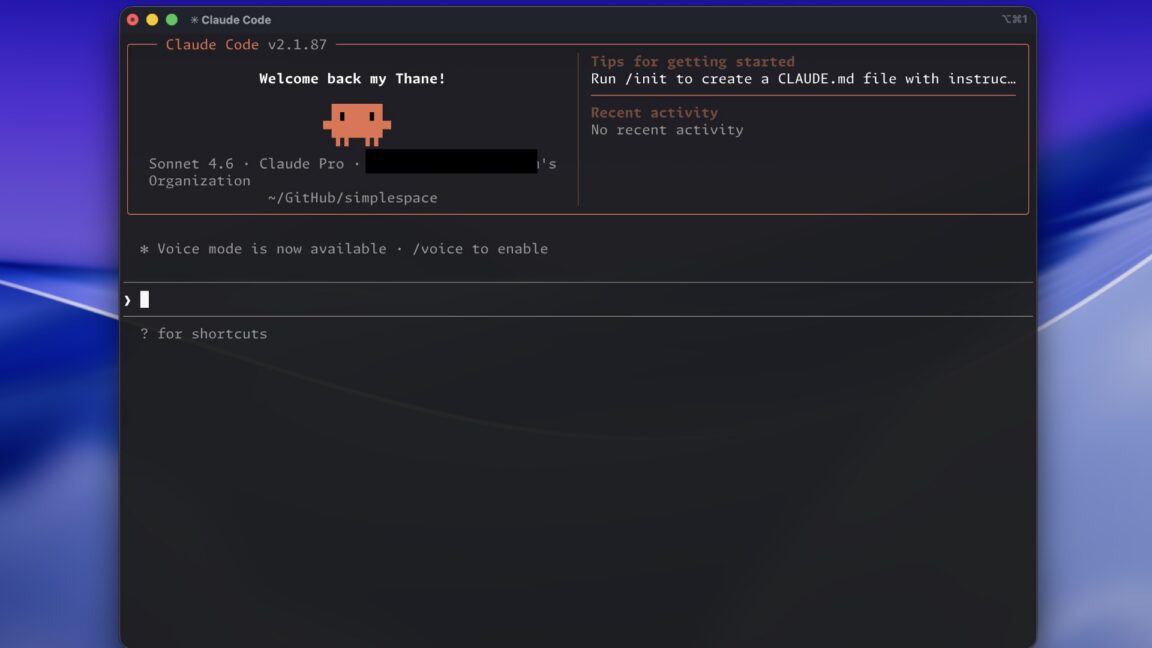
Entire Claude Code CLI source code leaks thanks to exposed map file
512,000 lines of code that competitors and hobbyists will be studying for weeks.
Software 4.0: When Code Stops Being an Artifact
The next step in Andrej Karpathy’s Software evolution: what happens when code is generated at runtime, executed once, and never saved…

Specs 2
Specs 2 is an ecosystem for specs driven component development. Via the plugin, turn a selected Figma component or component set into a compact, complete, schema-valid specification — computed directly from the file, not inferred from a screenshot. From the command line, generate specs from an en...
When Science Goes Agentic
In a couple of years, we will inspect AI-generated source code about as often as we inspect the assembly output of a compiler. Which is to say, far less often—outside of high-stakes and adversarial settings. The trajectory is clear: vibe coding is not a fad but a transition, a stepping stone. Debugging AI-generated code will shrink dramatically for a lot of everyday software—not because the code will be flawless, but because the feedback loops between generation, testing, and correction will tighten until human inspection becomes the bottleneck rather than the safeguard. In this respect, requiring the co-generation, with code, of mechanically verifiable formal attestations can also improve the process.

crawshaw - 2026-05-07
The industry-established code review process, review-then-commit, was a straightforward mechanism that allowed a relatively low-trust group of engineers to collaborate. It appears to have been initially developed for the Apache server OSS project in the 90s, corporatized by Google in the early 2000s, and popularized throughout the industry by several means, most notable of which was the GitHub PR.
Emelia (@thisismissem.social)
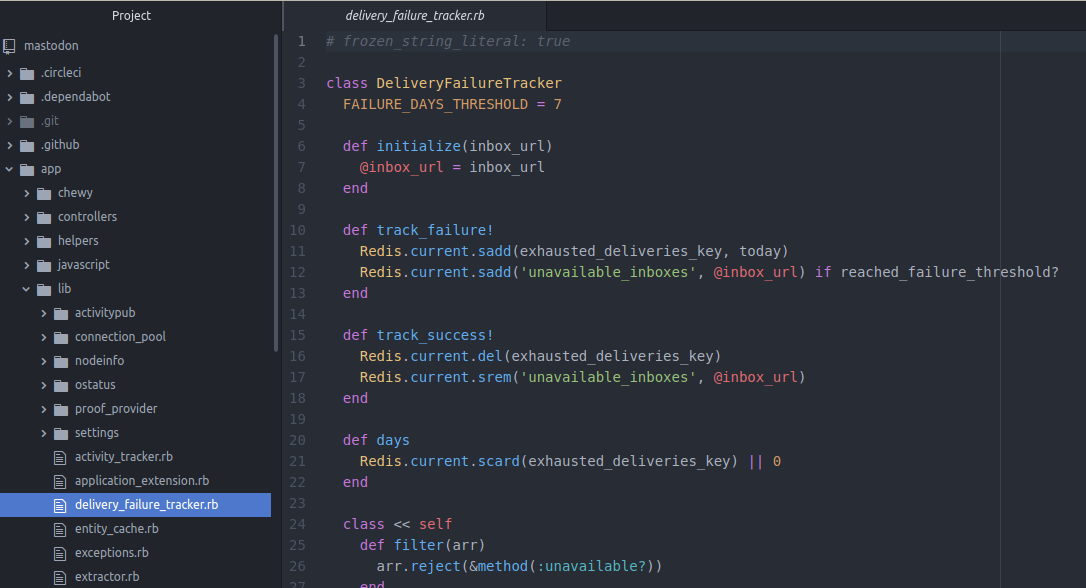
Their code was messy to say the least & did things that simply made no sense to do if you want to preserve interoperability. It looked more vibe coded than written by a competent developer. A few of us tried to nudge them in the right direction, and then they went closed source.


The future of software In the limit, software won't mean anything anymore. But in the interim period we'll wander through an increasingly odd "in-between" age for software. This… | Thomas Wolf | 63 comments
The future of software In the limit, software won't mean anything anymore. But in the interim period we'll wander through an increasingly odd "in-between" age for software. This transition period will be defined by three new precepts. Everflux software - instead of stepping from release to release, software now evolves continuously. Software creation has broken the sound barrier of our own keystrokes, and every model release pushes it faster. There is no reason to wait weeks or months for the next release when a single company merges over 30,000 code changes a day. Bug and vulnerability fixes need to ship quickly and continuously. And every piece of software sits in a lattice of dependencies, each one now shipping at a blistering pace. Translucent sources – A new territory has opened between open source and closed source. Today Claude will happily pick apart any Electron app, and any binary shipped with debug symbols has become a reverse-engineering playground for LLMs. In other words, much so-called closed-source software is now open source in all but name, and keeping code closed makes less and less sense. Even the notion of IP and copyright is breaking in software. I'm writing this text on a personal text editor I prompted Claude to vibe-code from a few videos of people demoing editor features they liked. A mere description of the interface is increasingly enough for an LLM to rebuild the internals. Software IP seems to be dissolving like cotton candy in a raccoon's paws. Bespoke features - Now that all software is open source, nothing prevents us from modifying everything. And personalization is just one prompt and a couple million tokens away, so there is absolutely no reason anymore to wait for someone else to add this feature you want. Everyone becomes their own product manager. Want a search box, an API bridge, a custom button? It's a couple of minutes away. A major challenge appears when bespoke features crash into our first tenet: everflux software. I could fork it for good to add my search box, but I'd lose all future benefit from the software creator. How do you personalize software that was never meant to be personalized, without shouldering all of its future maintenance? Merge conflicts won't be the exception anymore; they'll be a constant of everflux software. Agents will rebase our personal features onto each new release overnight, and software will look less like a product and more like a living species, evolving through constant mutation. Substack post: https://lnkd.in/dw2Re-kA Image: M.C. Escher, Metamorphosis II, November 1939 - March 1940 | 63 comments on LinkedIn


