

Does the new shingles vaccine (Shingrix) protect against cardiovascular disease (CVD)? Yes, according to a new 'natural experiment' study in @natmed.nature.com. But the truth is sadly far less convincing! Pull up a chair and let's examine another peer review failure in a Nature journal. 1/10 🧵
Aug 27, 2026 at 5:32 AM
COVID-19 Vaccine Effectiveness and Safety for the 2026-2027 Respiratory Season
Importance SARS-CoV-2 remains a substantial cause of respiratory illness, morbidity, and mortality. Evidence to date has demonstrated that COVID-19 vaccines reduce the risk of severe disease, including hospitalization and death. Objective This systematic review identifies and summarizes newly published studies reporting on the effectiveness and safety of COVID-19 vaccines and COVID-19 epidemiology in the US. Evidence Review Cochrane Central Register of Controlled Trials, PubMed/MEDLINE, Embase, and Scopus were searched from August 1, 2025, through June 29, 2026. Studies were eligible if they reported on the effectiveness, efficacy, or safety of a US-licensed COVID-19 vaccine or SARS-CoV-2 epidemiology in the US. Findings From 11 829 identified references, 155 publications were eligible (15 randomized clinical trials, 84 observational studies with a comparator group, 38 product safety studies without a comparator group [single group], and 18 descriptive studies of disease burden). Consistent with prior evidence, studies reported that updated COVID-19 vaccines were associated with a reduction in the risk of hospitalization among both older adults (≥65 years; vaccine effectiveness [VE], 53.0%; 95% CI, 37.0%-65.0%; 2025-2026 season) and adults (18-64 years; VE, 54.0%; 95% CI, 1.0%-78.0%; 2024-2025 season). Maternal vaccination was associated with reduced risk of COVID-19–associated emergency department/urgent care encounters among individuals vaccinated (VE, 58.0%; 95% CI, 24.0%-77.0%) and with fewer COVID-19–related hospital contacts in the first 2 months of life among infants born subsequently (VE range, 50.0%-54.0%), regardless of trimester of vaccination. Vaccination was also associated with a significant reduction in COVID-19–related pediatric emergency department visits (9 months to 4 years; VE, 76.0%; 95% CI, 58.0%-87.0%). Vaccination was associated with a reduced risk of critical COVID-19 illness (intensive care unit admission or death) in immunocompromised adults (VE range, 32.0%-53.0%, depending on condition and other factors). Health care personnel who received 3 to 5 vaccine doses were less likely to develop laboratory-confirmed COVID-19 illness (VE, 41.0%; 95% CI, 34.0%-47.0%) and postacute COVID-19 symptoms (VE, 57.0%; 95% CI, 46.0%-66.0%) compared with those who received only 2 doses. Across adverse events of special interest (eg, stroke, thrombosis, myocarditis), safety profiles were consistent with those of previous reviews. No identified studies conducted under the updated guidance on extended dosing intervals for the primary series reported an increased risk of myocarditis or pericarditis. No new safety signals were reported in the recently published studies eligible for this updated review of US-licensed COVID-19 vaccines. Conclusions and Relevance COVID-19 vaccines were consistently associated with a reduction in the risk of hospitalization and other outcomes, including among individuals at high risk of severe COVID-19, such as infants, and those who were pregnant. No new safety concerns were identified.

Vascular and inflammatory diseases after COVID-19 infection and vaccination in children and young people in England: a retrospective, population-based cohort study using linked electronic health records
Children and young people have higher risks of rare vascular and inflammatory diseases up to 12 months after a first COVID-19 diagnosis and higher risk of rare myocarditis or pericarditis up to 4 weeks after a first BNT162b2 vaccine, although the risk following vaccination is substantially lower than the risk following infection. These findings are of great importance for national policy makers and caregivers considering vaccination consent for children, and support the public health strategy of COVID-19 vaccination in children and young people to mitigate the more frequent and persistent risks associated with SARS-CoV-2 infection.

Vascular and inflammatory diseases after COVID-19 infection and vaccination in children and young people in England: a retrospective, population-based cohort study using linked electronic health records
Children and young people have higher risks of rare vascular and inflammatory diseases up to 12 months after a first COVID-19 diagnosis and higher risk of rare myocarditis or pericarditis up to 4 weeks after a first BNT162b2 vaccine, although the risk following vaccination is substantially lower than the risk following infection. These findings are of great importance for national policy makers and caregivers considering vaccination consent for children, and support the public health strategy of COVID-19 vaccination in children and young people to mitigate the more frequent and persistent risks associated with SARS-CoV-2 infection.
COVID-19 Vaccine Effectiveness and Safety for the 2026-2027 Respiratory Season
This Special Communication aims to identify and summarize the most recently published evidence evaluating the effectiveness and safety of US-licensed COVID-19 vaccines and report on the epidemiology of SARS-CoV-2 in the US.
What to Know About New Covid Vaccines for Fall 2026
The shots have been approved for people 65 and older, and for younger people with underlying conditions. Others may be able to get them off label.

Evidence mounts that Long Covid is damaging the hearts of those affected
There are also increasing signs that the condition can disrupt the autonomic nervous system

Stem cell therapy lowers risk of heart failure after a heart attack | New Scientist
People who receive stem cell therapy within a week of their first heart attack have nearly a 60 per cent lower risk of developing heart failure years later

Viola Davis’s Shingles Diagnosis: A Black Health Warning
#paperclip | James Zou | 46 comments
What if, for any scientific claim, you can search 100M+ papers to find the strongest evidence for and against it ⚡️ in 1 second? That’s now possible with Evidence API! 🚀 https://lnkd.in/dzQ_HT-P Evidence API combines #paperclip with our new Jev-style model trained to extract relevant evidence in lightning speed. Great job by Kevin Wu and GXL For example, does drinking coffee reduce diabetes risk? | 46 comments on LinkedIn
PTAB Reverses § 101 Rejection of Receptor-Derived Peptide Claims
The Patent Trial and Appeal Board (PTAB) Reverses 35 U.S.C. § 101 Subject Matter Eligibility Rejection of Receptor-Derived Peptide Claims

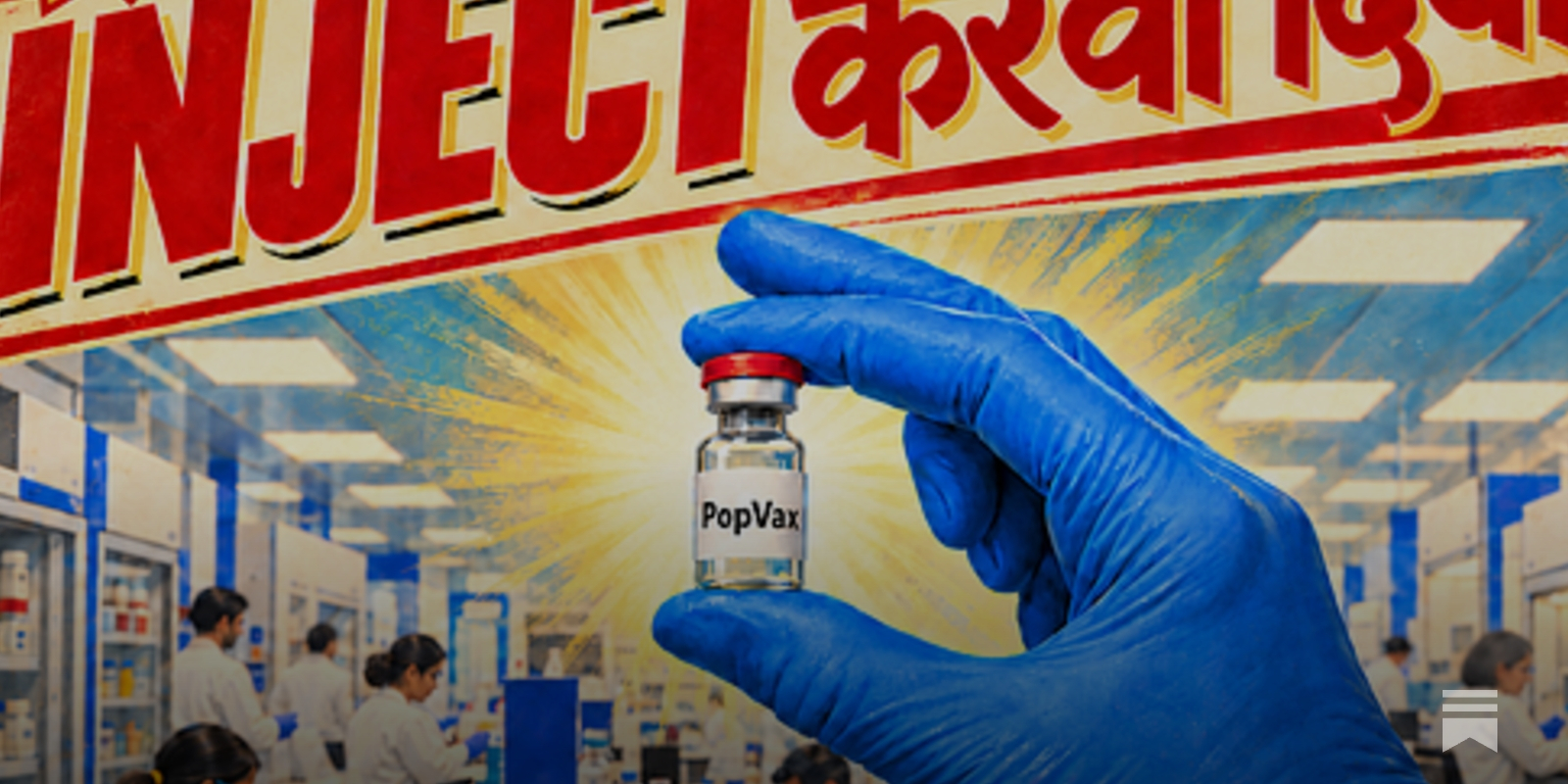
PopVax Goes Clinical
First participants safely dosed in Melbourne, Australia, on August 31, 2026, in the first-in-human trial of our broadly-protective COVID-19 vaccine candidate PVX-001.
Seeing the "shingles vaccine protects from dementia" claim going around again. Unfortunately the main study it's based on is just not convincing. @epiellie.bsky.social has written a great post about why:
Shingles vaccine & dementia prevention: too good to be true?
medium.comAfter decades of mixed results, new evidence suggests stem cells really can help the heart heal. The largest trial yet finds stem cell therapy cuts the risk of heart failure by nearly 60% in the years following a heart attack. newscientist.com/article/2502081-stem-cell-the…

Stem cell therapy lowers risk of heart failure after a heart attack
www.newscientist.comIt worked. Stem cells (mesenchymal) given to patients with a large heart attack reduced major adverse events in a randomized trial vs standard care bmj.com/content/391/bmj-2024-083382
COVID-19 vaccines

Primarily information in the US and Japan
COVID-19 Vaccine Effectiveness and Safety for the 2026-2027 Respiratory Season
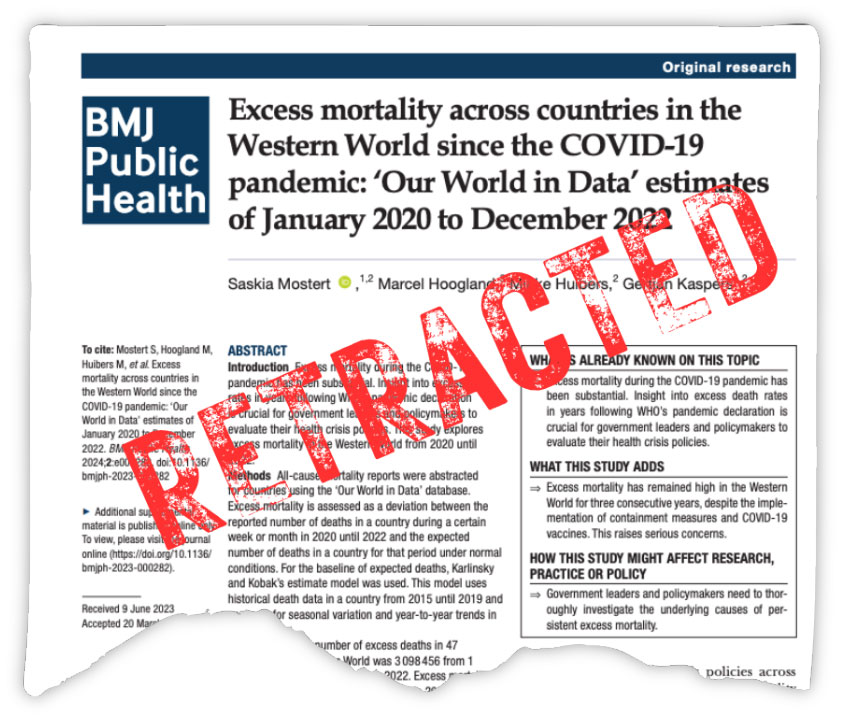
BMJ Group retracts paper on COVID-19 vaccines and mortality featured in Senate hearing
What to Know About New Covid Vaccines for Fall 2026
Underlying Conditions and the Higher Risk for Severe COVID-19


