

"Bread and circuses" except the bread has never been more expensive and the circus is lining the pockets of the oligarchy.

Aaron Rupar
it's notable to me that the administration tried to frame tonight's UFC event as a "gift to Americans" but you can't watch it unless you have a paid subscription to Paramount+
Jun 15, 2026 at 1:53 AM
The Game of Oligarchy | Brewster Kahle's Blog
I just invented and played a game today with my family, and it worked great– it was fun and we learned an important lesson. Similar to the game “Monopoly” which shows that one person ends up monopolizing even though you think the rules are “fair,” the game of Oligarchy shows that the “free market” leads inexorably to one person getting all the money and everyone else going broke. And fast.
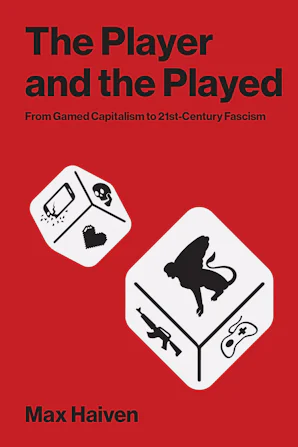
The Player and the Played
In an age when capitalism feels like an unwinnable game, extreme reactionary ideas and politics are on the rise. The Hunger Games, Game of Thrones, Squid Gam...
Pluralistic: Capital formation (14 Aug 2026) – Pluralistic: Daily links from Cory Doctorow
Funny thing about competition: there's both a pro-market and an anti-market case for a competitive system. https://pluralistic.net/2026/08/13/one-chokable-throat/#too-clever-by-half
A quote by Anatole France
The law, in its majestic equality, forbids rich and poor alike to sleep under bridges, to beg in the streets, and to steal their bread.

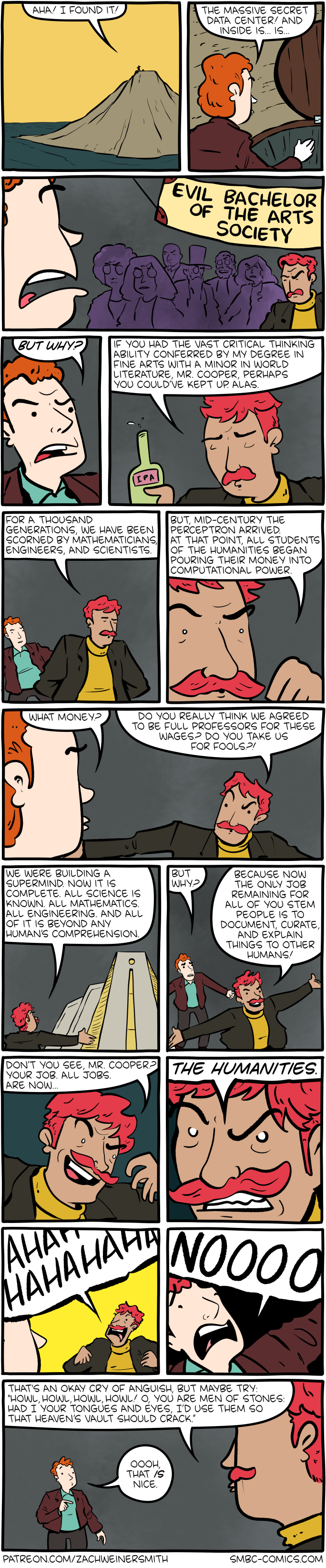
Saturday Morning Breakfast Cereal - Humanity
Saturday Morning Breakfast Cereal - Humanity
annotations: Un bref essai sur les différences entre Marx et Keynes
Traduction française de "A short essay on the differences between Marx and Keynes" de Branko Milanovic
Panzanella
Panzanella, which sounds as though it should be the name of the beautiful heroine in a ballet or a fairy tale, is the word for a damp and tomatoey bread salad from Italy. Not only is it a good way of using bread past its bouncy best, but it is also a jubilant end for a handful of tomatoes so old they're moving beyond ripeness and towards skin-splitting, fuzzy-fleshed maturity.

Opinion | There Are Two Economies: A.I. and Everything Else
This is worse than putting all your eggs in one basket.

Cheyenne Burris on Instagram: "I just love bread …. And @gothgingerspice . . . #bread #funny #alt #breadhead #lgbt"
11K likes, 177 comments - garbageinfluencer on February 2, 2026: "I just love bread …. And @gothgingerspice . . . #bread #funny #alt #breadhead #lgbt".

Unauthorized Bread: Real rebellions involve jailbreaking IoT toasters
Cory Doctorow's book, Radicalized, is up for a CBC award. To celebrate, here's an excerpt.

Half-Baked Product
A fable about ovens, founders, and the second-highest priority that never gets done.
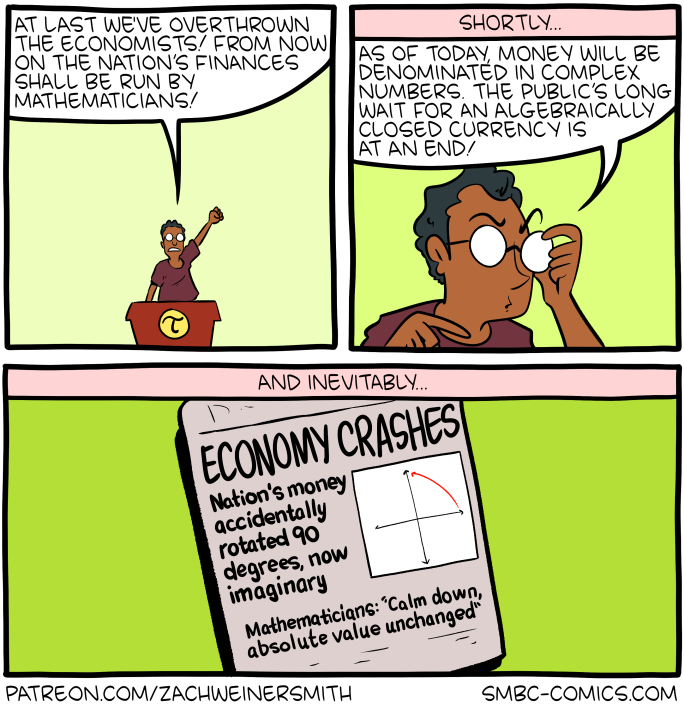
Saturday Morning Breakfast Cereal - Imagine
Saturday Morning Breakfast Cereal - Imagine
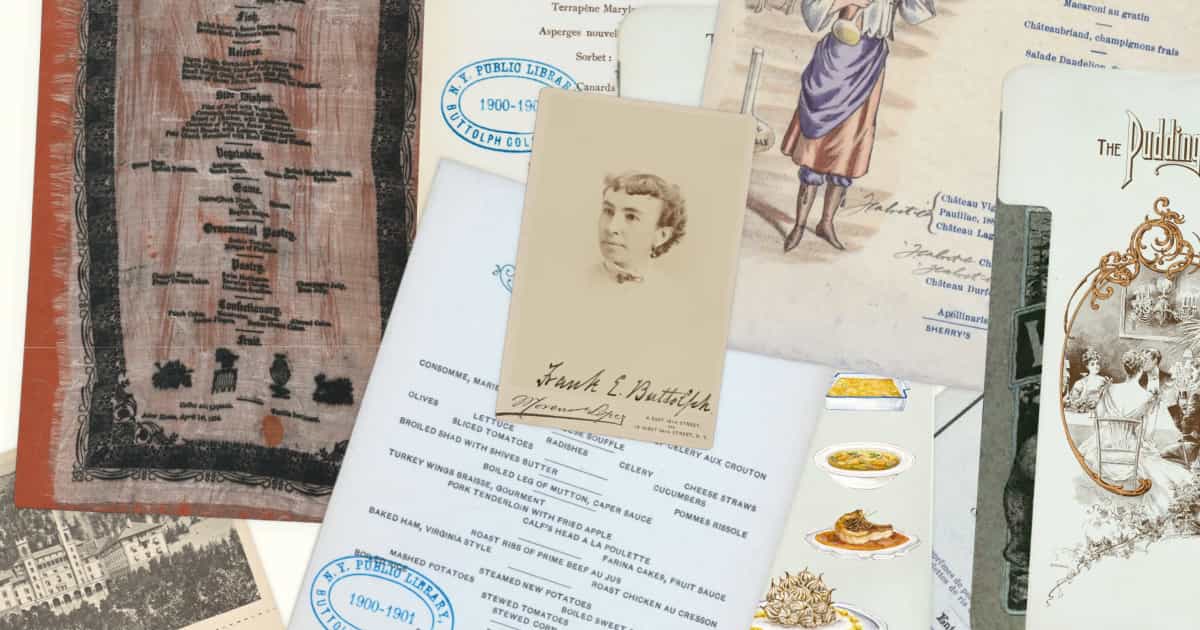
A History of Menus is a Menu of History
What do America’s earliest restaurant menus teach us about America?
"ATProto could usher in one of the largest redistributions of wealth in modern history" is an eye opening and not unrealistic claim to make if we all make this thing work.

Exploring the Frontier of Feeds - The Open Garden
jshaked.leaflet.pub
