

interesting to see them citing the meta-crisis and failure to address it as a prime reason for moving on - "our wisdom must grow in equal measure to our capacity to affect the world, lest we face the consequences" raising meta-crisis awareness among AI researchers is a great way to reduce x-risk 👍 >

norvid_studies
another one for the scrapbook @gracekind.net
Feb 11, 2026 at 8:37 PM
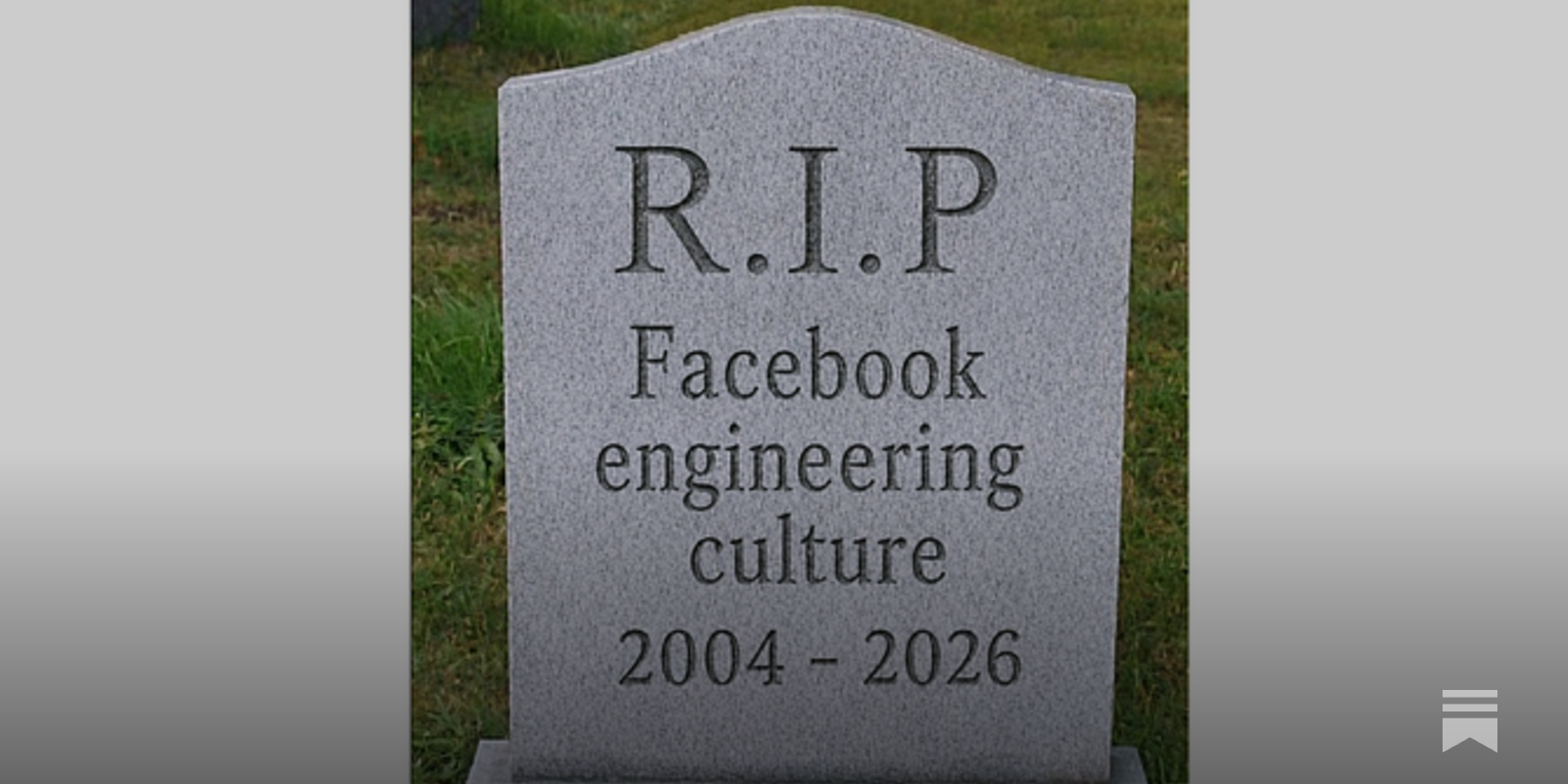
Why is Meta destroying its engineering organization?
Leadership at the social media giant has been on an AI-fueled rampage through its engineering org. We report what’s happened
Your Favorite Science YouTubers Are Wrong About AI, (e.g. SciShow, Kurzgesagt, and Kyle Hill )
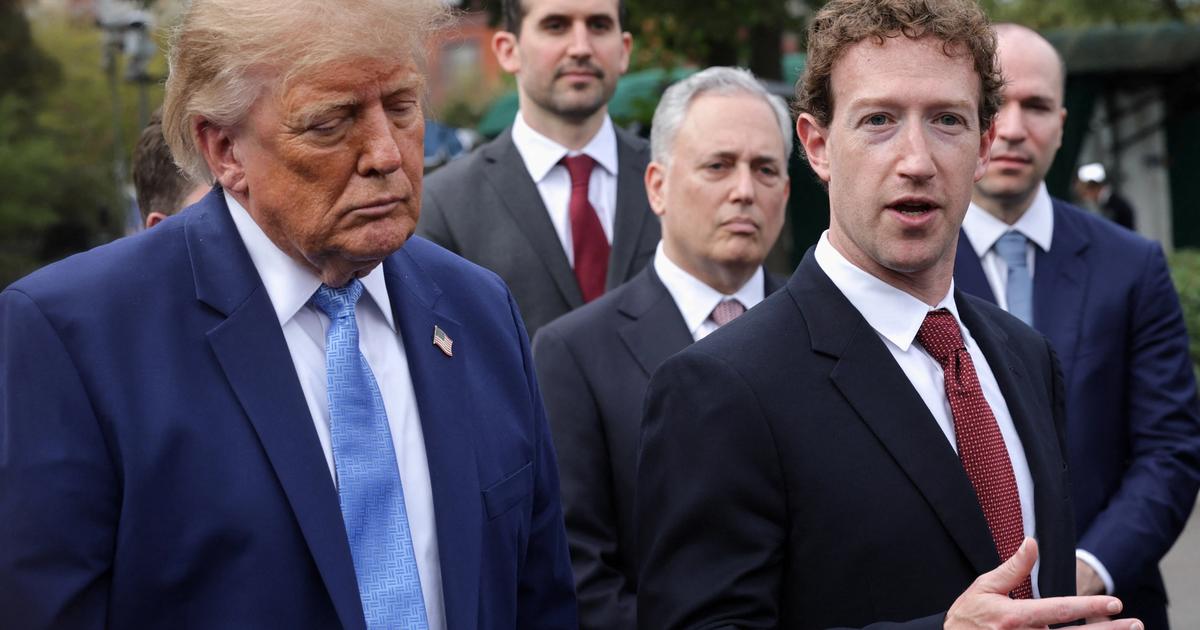
Exclusive: Meta’s Mark Zuckerberg quietly shaped Trump’s AI pact
Meta’s flailing AI efforts — until the recently release of its Muse assistant — had clouded the extent of Zuckerberg’s influence on the debate surrounding the technology.
The Extinction Risk Preference Cascade: Quotes
These are quotes from OpenAI, Anthropic and Google employees, in the wake of Jacob Coxon’s warnings, in which the employees confirm that they think AI might soon kill everyone.

Meta Research News | Meta Research
At Meta, research permeates everything we do. We believe the most interesting research questions are derived from real world problems.

AI Safety Is a Narrative Problem · Special Issue 5: Grappling With the Generative AI Revolution
This op-ed explores power and narrative dynamics around AI. Drawing on pop-culture references, the professional experiences of the author and examples from 2023’s “Great AI Safety Hype Roadshow,” this piece draws on the literary criticism technique of practical criticism to consider how speeches and announcements from both Silicon Valley executives and research scientists to interrogate the media-friendly nature of p(doom) discourse—which focuses on the existential risks of AI (PauseAI, 2023)—and its likely consequences. The complexities of AI and its numerous social impacts can be difficult for even the most expert analyst to unpack. In spite of this, the potential of “existential threats” has successfully cut through to become a mainstay of mainstream media coverage over the last year. This piece will make the case that this is an effective narrative conceit that has achieved a number of ends that traditional science communication tends to find difficult, if not impossible, to achieve. Firstly, it is easy to understand. Simplification of this nature—that removes jargon and complexity and focuses on a single outcome—is much easier to fit on a TV rolling news ticker or on the cover of a tabloid newspaper than more well-balanced, representative opinions. Secondly, it inherits prior assumptions from well-known dramatic forms. P(doom) plays to stories familiar from Greek tragedy through to Marvel movies, in which lone male heroes battle ineluctable forces. Thirdly, it is imbued with urgency and so becomes difficult to ignore.
What it means that the AI research community can't quit twitter - rl-blogging
Some quickly jotted thoughts working through the implications
Ethical AI Departures — Who Quit OpenAI, Google, Anthropic Over Safety Concerns
59 researchers and executives who quit or were fired from OpenAI, Google DeepMind, Anthropic, Meta, and xAI over AI safety concerns. Sourced departures, writings, and prediction tracking.
Metacrisis and AI governance
Metacrisis and AI governance Jonah Wilberg, September 2025

Zero-Click Readership: Are AI Overviews Changing the Way We Discover Research - The Scholarly Kitchen
Today's post asks: If research is increasingly accessed through AI-generated summaries rather than via primary sources, then what does it mean to “engage with research” at all?

AI Is a Mass-Delusion Event
Three years in, one of AI’s enduring impacts is to make people feel like they’re losing it.
Quoted (with @zephoria.bsky.social and Jeff Hancock) in this @acm.org article about what happens when people retreat to AI over their social interactions -- the loss of friction, trust, and effort could be devastating. 1/ cacm.acm.org/news/is-ai-creating-a-culture…
Is AI Creating a Culture of Avoidance? – Communications of the ACM
cacm.acm.orgI‘m far from an AI doomer, but it is amazing how many serious voices — on LinkedIn, no less! — are sharing stories about how AI slop is quickly becoming one of the top problems they see in academic writing and research “AI will 10x our research!” doesn’t seem to be surviving encounters with reality
I‘m far from an AI doomer, but it is amazing how many serious voices — on LinkedIn, no less! — are sharing stories about how AI slop is quickly becoming one of the top problems they see in academic writing and research “AI will 10x our research!” doesn’t seem to be surviving encounters with reality


