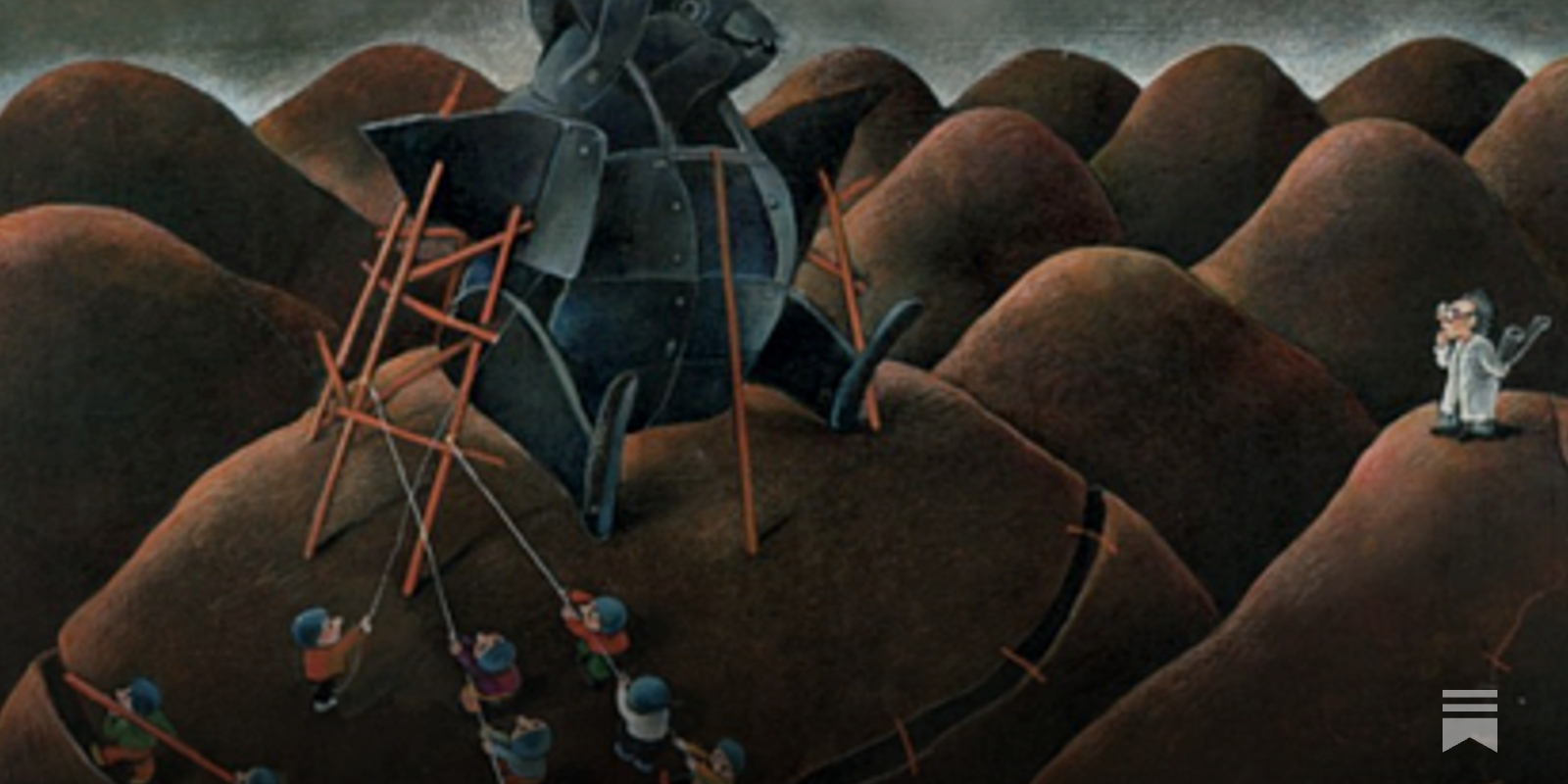
"Powerful AI can statically help human decision-makers, but can harm collective knowledge building... it can lead to what we call “knowledge collapse” whereby in the long-run all human knowledge is ultimately destroyed.” economics.mit.edu/sites/default/files/2026-02/A…
Feb 27, 2026 at 9:39 PM
AI FOR EPISTEMICS & COORDINATION
Civilization and technology have radically improved the human condition. Nonetheless, the world sometimes goes in directions which essentially nobody would prefer — e.g., nuclear arms races, unexpected financial crashes, predatory marketing, or ubiquitous political misinformation.
Knowledge Collapse
AI companies are racing to mechanize mathematics. Where does that leave human understanding?
AI Epistemic Risks: Emerging Mechanisms & Evidence
<p>Advances in artificial intelligence pose risks to humanity's collective capacity to form accurate beliefs, reason well, and maintain a healthy information en

AI and the knowledge commons
AI, Human Cognition and Knowledge Collapse
We study how generative AI, and in particular agentic AI, shapes human learning incentives and the long-run evolution of society’s information ecosystem. We bui
AI, Human Cognition and Knowledge Collapse
We study how generative AI, and in particular agentic AI, shapes human learning incentives and the long-run evolution of society’s information ecosystem. We bui
The AI productivity myth is more harmful than you think
Perceived productivity may be up thanks to AI, but there's debt collecting in the shadows.
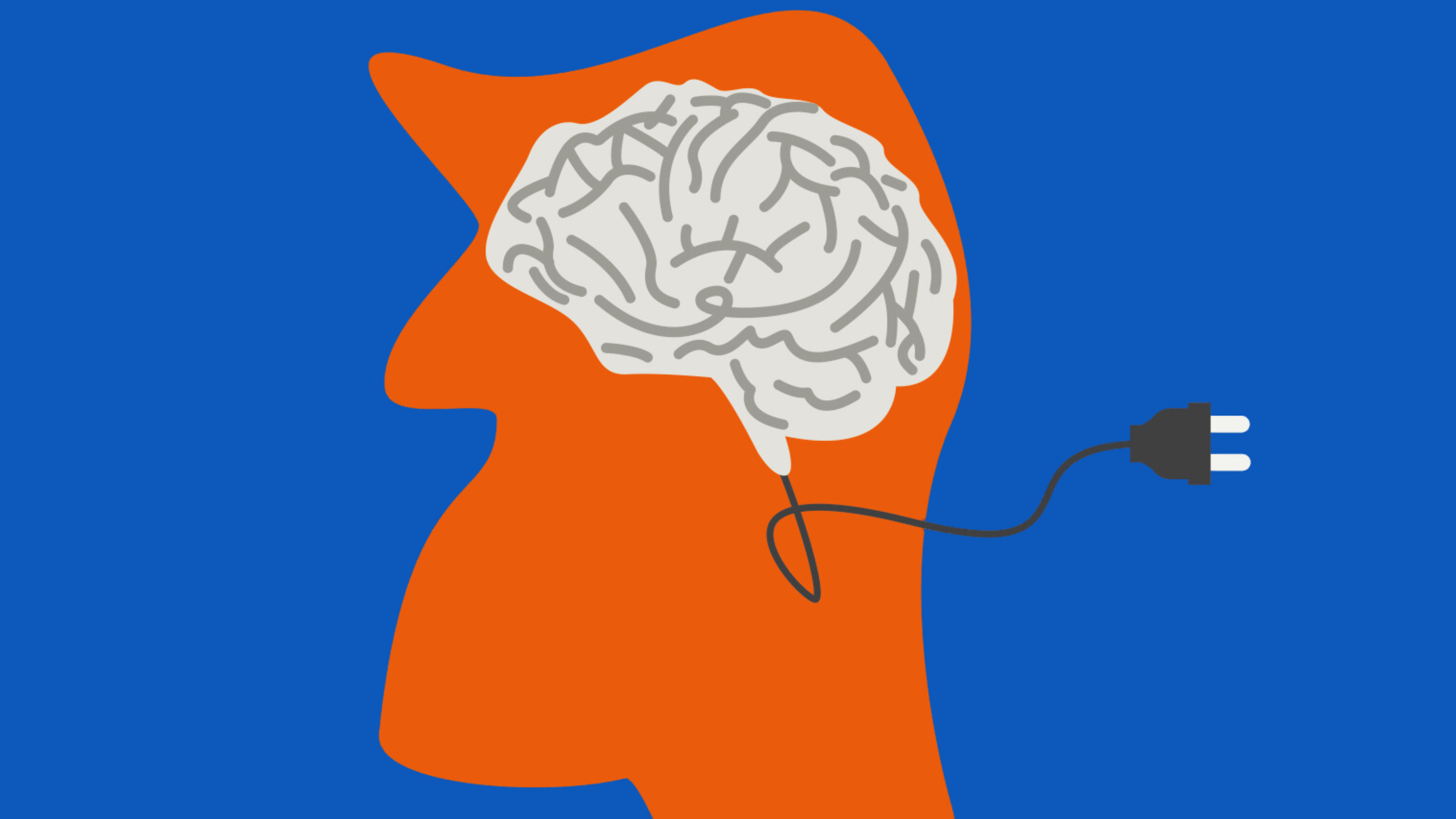
"AI" is Automated Inequality
Tech bros still dominate the discussions about so-called "AI" with false claims. Even most "AI"-critical researchers spend much of their time meticulously debunking (always only a subset of) claims, leaving vast areas of the economic consequences of "AI" unexplored. (Even the "AI"-evangelist Economi

Gradual disempowerment | 80,000 Hours
The proliferation of advanced AI systems may lead to the gradual disempowerment of humanity, even if efforts to prevent them from becoming power-seeking or scheming are successful. Humanity may be incentivised to hand over increasing amounts of control to AIs, giving them power over the economy, politics, culture, and more. Over time, humanity's interests may be sidelined and our control over the future undermined, potentially constituting an existential catastrophe. There's disagreement over how serious a problem this is and how it relates to [other concerns about AI alignment](https://80000hours.o

AI Is a Product of Humanity. Humanity Should Own AI.
Big Tech has looted humanity’s creative output to create artificial intelligence. We don’t just deserve a share of AI’s profits — we deserve control over it.

The Impact of Artificial Intelligence on Human Thought
This research paper examines, from a multidimensional perspective (cognitive, social, ethical, and philosophical), how AI is transforming human thought. It highlights a cognitive offloading effect: the externalization of mental functions to AI can reduce intellectual engagement and weaken critical thinking. On the social level, algorithmic personalization creates filter bubbles that limit the diversity of opinions and can lead to the homogenization of thought and polarization. This research also describes the mechanisms of algorithmic manipulation (exploitation of cognitive biases, automated disinformation, etc.) that amplify AI's power of influence. Finally, the question of potential artificial consciousness is discussed, along with its ethical implications. The report as a whole underscores the risks that AI poses to human intellectual autonomy and creativity, while proposing avenues (education, transparency, governance) to align AI development with the interests of humanity.

AI May Be Atrophying Our Brains, Professor Warns
AI may soon ruin our ability to make decisions for ourselves — an outcome that would be, one expert warns, "catastrophic."
The politics and possibilities of ‘AI could kill us all’
AI will not exterminate the human race. But what big tech really *is* doing is bad enough that the notion may help fuel the movement against it.
AI for Science & Safety Nodes - Request for Proposals
Artificial intelligence is accelerating the pace of discovery across science and technology. But today’s AI ecosystem risks centralizing compute, talent, and decision-making power – concentrating capabilities in ways that could undermine both innovation and safety.

Will AI ruin the social sciences — or revolutionize them?
The technology can whip up spurious findings and pollute survey responses, but it could also make research more rigorous.
AI is not superhuman
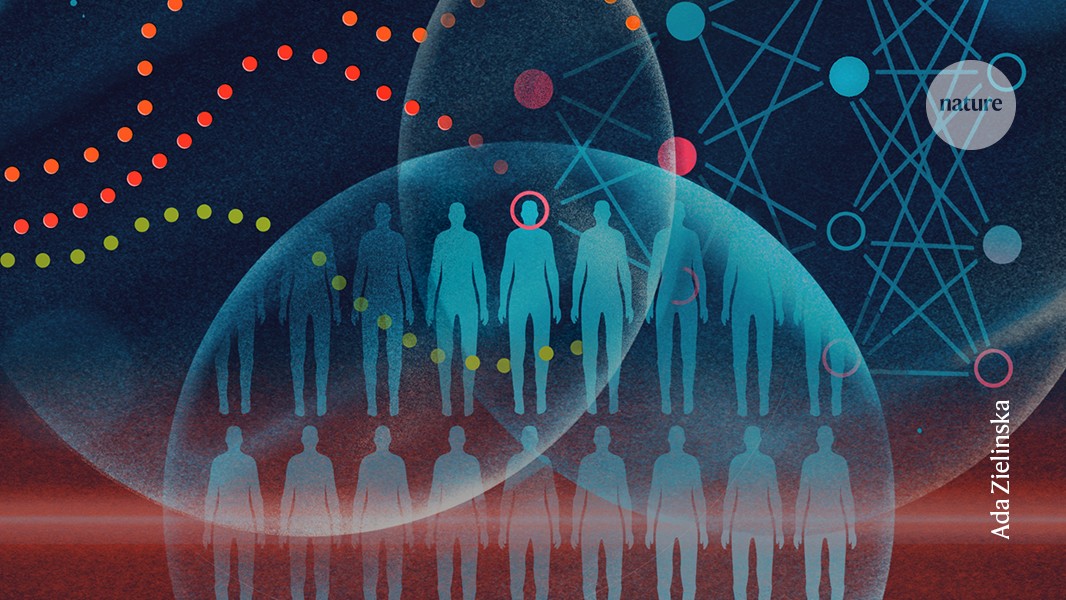
What metaphor should drive the field of AI research?