

This, and even more - to get super-rich almost requires *suppressing* the cultivation of a self or interiority. “Our system produces, elevates, and rewards psychopaths.” x.com/uTobian/status/20412132683884…

Levi Stahl
The empty boredom of the super-rich who never had to cultivate a self or interiority is the root cause of so many of our problems.
Jun 21, 2026 at 2:34 PM
A psychologically rich life: Beyond happiness and meaning.
being too ambitious is a clever form of self-sabotage
on starting, doing, being, and becoming.

How Wealth Reduces Compassion
As riches grow, empathy for others seems to decline

Why the super rich are inevitable
Why some mathematicians argue the economy is designed to create a few super rich people – unless we stop it.
The Psychology of Inequality
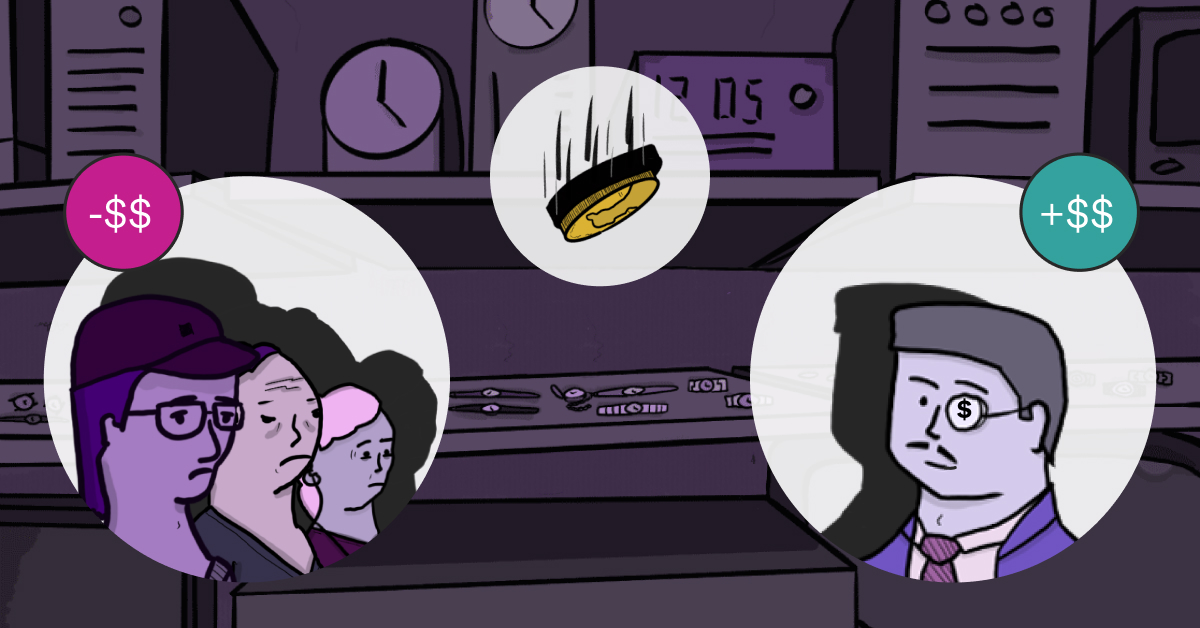
Researchers find that much of the damage done by being poor comes from feeling poor.

Could Shades of Asperger’s be the Secret to Becoming a Billionaire?
Success always leaves clues…
Successful People With ADHD Superpowers
Explore stories of successful people who have harnessed their ADHD superpowers to achieve greatness.

The ‘Shamanification’ of the Tech CEO
From fruit-only diets to dopamine fasting, Silicon Valley founders flaunt self-deprivation like a misguided pursuit of wellness. But there’s more to it.

Capital Must Seek Delight
Too few people are experiencing the delights and serendipity of AI, causing capital misallocation

Revisiting evidence for an attentional tunneling effect caused by scarcity
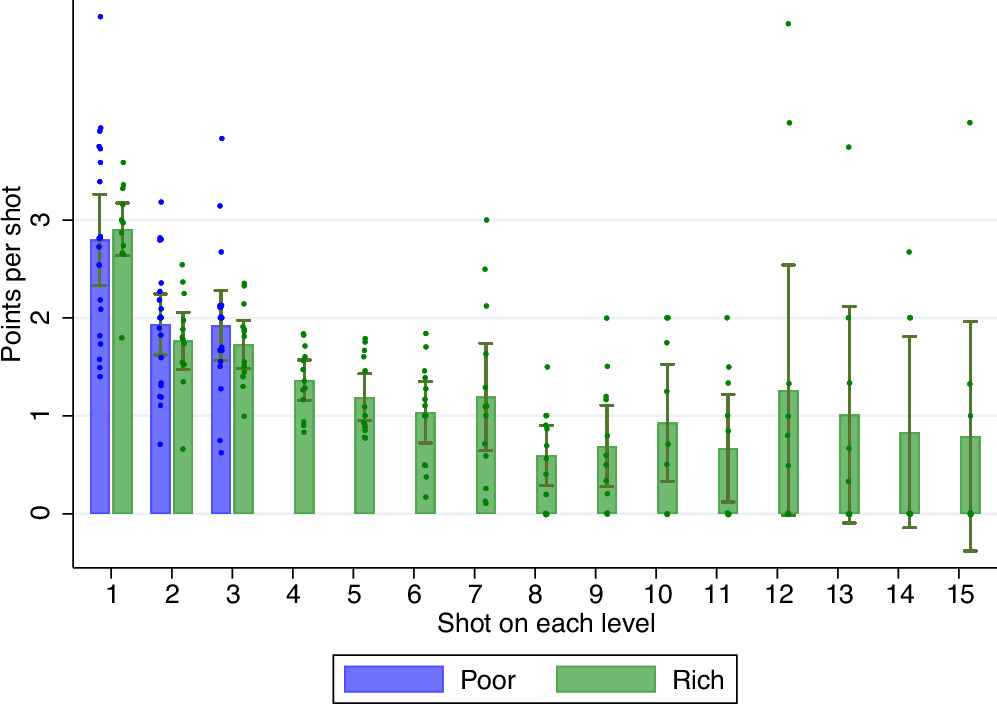
People in poverty sometimes behave in ways that perpetuate their socioeconomic condition. By one influential account, these behaviors arise from psychological effects of scarcity on attention that create greater focus toward managing scarce resources, at the cost of attention to potentially-beneficial information outside of this ‘tunnel’. Although the tunneling hypothesis has been widely discussed in academia and beyond, its direct empirical support derives primarily from a landmark study by Shah et al. (2012) in which participants played games while their access to resources was experimentally manipulated, rendering participants either ‘rich’ or ‘poor’. Here, we present new analyses that contest the original interpretation of the data, showing that the behavioral differences between ‘rich’ and ‘poor’ participants are more parsimoniously explained by the game’s structure than by an attentional shift caused by the scarcity manipulation—a conclusion we substantiate through an additional experiment. We contextualize our findings within the literature on scarcity and attention, and highlight the need for greater clarity regarding the tunneling hypothesis itself.
The attention market—and what is wrong with it
Attention is described as a “scarce commodity” that is traded in “a marketplace.” This, it is further claimed, contributes to a “widespread sense of attentional crisis.” But is there really an attention market, and if so, what, if anything, is wrong with it? We defend the claim that there are markets in attention. We provide an account of such attention markets and use that account to address what is morally wrong with them. Our account draws on knowledge of how attention works and what roles it plays in the mind. The attention market trades in an ability to influence our attention – somewhat (though not exactly) like the labor market trades in an ability to influence how we use our capacity for work. Specifically, the commodity it trades in is attentional landscaping potential, viz. the ability to systematically influence patterns of attention by changes to the sensory environment individuals are exposed to. Attention markets thus, we argue, commodify influence over a human capacity that plays a central role in shaping individual experience, agency, and belief formation. This feature of attention markets makes them ethically problematic. As markets in access to external influence, attention markets pose a special threat to individual autonomy and escape the classical liberal defense of free markets. Those who value autonomy should worry about the attention markets that exist today.

How Spiritual Snobs Became the New One Percent
In Silicon Valley, Hollywood and New York’s corridors of power, enlightenment isn’t just a higher power—it’s now a status symbol and bragging right.

Why efficiency is dangerous and slowing down makes life better | Psyche Ideas
The urge to do everything faster and better is risky. Far wiser to do what’s good enough for the range of possible futures

Systems: How the Ultra-Wealthy Think About Money - Anil Dash
A blog about making culture. Since 1999.

A belief in meritocracy is not only false: it’s bad for you | Aeon Ideas
The belief that hard work and talent make for success is not only false, it encourages selfishness and discrimination too

The myth of self-control
Psychologists say using willpower to achieve goals is overhyped. Here’s what actually works.

