

People Who Can't Visualize Anything Are Challenging a 300-Year-Old Theory of Thought
Mental imagery might not be as central to complex human thought as we believed, philosophers say.

Visual design rules you can safely follow every time
You do not have to follow these rules every time. If you have a good reason to break any of them, do. But they are safe to follow every time.
Situational Blindness
This response may be read as a standalone piece, though it will of course be more meaningful if you read the original article first.
Visual Variables
Visual variables are “the differences in map elements as perceived by the human eye” (wiki.gis.com). No matter what the type of map, these are the fundamental ways in which graphic symbols can be distinguished.
Where to Find the Colors Your Screen Can’t Show You
An atlas of the vibrance of the real world

Where to Find the Colors Your Screen Can’t Show You
An atlas of the vibrance of the real world
aesthetics
Aesthetics is relevant to many aspects of computing. Here, we are mostly concerned of the superficial visual appearances and their technological bases.
Defense Against Dishonest Charts
This is a guide to protect ourselves and to preserve what is good about turning data into visual things.
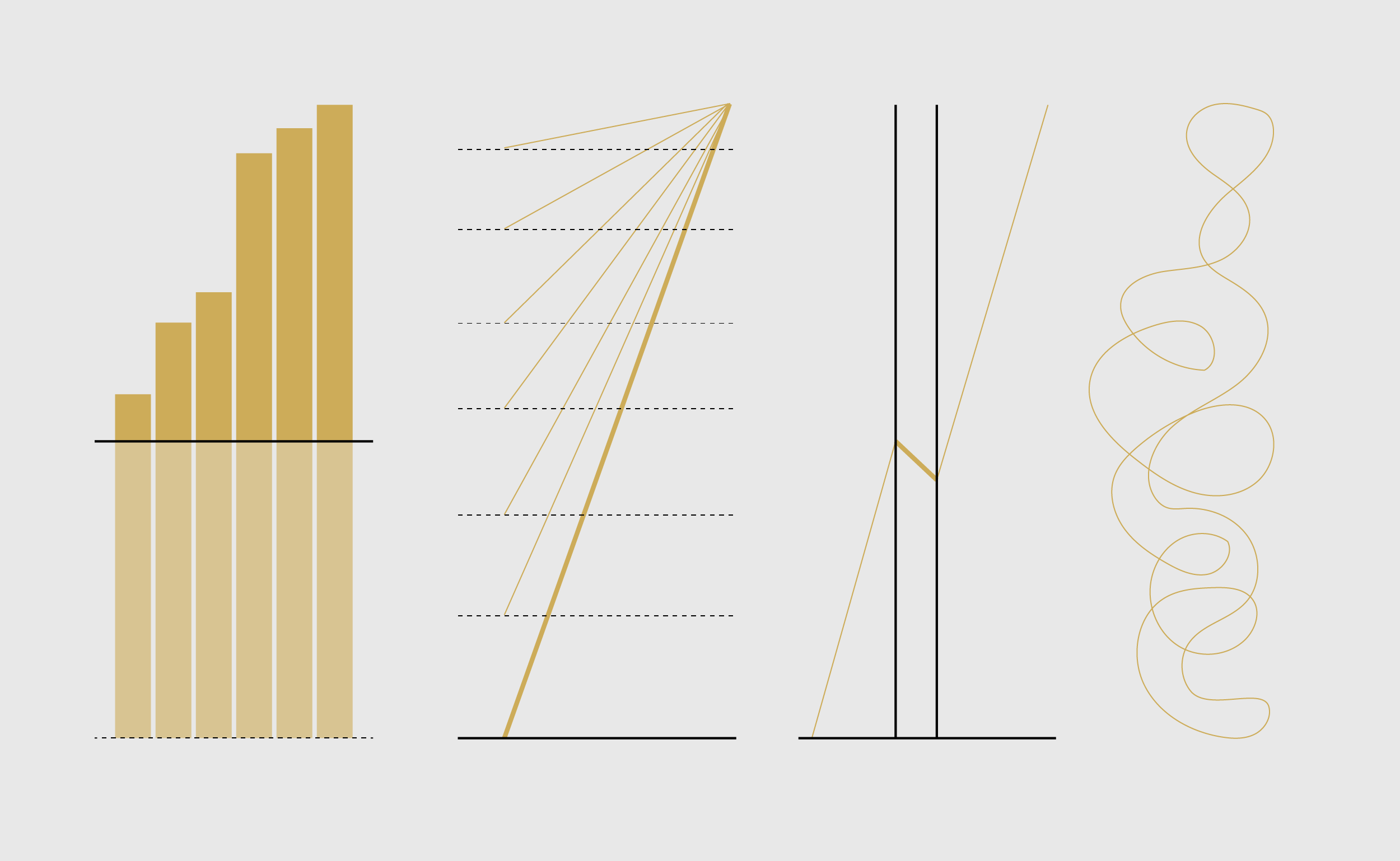
Prof. Judy Fan: Cognitive Tools for Making the Invisible Visible
Prof. Judy Fan: Cognitive Tools for Making the Invisible Visible
On Software, or the Persistence of Visual Knowledge
Wendy Hui Kyong Chun; On Software, or the Persistence of Visual Knowledge. Grey Room 2005; (18): 26–51. doi: https://doi.org/10.1162/1526381043320741


Visual language
A visual language is a system of communication using visual elements. Speech as a means of communication cannot strictly be separated from the whole of human communicative activity which includes the visual and the term 'language' in relation to vision is an extension of its use to describe the perception, comprehension and production of visible signs.


