

Meet Ed Zitron, AI’s original prophet of doom - Fast Company
Zitron has built a small media empire on spleen-venting rants arguing that AI is not only a bubble but a fraud—one that’s headed for a spectacular crash. What if he’s right?
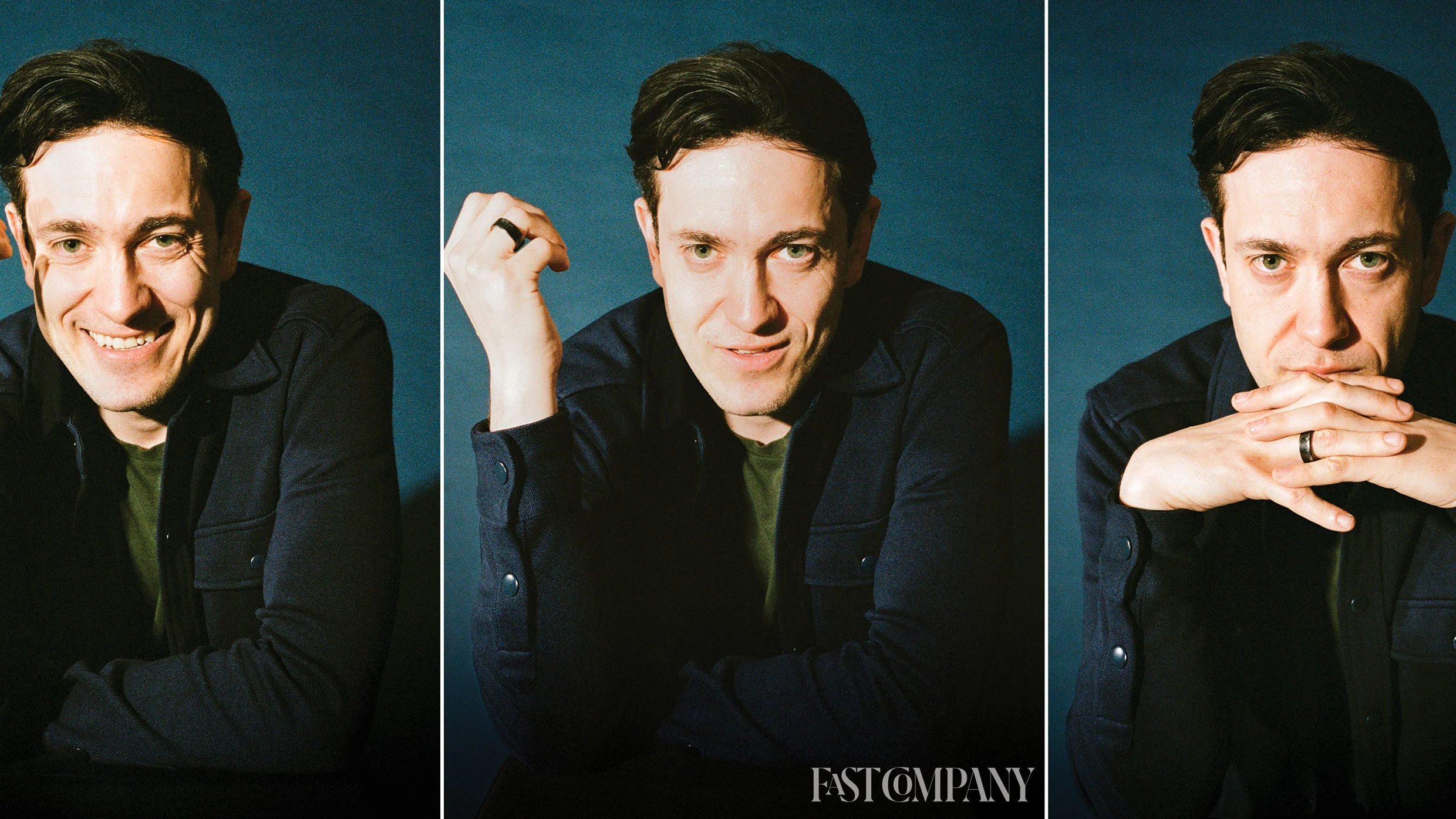
Ed Zitron on big tech, backlash, boom and bust: ‘AI has taught us that people are excited to replace human beings’
His blunt, brash scepticism has made the podcaster and writer something of a cult figure. But as concern over large language models builds, he’s no longer the outsider he once was

Ed Zitron Just Disproved the Core Claim Behind His AI Bubble Case
OpenAI financial data leaked to the industry’s biggest hater settles an open question — just not in his favor

AI skeptic Ed Zitron says Industry is scamming us into poverty
Ed Zitron joins The 1600 to bust the myths and fairy tales coming from our AI overlords.
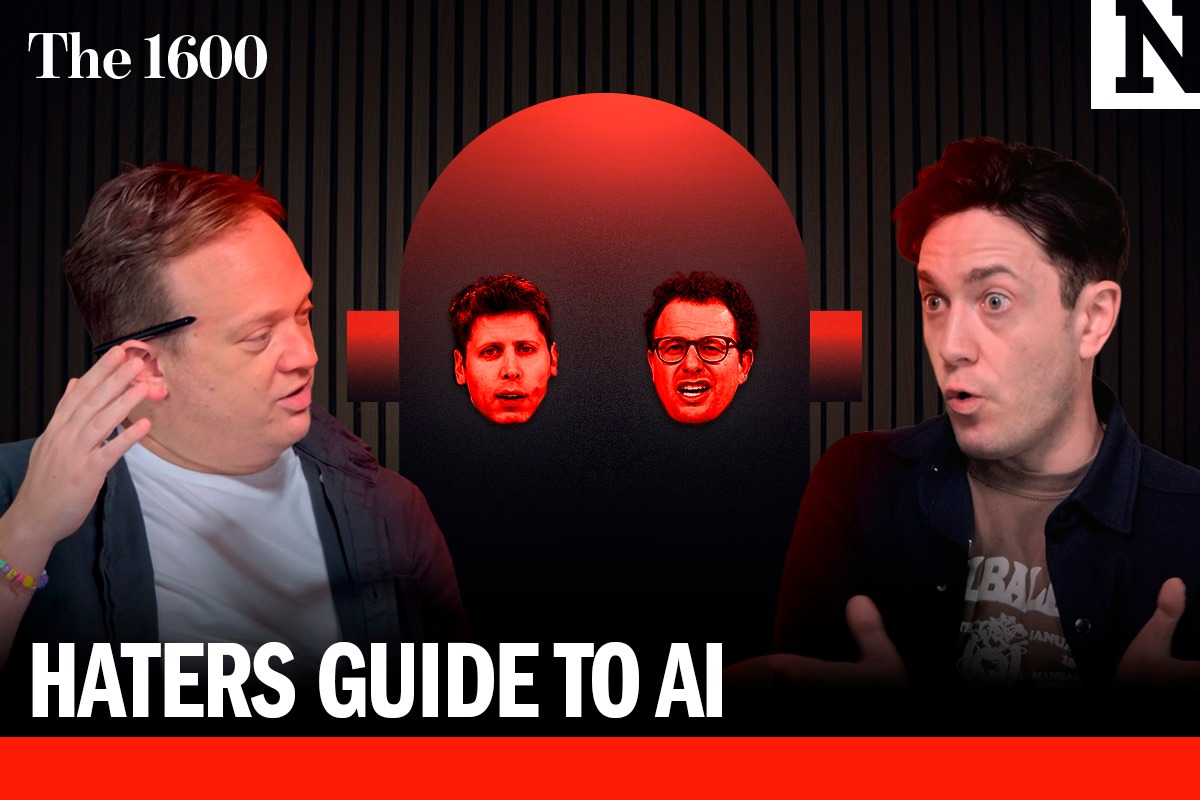
Zitron: "Everyone Has Been Sold a Lie" on AI
Andrew Orlowski on Twitter / X
By far the shrewdest and most entertaining analyst of the AI bubble is Georg Zoeller, ex Facebook. Re-reading his DeepSeek reaction piece from 18 months, which holds up well. It was all so predictable: banning open source, the Red Menace, pivot to military. What has really… pic.twitter.com/38dX7vcrkC— Andrew Orlowski (@AndrewOrlowski) July 5, 2026

Ed Zitron's AI prediction track record
Your Favorite Science YouTubers Are Wrong About AI, (e.g. SciShow, Kurzgesagt, and Kyle Hill )
AI is probably not a bubble
AI companies have revenue, demand, and paths to immense value
AI is probably not a bubble
AI companies have revenue, demand, and paths to immense value
"AI" is Automated Inequality
Tech bros still dominate the discussions about so-called "AI" with false claims. Even most "AI"-critical researchers spend much of their time meticulously debunking (always only a subset of) claims, leaving vast areas of the economic consequences of "AI" unexplored. (Even the "AI"-evangelist Economi
AI is now unpopular. That may not make a difference.
Watching the Generative AI Hype Bubble Deflate – Ash Center
As a part of the Allen Lab’s Political Economy of AI Essay Collection, David Gray Widder and Mar Hicks draw on the history of tech hype cycles to warn against the harmful effects of the current generative AI bubble.
Exploring AI’s growing role in scientific peer review
Stanford computer scientist James Zou discusses AI’s strengths at spotting errors and limitations in judging research significance.
