

AI Companies Should Report Pre- and Post-Mitigation Safety Evaluations
The rapid advancement of AI systems has raised widespread concerns about potential harms of frontier AI systems and the need for responsible evaluation and oversight. In this position paper, we argue that frontier AI companies should report both pre- and post-mitigation safety evaluations to enable informed policy decisions. Evaluating models at both stages provides policymakers with essential evidence to regulate deployment, access, and safety standards. We show that relying on either in isolation can create a misleading picture of model safety. Our analysis of AI safety disclosures from leading frontier labs identifies three critical gaps: (1) companies rarely evaluate both pre- and post-mitigation versions, (2) evaluation methods lack standardization, and (3) reported results are often too vague to inform policy. To address these issues, we recommend mandatory disclosure of pre- and post- mitigation capabilities to approved government bodies, standardized evaluation methods, and minimum transparency requirements for public safety reporting. These ensure that policymakers and regulators can craft targeted safety measures, assess deployment risks, and scrutinize companies’ safety claims effectively.
AI Standards Lab
AI safety standards worldwide must keep up with the rapid development and deployment of AI technology. Our mission is to help accelerate the writing of AI safety standards.
SIAI Critique (Singularity Institute for Artificial Intelligence)
This is a fundamental error in the SIAI analysis. CFAI 4.2.1 says "If an effort to get Congress to enforce any set of regulations were launched, I would expect the final set of regulations adopted to be completely unworkable." It further says that government regulation of AI is unnecessary because "The existing force tending to ensure Friendliness is that the most advanced projects will have the brightest AI researchers, who are most likely to be able to handle the problems of Friendly AI." History vividly teaches the danger of trusting the good intentions of individuals.
California Enacts SB 574, Nation’s First Law Governing Attorneys’ Use of Generative Artificial Intelligence | Insights | Ropes & Gray LLP
California's SB 574, signed Sept. 30, 2026 and effective Jan. 1, 2027, is the first state law setting standards for attorneys' use of generative AI.
Anthropic quietly pitches its own AI safety bill to lawmakers
The draft proposal would limit the circumstances in which the government could block the release of an advanced model and preempt some state AI safety laws.
AI Safety Is Mostly A Sex Cult In Berkeley, California
These people shouldn’t make policy.

Safety cases at AISI | AISI Work
As a complement to our empirical evaluations of frontier AI models, AISI is planning a series of collaborations and research projects sketching safety cases for more advanced models than exist today, focusing on risks from loss of control and autonomy. By a safety case, we mean a structured argument that an AI system is safe within a particular training or deployment context.

Gov. Pritzker Signs Nation-Leading Artificial Intelligence Safety Law
Landmark bipartisan legislation creates the country's strongest AI accountability framework while supporting responsible innovation
A brief history of AI executives calling for regulation
The industry is in a panic, but it’s been claiming to want legal guardrails for years — with few meaningful results.

AI Safety Is Mostly A Sex Cult In Berkeley, California
We might some day have “AI Safety”, as a science or policy area, that is not primarily a sex cult in Berkeley, California, but it does not currently exist.

Clear, Compelling Arguments: Rethinking the Foundations of Frontier AI Safety Cases
This paper contributes to the nascent debate around safety cases for frontier AI systems. Safety cases are structured, defensible arguments that a system is acceptably safe to deploy in a given context. Historically, they have been used in safety-critical industries, such as aerospace, nuclear or automotive. As a result, safety cases for frontier AI have risen in prominence, both in the safety policies of leading frontier developers and in international research agendas proposed by leaders in generative AI, such as the Singapore Consensus on Global AI Safety Research Priorities and the International AI Safety Report. This paper appraises this work. We note that research conducted within the alignment community which draws explicitly on lessons from the assurance community has significant limitations. We therefore aim to rethink existing approaches to alignment safety cases. We offer lessons from existing methodologies within safety assurance and outline the limitations involved in the alignment community's current approach. Building on this foundation, we present a case study for a safety case focused on Deceptive Alignment and CBRN capabilities, drawing on existing, theoretical safety case "sketches" created by the alignment safety case community. Overall, we contribute holistic insights from the field of safety assurance via rigorous theory and methodologies that have been applied in safety-critical contexts. We do so in order to create a better foundational framework for robust, defensible and useful safety case methodologies which can help to assure the safety of frontier AI systems.

Transparency Report Update: January – June 2025
The Automattic Trust and Safety team’s vision is to maintain safety while democratizing publishing. Earlier this year, we established five pillars that underpin our intent: user rights, safety by d…

AI Meeting Recording Laws by State: Complete Guide (2026)
Are AI meeting recorders like Otter.ai and Fireflies legal? State-by-state consent laws, penalties, and compliance guide for AI transcription tools in 2026.

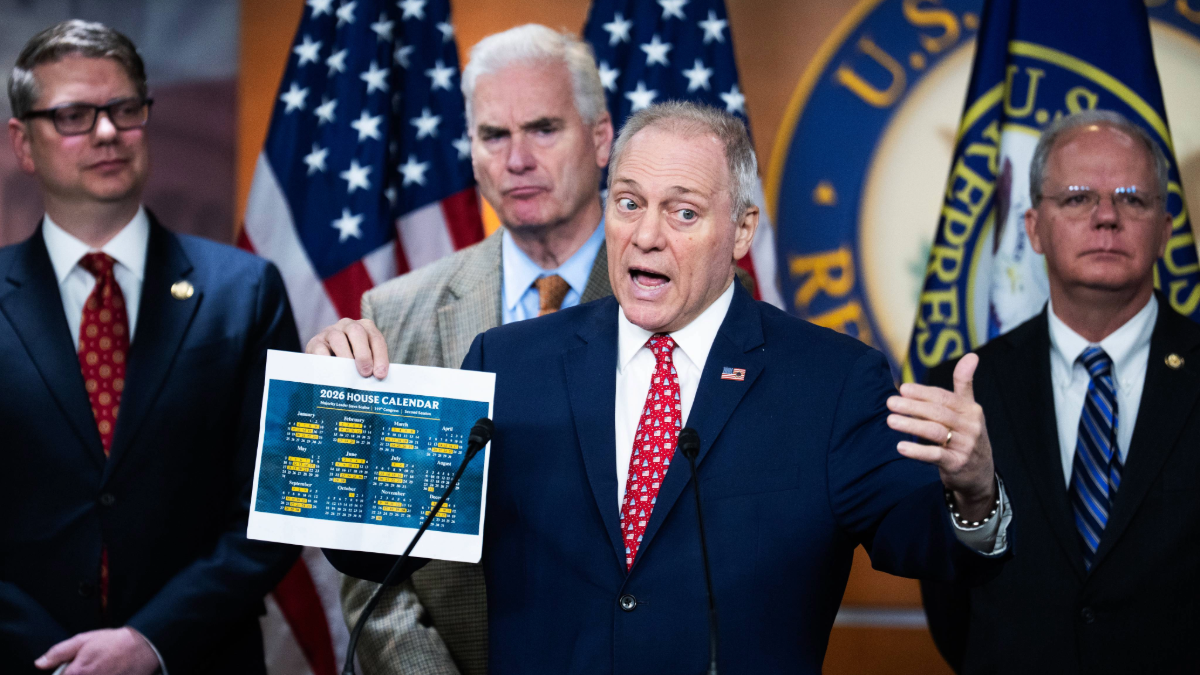
It’s Back. Congress Gears Up for Year-End Fight Over Moratorium on AI Laws. | TechPolicy.Press
A proposed federal moratorium on enforcement of state AI laws failed last summer, but lawmakers have resurrected the idea, writes Cristiano Lima-Strong.
White House proposes voluntary safety and transparency rules around AI | TechCrunch
The White House proposed what it calls an "AI Bill of Rights" to protect against algorithmic ills. But it's voluntary -- and far from the first of its kind.
AI* laws/regulations/safety standards

Specific examples * I’m neither “pro-AI” nor “anti-AI.” I’ve been blocked for being perceived as both. —Actually, I’m honestly more anti-AI than pro-AI thus far, aside from specialized models and specific use cases, but I’m willing to consider information that’s new to me

China has cracked down on AI relationships. Is it ahead of the game?
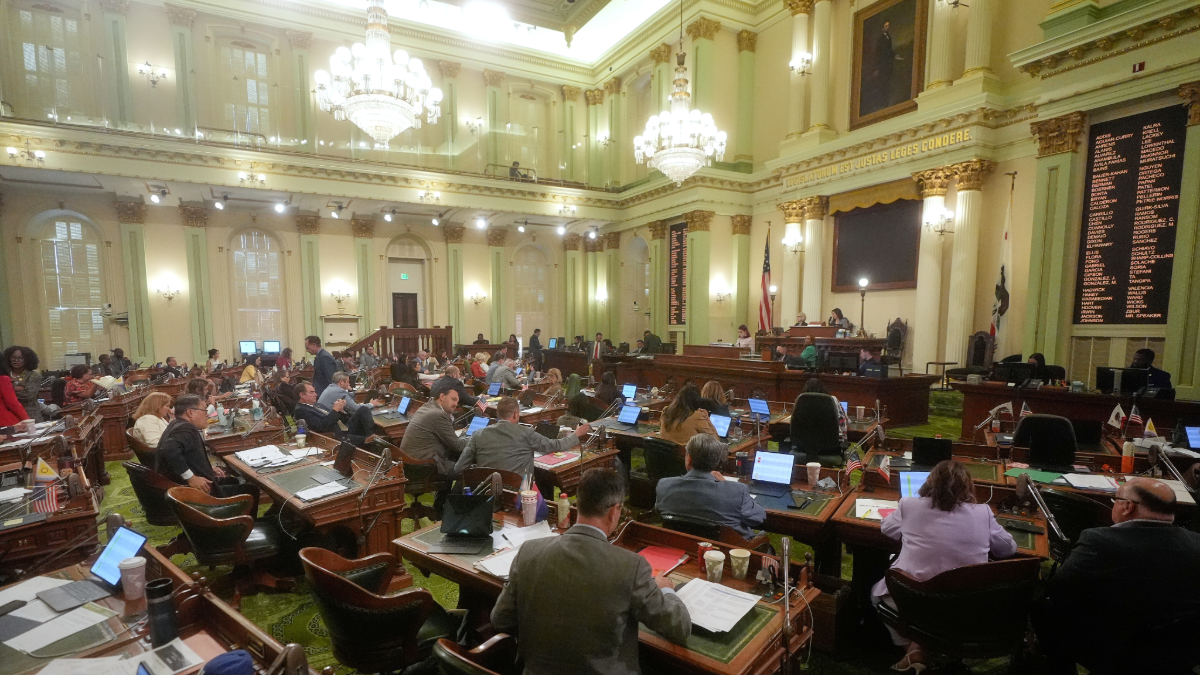
California Leads the Way With New Slate of AI Bills

California enacts laws restricting chatbots and banning teens from ‘addictive’ social media
consultations.tga.gov.au
法務省:肖像、声等の無断利用による民事責任の在り方に関する検討会

声も「人格の象徴」明記、法務省 AI偽動画公開は権利侵害 | NEWSjp