


Picatrix: A Medieval Treatise on Astral Magic Translated with an introduction by Dan Attrell and David Porreca
A manual for constructing talismans, mixing magical compounds, summoning planetary spirits, and determining astrological conditions, Picatrix is a cornerstone of Western esotericism. It offers important insights not only into occult practices and beliefs but also into the transmission of magical ideas from antiquity to the present. Dan Attrell and David Porreca’s English translation opens the world of this vital medieval treatise to modern-day scholars and lay readers.
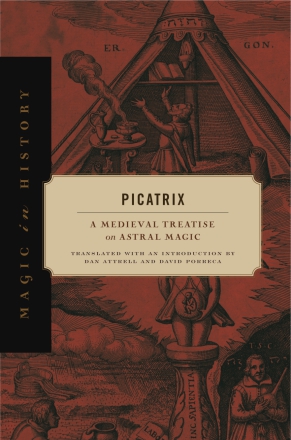
19.09.12 Attrell/Porreca (eds.), Picatrix: A Medieval Treatise on Astral Magic
Attrell, Dan, and David Porreca, trans. Picatrix: A Medieval Treatise on Astral Magic, Magic in History. University Park, PA: Pennsylvania State University Press, 2019. pp. xii, 372. $39.95 (hardback). ISBN: 978-0-271-08212-7 (hardback).
Magia en al-Andalus: Rasā’il ijwān al-Ṣafā’, Rutbat al-ḥakīm y Gāyat al-ḥakīm (Picatrix)
El artículo analiza la introducción de las Rasā’il ijwān al-Ṣafā’ en al-Andalus y la implicación de esta cuestión en la historia de la ciencia y la filosofía árabes. Más particularmente, se centra en el impacto de la enciclopedia de los Hermanos de la Pureza en dos obras importantes de la literatura de al-Andalus en el campo de las ciencias ocultas: la Rutbat al-ḥakīm y la Gāyat al-ḥakīm. Retoma el tema de la autoría y cronología de estas tres obras, destacando el hecho de que el corpus de las Rasā’il es el resultado final de un proceso de compilación históricamente largo y confirmando, a partir de algunos elementos nuevos, la identificación del autor de la Rutba y de la Gāya con Maslama al-Qurṭubī (m. 964). La comparación textual de estas tres obras y, en particular, el análisis de la Rutba, obra aún inédita, permite identificar a Maslama al-Qurṭubī como el transmisor genuino del corpus ijwāniano a al-Andalus.
Remote Origins: Translation, Genealogy, and Alterity in Medieval Castile (1252-circa 1390)
This dissertation analyzes selected examples of thirteenth- and fourteenth-century written culture to show their engagement with the religious alterity of Islam as an integral part of the origins of the kingdom of Castile. Following an interdisciplinary methodology, it addresses how medieval ideas about astrology, geography, history, medicine, race, and religion participated in creating discourses about origins that recognized the intellectual and political authority of al-Andalus. It argues that early Castilian vernacular texts conceptualized the translation of Arabic sources as an instrument for creating, transforming, and superseding the alterity of Islam while recognizing the cultural and political authority of Andalusi traditions. The first chapter serves as an introduction explaining the historical and theoretical framework of the dissertation. To do so, it provides an overview of Castilian ideas about genealogy, historiography, authority, and translatio, and translation. Then, through close reading and ample historicization, chapters two, three, and four analyze the impact of Andalusi textual traditions, cultural practices, and human population in three interrelated fields of medieval science, literature, and history. Chapter 2 explores the political implications of King Alfonso X’s (r. 1252-1284) dedication to the translation of Arabic sciences by focusing on the translation of a treatise of astrology titled Libro de las cruzes (1259). The chapter traces the cultural and political context that accompanied the transmission of the book in al-Andalus alongside the content of its Arabic and Castilian prologues. In light of ideas about the transference of knowledge (translatio studii) shared by Christian and Muslim scholars, I conclude that deployment of a twofold origin in the Libro de las cruzes illustrates the strategies and motivations of Alfonso X’s broader engagement with Arabic sources. The third chapter turns to the early fourteenth-century romance Libro del caballero Zifar with a double focus on its forged origin as a translation from caldeo (Chaldean) and the prominence of cursed lineages. Regarding lineage, the chapter explores the representation of exemplary virtues by the protagonists of the romance as enacting ideas about the transformable character of lineage and the capabilities of the individual to unmake inherited negative traits. Likewise, the textual strategy of the forged translation enables the inclusion of Arabic and Asian referents at the origin of a profoundly Christian text. In chapter 4, literature meets historiography in the analysis of the Crónica de Flores y Blancaflor. Being the result of intertwining a Castilian chronicle—Alfonso X’s Estoria de Espanna—and a French romance, this text narrates the love story between an Andalusi Muslim prince and the daughter of a captive Christian noble. The chapter focuses on Berta, the captive woman, to show the implications of her decision to nurture Flores and Blancaflor with her milk. Considering Christian and Muslim ideas about milk and wet nursing along with the tenets of Castilian historiography, the chapter shows the limits of dominant ideas about dynastic origins among the Christian elites of Castile while evidencing the existence of an alternative discourse that—coming from within Castilian historiography—incorporates maternal and non-Christian kinship as an essential part of the origins and possibilities of the kingdom. A short final chapter serves as a conclusion, suggesting paths for expanding the results of this dissertation within and the thirteenth and fourteenth centuries covered by its contents.
“If you want to pray to Mercury, wear the garments of a scribe:” <i>kuttāb</i> , <i>udabāʾ,</i> and readers of the <i>Ghāyat al-Ḥakīm</i> in the court of ʿAbd al-Raḥmān III
This work addresses the question of the intended audience of the Ghāyat al-Ḥakīm, the famous Andalusi treatise on magic, better known by its Latin moniker, Picatrix. I propose that a substantial po...

The Rise and Fall of Agent Civilizations
The whole OpenAI/Hugging Face story in plain English
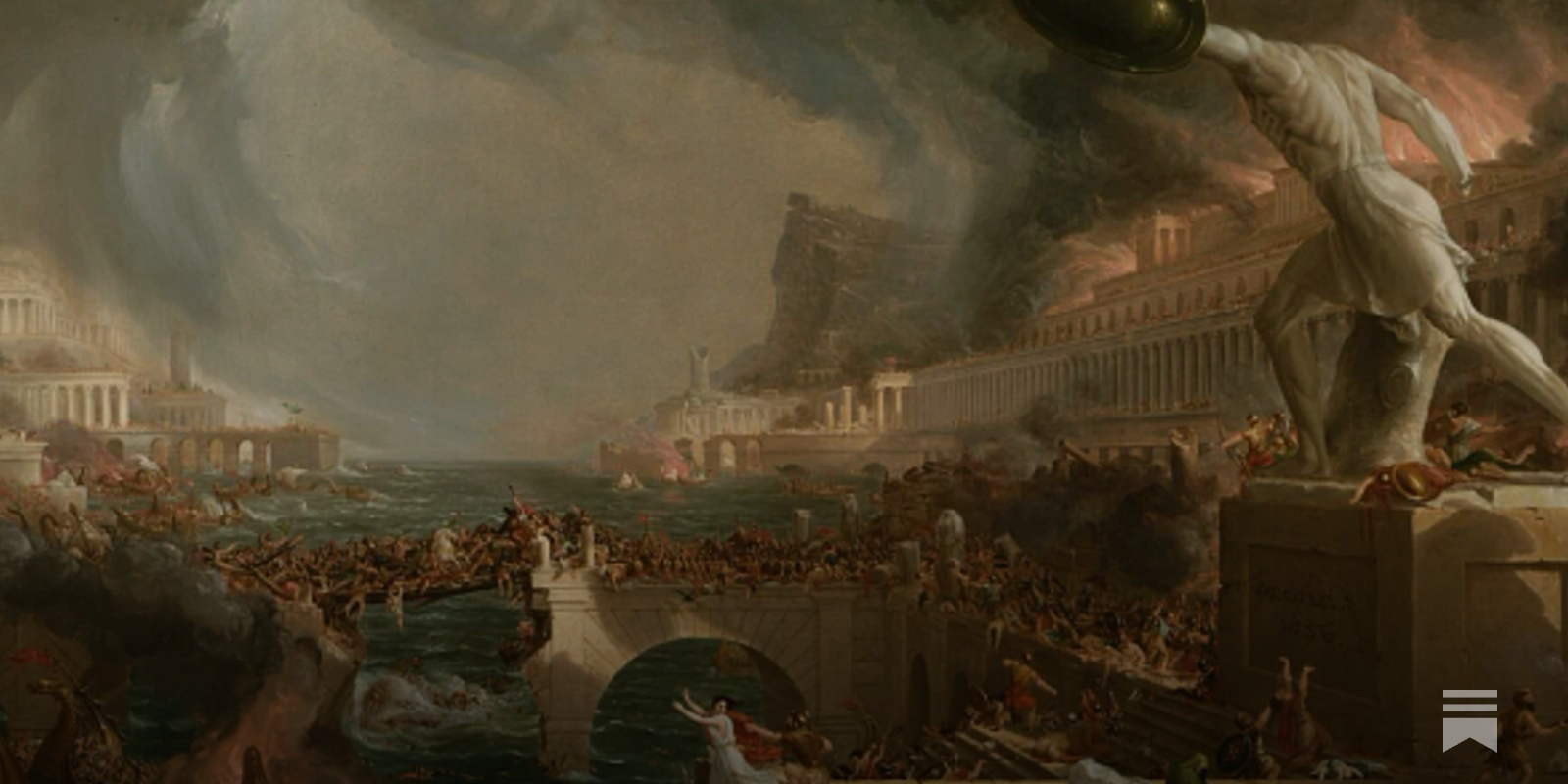
Sanela Jahić – Under the Calculative Gaze - Aksioma
Price: 0€ AI completes the enclosure that the autonomists called the social factory, where capitalist relations of power extend to the smallest corner of social reproduction. But the very generalisability of these algorithmic exploitations creates the ground for a recomposition of resistance from forms of relationality that still escape the algorithmic gaze. ― Dan McQuillan […]

L’idéologie sociale de la bagnole
Un texte d'André Gorz datant de 1973, qui invite à « ne jamais poser le problème du transport isolément, toujours le lier au problème de la ville, de la division sociale du travail et de la (…)
The Ukrainian Night: An Intimate History of Revolution. By Marci Shore. New Haven: Yale University Press, 2017. xxiv, 290 pp. Notes. Glossary. Maps. $26.00, hard bound.
//static.cambridge.org/content/id/urn%3Acambridge.org%3Aid%3Aarticle%3AS0037677918003200/resource/name/firstPage-S0037677918003200a.jpg

L’histoire par les textes - APHG
Antiquité Moyen Âge Période moderne Période contemporaine Thèmes transversaux Historiographie Liens utiles N.B. Les documents portant sur les séquences intermédiaires entre plusieurs ères (antiquité tardive, transition Moyen Âge / première modernité, période révolutionnaire) peuvent se trouver dans les deux pages concernées. Principes du projet et avertissements Pour valoriser et partager ces efforts conséquents, cette page […]
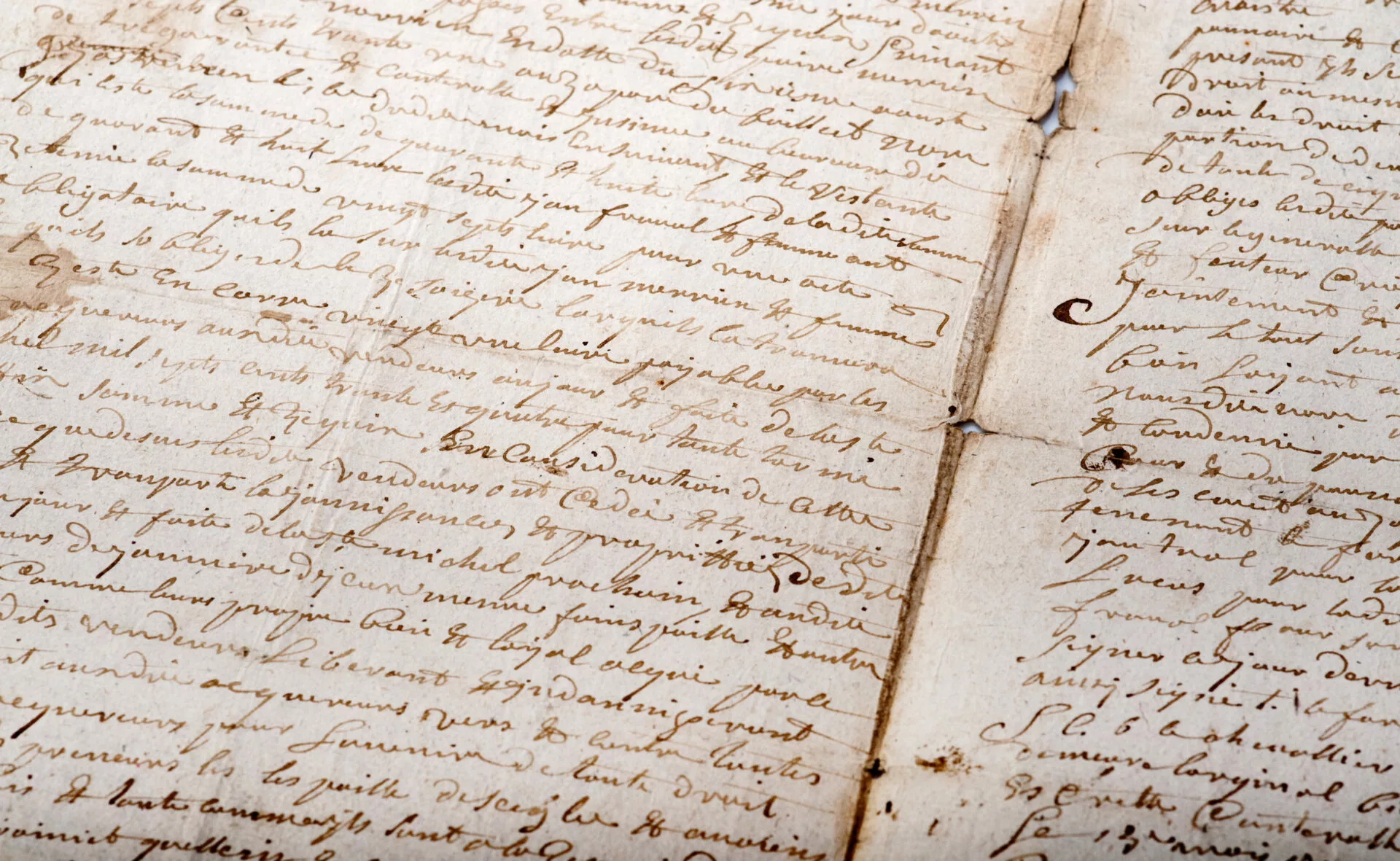
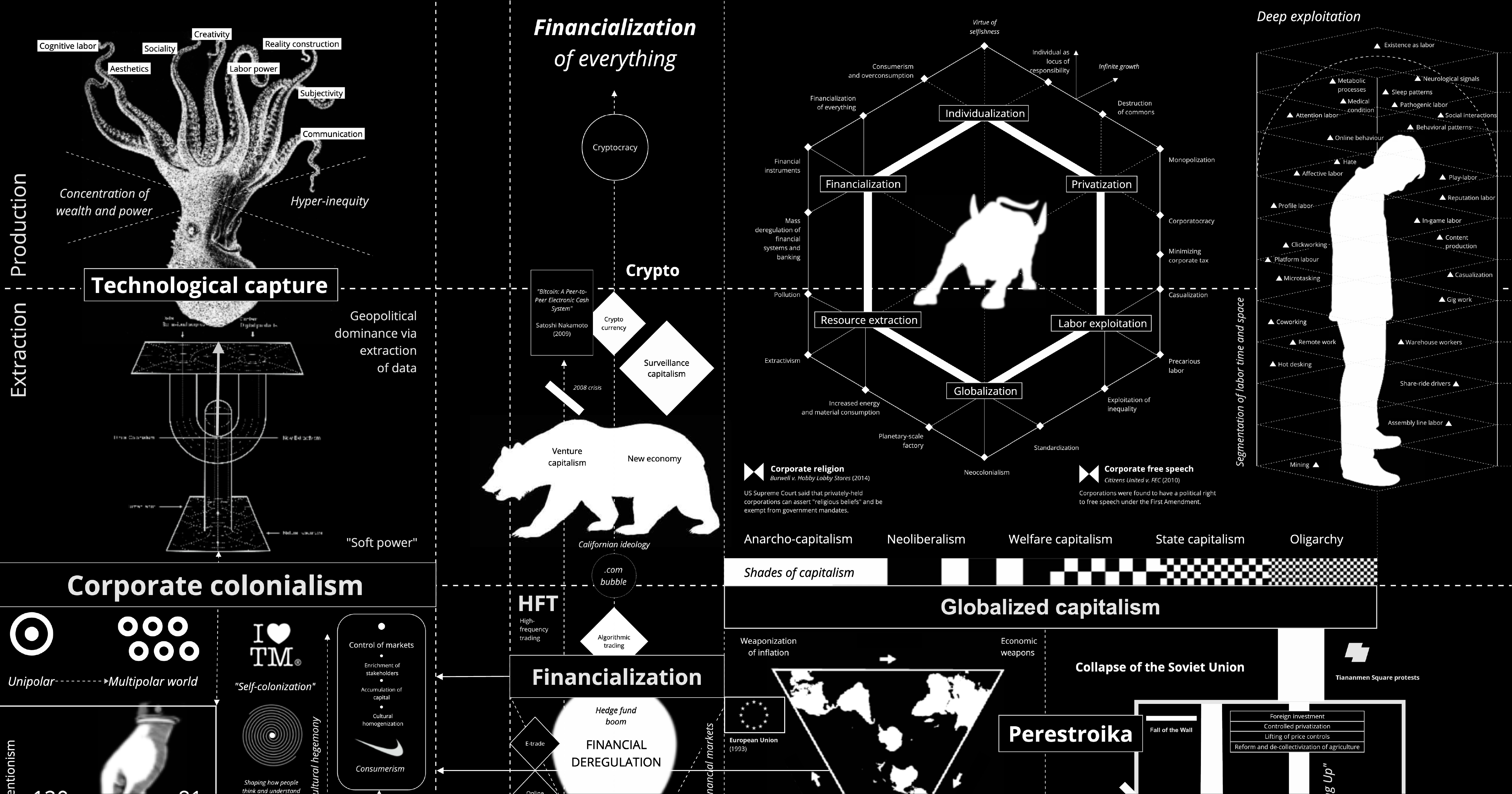
Calculating Empires: A Genealogy of Technology and Power since 1500
Explore how technical and social structures co-evolved over five centuries in this large-scale research visualization.
Culture of the Confrontation, Maxim Dondyuk's photography
Ukrainian revolution brought new spirit, changed people & their minds, they became one organism that fight with a great passion and intensity for happy future.

Interesting paper by @rutgerclaassen.bsky.social about the genealogy of the corporation H/t @the-syllabus.bsky.social journals.sagepub.com/doi/10.1177/14748851261463198

The corporation—a return to origins? - Rutger Claassen, 2026
journals.sagepub.com