

The solution to (nearly) everything: working less | Rutger Bregman
Excessive work and pressure are status symbols. But overtime is deadly. If we worked less we’d make fewer errors, address inequality and have a better life

How to make Slack less bad for you | Robert Heaton
Slack claim to be in the business of "making your working life simpler, more pleasant, and more productive". We’re about to be cynical, so let’s acknowledge that this claim is probably at least par...

The AI productivity myth is more harmful than you think
Perceived productivity may be up thanks to AI, but there's debt collecting in the shadows.
Productivity
I think I am at least somewhat more productive than average, and people sometimes ask me for productivity tips. So I decided to just write them all down in one place. Compound growth gets...
The Irrational Decision
How the computer revolution shaped our conception of rationality—and why human problems require solutions rooted in human intuition, morality, and judgment

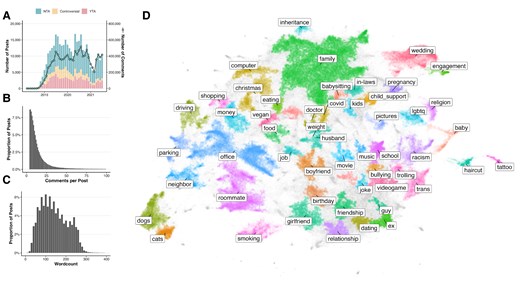
A large-scale investigation of everyday moral dilemmas
Abstract. Questions of right and wrong are central to daily life, yet scientific understanding of everyday moral dilemmas is limited. We conducted a data-d

The Case for Lowering Your Expectations
It may be the key to happiness and sustainable performance

Productivity Is Happiness
When we talk about productivity, it is usually in the context of our professional lives. Is this fair? Does productivity begin and end at the office door? I’d like to address this question indirectly, …
Moral Imperialism versus Class Solidarity
Individualism and imperialism define ruling class morality. Solidarity is the left's only answer.

What Humanity Needs To Flourish In The Next Decade
We are headed toward a world of productivity without prosperity, execution without verification and capacity without constraint. But this outcome is not inevitable.

"what if engineering a scientific revolution is, at least in part, a problem of organizing humans and coordinating effort?" uniconq.substack.com/p/the-ground-truth-institute h/t @ranganaut.bsky.social

The Ground Truth Institute
uniconq.substack.com


