

Our statement on the UK gov't's demand that all content on all devices sold or used in the UK be scanned, on the presumption of nudity, using a dystopian combination of age verification & content scanning. This proposal will not safeguard children. It endangers us all. signal.org/blog/pdfs/2026-06-08-uk-surve…
Jun 8, 2026 at 7:39 PM
#cybersafety #ageverification #privacy #minors #ai | Parry Aftab
Internet Age-Verification Causing More Risks than It’s Worth This is not a new issue. Regulators and policymakers have raised it for the last 28 years as the way the keep kids safer online. They compare it to having to flash an ID to purchase regulated content or items (porn, cigarettes, alcohol, restricted medications, age-restricted movies, amusement rides, etc.) But verification online is very different and vastly riskier than flashing an ID in real life. For one, it’s collecting personally-identifiable information about our kids. For two, it puts that information in the too-often untrustworthy digital hands of tech companies. For three, while porn, alcohol and regulated drugs may be a clear-cut case for restricting access to adults, access to the Internet is very different. Yet, regulations begun in the UK and adopted globally have begun a weighted cybersafety approach that, in my humble opinion, prefers excluding young people from digital technology over teaching the cybersafety and digital life skills. That, in my 32 years of work in the fields of cybersafety and protection of minors online, was and remains a mistake. One of my best known quotes, repeated in Congressional and state legislative testimony and in the media is: “The greatest single risk our children face online is being denied access. We have solutions for everything else.” (my testimony before the FTC) Some proponents of age-verification have opted to denying them access unless they give up confirmable personally-identifiable info, such as selfies, feeding AI with PII, and govt or school credentials. I argue that this gives social networks, game providers and digital app operators a wealth of PII to be used for profiling, marketing and collecting far too much. With their privacy at stake, too often incompetent, malicious and greedy producers and mega-tech industry players, can’t and shouldn’t be trusted with the personal info of our most vulnerable - our kids. And AI will now be tasked with collecting everything it can find about our kids to be able to “age-verify.” (It’s ability to age-verify is less reliable with youth as their data-sets are more limited.) I served on a task force appointed by 49 state attorneys general, charged to research and weigh-in on this issue. We concluded that age-verification wasn’t feasible. While this task force was formed many years ago, with the exception of a fortified AI, not much as changed. Our children’s privacy remains, or should remain, paramount. We have robust filtering and blocking technologies. The adult industry has adopted an age-gated model. And parents can restrict access using device-specific tools. And, many well-intentioned age-verification laws were adopted too quickly for thoughtful discourse. Or by governments more prone to censorship/content restrictions. I fear in our quest to protect our kids we have thrown our babies out with the bath water. #cybersafety #ageverification #privacy #minors #AI

Mandatory age verification for pornography access: Why it can't and won't ‘save the children’ - Zahra Stardust, Abdul Obeid, Alan McKee, Daniel Angus, 2024
Age verification is currently gaining traction among some western democracies as a means to restrict minors’ access to online pornography. In this article we co...

The Age-Gated Internet Is Sweeping the US. Activists Are Fighting Back
Half of the country now requires age verification to watch porn or access “harmful” content. Digital rights advocates are pushing back against legislation they say will make the internet less safe.

Age verification: Child protection or privacy risk?
With more platforms and governments asking for age verification, we look at the options and the implications.

Online Age Verification: Government Legislation, Supplier Responsibilization, and Public Perceptions
There are widespread concerns about the online harms to children operating online. As such, governments have enacted laws to require online service providers to deploy age verification to prevent such harms. We investigate the following three research questions regarding this topic: (1) To what extent have different governments legislated age verification controls? (2) Do governments embrace a responsibilization strategy when it comes to online age verification? and (3) How does the UK public feel about online age verification legislation? We find that governments are applying a responsibilization strategy, which has led to widespread deployment of privacy-invasive or ineffective age verification. The former violates the privacy of underage users, with the latter undermining the overarching aims of the legislation. We have also found general disengagement and a lack of trust in the government amongst the public with regards to new online age verification laws within the UK. To conclude, despite governments globally looking to put more robust online age verification mechanisms in place, there remains a general lack of privacy preservation and affordable technological solutions. Moreover, the overarching aims of the online safety and age verification legislative changes may not be satisfied due to the general public stakeholder group's disengagement and lack of trust in their government.

10 (Not So) Hidden Dangers of Age Verification
It’s nearly the end of 2025, and half of the US and the UK now require you to upload your ID or scan your face to watch “sexual content.” A handful of states and Australia now have various
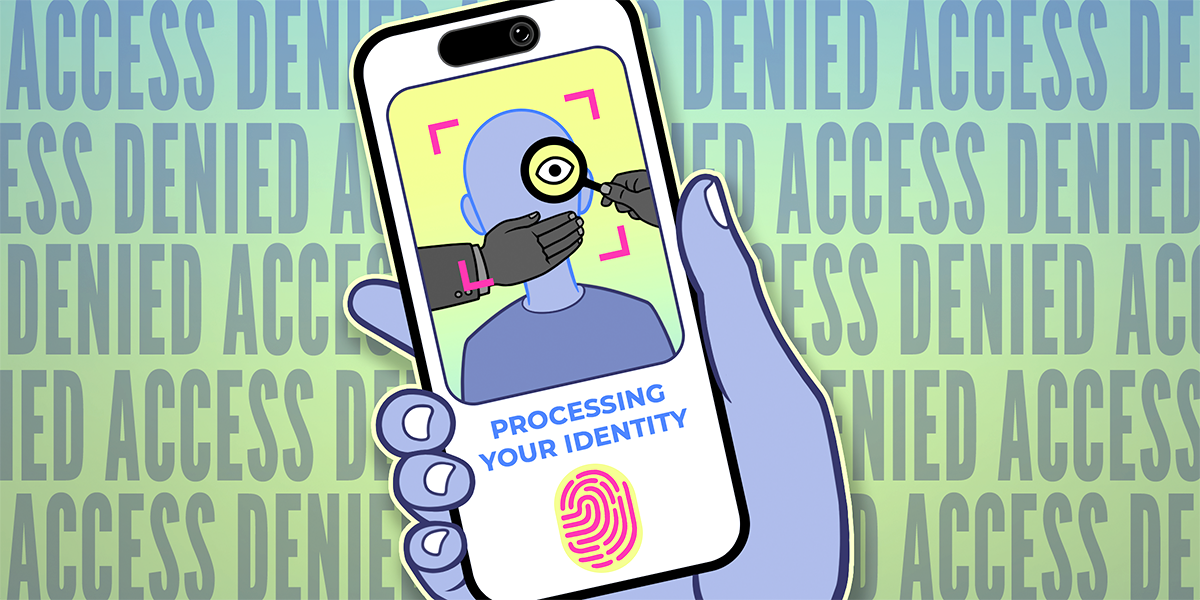
The "Segregate-and-Suppress" Approach to Regulating Child Safety Online
<div> In an effort to protect children online, regulators around the country and the world are enacting laws that compel Internet publishers to age-authenticat

Age verification on porn sites is putting queer adult industry workers at risk
The laws requiring digital age checks — sold as child protection — are tanking the income of adult industry workers, risking their safety and even forcing them out of business.

The UK Will Scan Asylum-Seekers’ Faces for Age Checks—Despite Knowing the Tech Is Flawed
Internal Home Office tests of age-verification technology show the risks of life-altering errors. It’s moving forward anyway.

X, Bluesky and Reddit in France’s crosshairs amid porn clampdown
The government wants platforms to remove adult content or implement stricter age verification controls.

Ohio's New Porn Age Verification Law: Big Brother Dressed Up as Child Protection - Nick's Blog
Ohio's new age verification law requiring ID to access adult websites (starting September 29, 2025) fails to protect children while forcing adults to surrender personal data to access legal content. This "small government" Republican law creates a surveillance system that invades privacy without addressing the real online dangers kids face.
Age-Verification Laws Seek to Erase LGBTQ+ Identity from the Internet
Age-verification laws are weaponized to censor LGBTQ+ and abortion-related content online under the guise of protecting children from porn.

Debate: Social media in children and young people – time for a ban? Weighing up the implications and limitations of age-based social media restrictions
Recent legislation in Australia banning social media accounts for children under 16, alongside similar proposals worldwide, has ignited debate about whether age-based restrictions are an effective way to protect young people's mental health. While the intent of such bans is to reduce exposure to harmful content, their feasibility and effectiveness remain unclear. Enforcement requires robust age verification, often relying on sensitive data such as government-issued identification or facial scans, which raises privacy concerns and can be circumvented through the use of VPNs. Moreover, social media use is diverse. Although it can intensify harms such as bullying, it also provides vital opportunities for connection and support, particularly for marginalised adolescents. Removing access to accounts may limit risks within platforms, but does not prevent exposure to harmful content elsewhere, nor does it guarantee increased offline engagement. Importantly, blanket bans fail to address unsafe design features embedded within social media or to equip adolescents with the skills needed to navigate online environments. More targeted, evidence-based regulation that promotes safer platform design and accountability may provide a more effective pathway to protecting young people's well-being.

The Year States Chose Surveillance Over Safety: 2025 in Review
2025 was the year age verification went from a fringe policy experiment to a sweeping reality across the United States. Half of the U.S. now mandates age verification for accessing adult content or
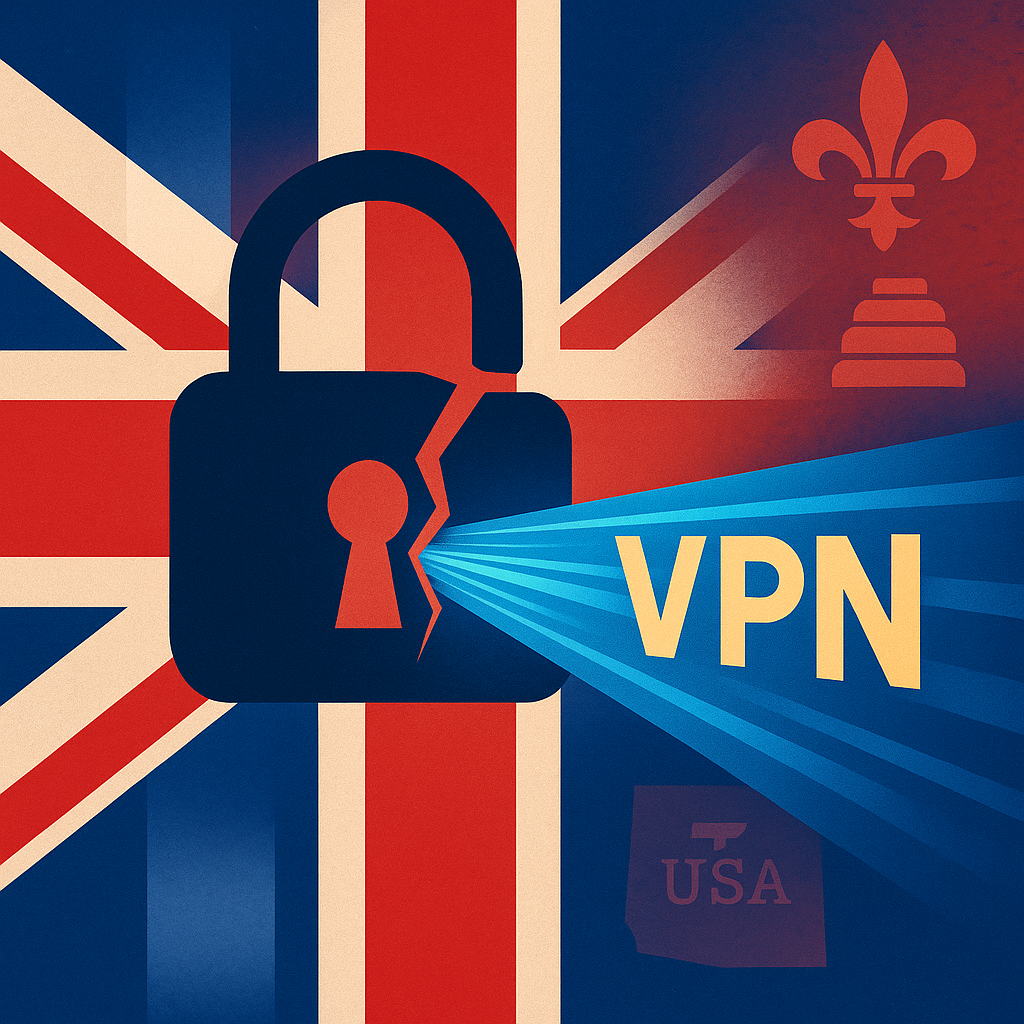
Age-verification laws are just VPN tutorials
On July 25, the day the United Kingdom activated the first phase of its Online Safety Act, requiring any website with sexually explicit…
The main changes that will happen is due to regulators being intensively focused on ‘protecting the children’. So more labels on adult content and more divisions between people who identify as minors and people posting adult content. They continue to add to the list - gov.uk/government/news/new-laws-to-t…

New laws to target online abuse and pornography
www.gov.uk
