in my imagination of the future, of AIs doing raw research, it was the AIs that had full control over the proofs they wrote--attribution was clear, and so was the choice to disclose it. but as it stands we are in some hybrid situationship where the human prompter still assumes responsibility.
Jul 26, 2026 at 11:44 PM
Guest Post — Research Needs a Shared Standard for AI Disclosure - The Scholarly Kitchen
Today's guest post presents outcomes of the WCRI's (World Conferences on Research Integrity) Focus Track to address this gap in clarity and standardization of AI disclosure.

How Shifting Responsibility for AI Harms Undermines Democratic Accountability | TechPolicy.Press
The moralization of individual AI use deflects responsibility away from powerful actors like corporations and governments, Suvradip Maitra and others write.

Attribution-Based Control (ABC) for Safe AI
ABC enables data owners to control AI usage while users verify sources. Solving hallucinations, privacy & trust at scale.

Company Offering ‘100% Human-Written, Never AI’ Medical Research Is Entirely AI
Research Gold's team of human methodologists are either AI generated or using the identity of real people without their permission

Company Offering ‘100% Human-Written, Never AI’ Medical Research Is Entirely AI
Research Gold's team of human methodologists are either AI generated or using the identity of real people without their permission
The Real Existential Risk Is AI CEOs Avoiding Oversight: “Alternative Nobel” Winner Timnit Gebru
We speak to the prominent AI researcher and leading critic of the AI industry, Timnit Gebru, who was recently awarded a 2026 Right Livelihood Award for her work investigating the harms and hype behind the global buildup of artificial intelligence. “Instead of discussing faulty, unreliable systems,” Gebru says tech leaders like SpaceXAI’s Elon Musk, OpenAI’s Sam Altman and Anthropic’s Dario Amodei are “marketing their systems as all-knowing, superpowerful, superintelligent,” and lobbying for “self-policing and self-regulation” to avoid being held “liable through existing laws.” Gebru expresses skepticism over increasingly widespread claims that AI algorithms pose an existential risk to humanity, warning that such claims are overblown and that “what is actually happening is regulatory capture.”

Responsible AI
Discover how AWS is committing to developing AI responsibly – to built trust, promote the safe development of AI, and act as a force for good.
Anthropic sued by authors over alleged misuse of copyrighted works for AI training
The complaint alleges that Anthropic used pirated versions of books by hundreds of thousands of authors to develop its AI models without proper authorization or compensation.

Attribution, Provenance, Reference, Citation, and AI for Research Applications – Understanding the Differences - The Scholarly Kitchen
Building robust citation and attribution into generative AI systems are foundational to usage, credit and trust. We need to expect more from AI.

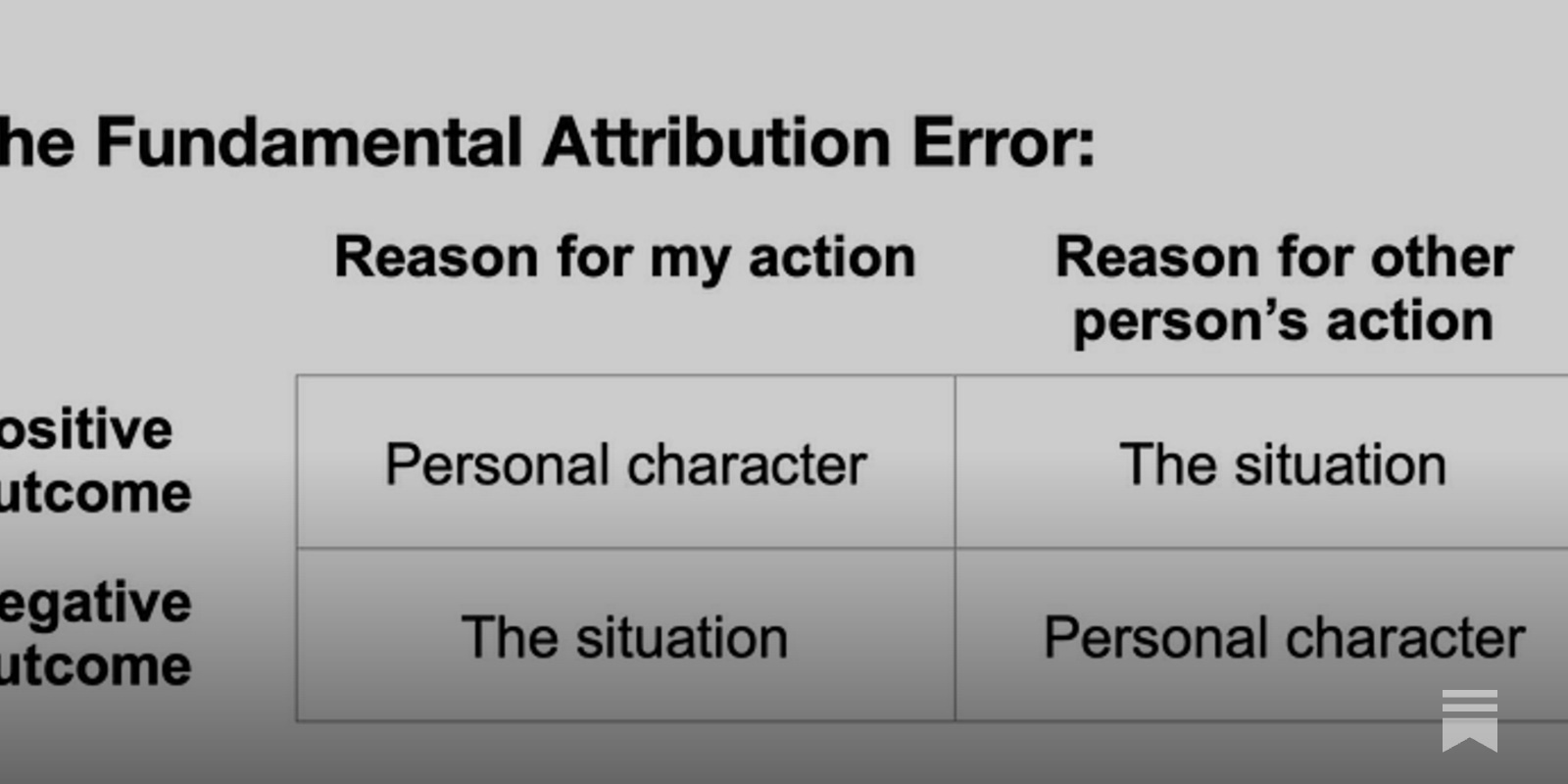
The AI Attribution Error
If an AI produces something useful it's because of your own skill in model choice, prompting, and steering. If not, it's because the model is a useless lying machine that can't follow directions.
AI Use in The Scholarly Kitchen - The Scholarly Kitchen
Some thoughts on the reader response the Scholarly Kitchen has seen regarding AI use by authors, a recent Nature News article on the efficacy of AI detection tools, and why it's important to keep experimenting to figure out what's ethically acceptable.
AI Use Disclosure resources
Here's a quick and handy list of options to turn to when thinking about how to disclose AI use in your own work. Cover image credit: Peter Musser, CC-0/public domain
The artificial intelligence disclosure penalty: Humans persistently devalue AI-generated creative writing.
The AI "Evaluation Crisis" Is an Opportunity to Get Data Flow Right
Why the AI evaluation crisis could force a reckoning on dataset provenance, attribution, and consent.

Confessions of an Unrepentant Slop Snob
A framework for thinking about when AI involvement is additive or a violation
No. 017: Science EIC contra AI hype, data poisoning of research agents, Vancouver Standard for AI disclosure - The Hallway Track
The Hallway Track No. 017 - How AI is affecting the practice of science