

Then it runs like peace through your chest, 's sounds like a song, from times long past it rushes through your mind. 's is Feieromd etc. Some people's hearts have been lost, over is sorrow and pain, and over the grave, very gently drifts, a sound from over there.
May 31, 2025 at 11:50 AM
musings of a sad, seraphic slut - heart and soul ♡
a peek inside the heart and brain of soul
Dopamine Trap
Dopamine Trap does narrative driven decay. With organic noise, apocalyptic soundscapes, and scathing poetry his productions cast lovecraftian solopsisms on the roof of the skull, dripping with tumors of unresolved inter-generational trauma, resignation and reckless, violent love. He delights in emptiness and the granular implications of percussive silence.


Empathy, Thick and Thin
When we empathize with someone going through something, we often draw on our past experiences with the someone and the something. These kinds of experiences gro

Things I’ve been thinking lately
Notes I kept coming back to this year. On death, on bodies, on playing, on not chasing happiness, and on living close to the things you love.


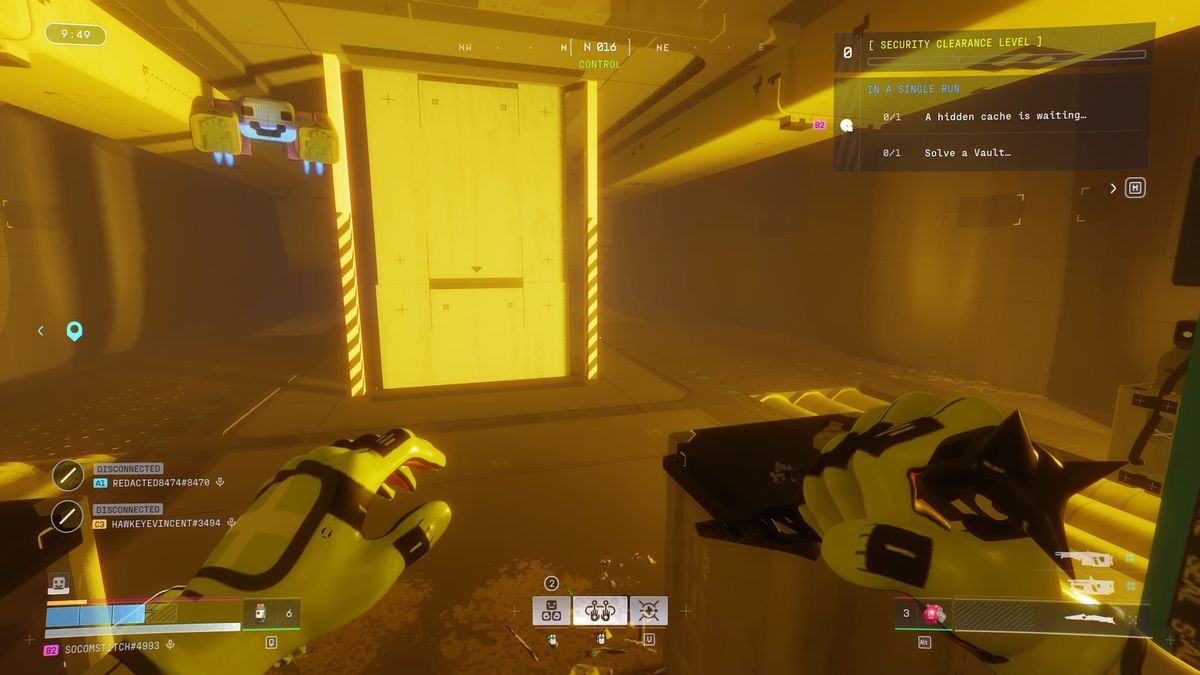
Marathon’s med drone is for emotional support and, to a lesser extent, healing
A perma-smiling comfort on the cold surface of Tau Ceti IV
Overthinker
Breathe (In the Air)
THRESHOLD
In a lonely station atop a mountain, a train rumbles its precious cargo to places unknown. Now is your shift. Keep the pace. Uncover a mystery. Fight for your last breath. The air is thin up here.

Art of Noise
A multi-sensory exploration of how design has changed the way we’ve experienced music over the past 100 years.

Where Is My Mind?
The Cloud of Unknowing
The Cloud of Unknowing is an anonymous work of Christian mysticism written in Middle English in the latter half of the 14th century. The text is written as guide from a teacher to a student, with the message that God cannot be understood via reason or intellect, but only through love: “By love may He be gotten and holden, but never through thought.” To achieve this goal, the text recommends cultivation of two mental states: “The cloud of forgetting”, and “the cloud of unknowing”.

Speaking of Music
“Can anyone explain in mere prose the wonder of one note following or coinciding with another so that we feel that it is exactly how those notes had to be? Of course not.”

The lie at the heart of hopelessness
Most people I know are fighting severe anxiety about their individual and our collective future right now, struggling to picture a life worth planning. It is paralysing, also for me. It is also a lie. Not that reality isn't grim (ignoring that will only make things worse) but paralysis is neither


