

Most people getting into social do not do it for the benefit of society, but rather to control & own the social fabric that supports society. If you control the social platform, you can control the conversation. You then have enormous political power.
Jun 17, 2026 at 2:59 PM
W Social is TruthSocial with a European accent. - We Can Just Do Things
Different politics, identical structure: wealthy insiders, community infrastructure they didn't build, and openness performed just long enough to matter. The establishment always wants its own internet.
People Across the Globe Increasingly Say Social Media Is Harming Democracy
Most think social media leads to manipulation and division, but they also say it informs people and gives them a voice in politics.
Social media is populist and polarising; AI may be the opposite
Large language models elevate expert consensus and moderate views, in sharp contrast to social platforms

Holding Platforms Accountable Is Not Enough. We Need A ‘Compass’ For Social Technologies
This is the first series in the 21-22 Perspectives on Public Purpose blog.
Improving social media for democratic discourse
Social media have expanded opportunities for communication and political participation, but today's dominant platforms are optimized primarily for engagement and advertising revenue, contributing...

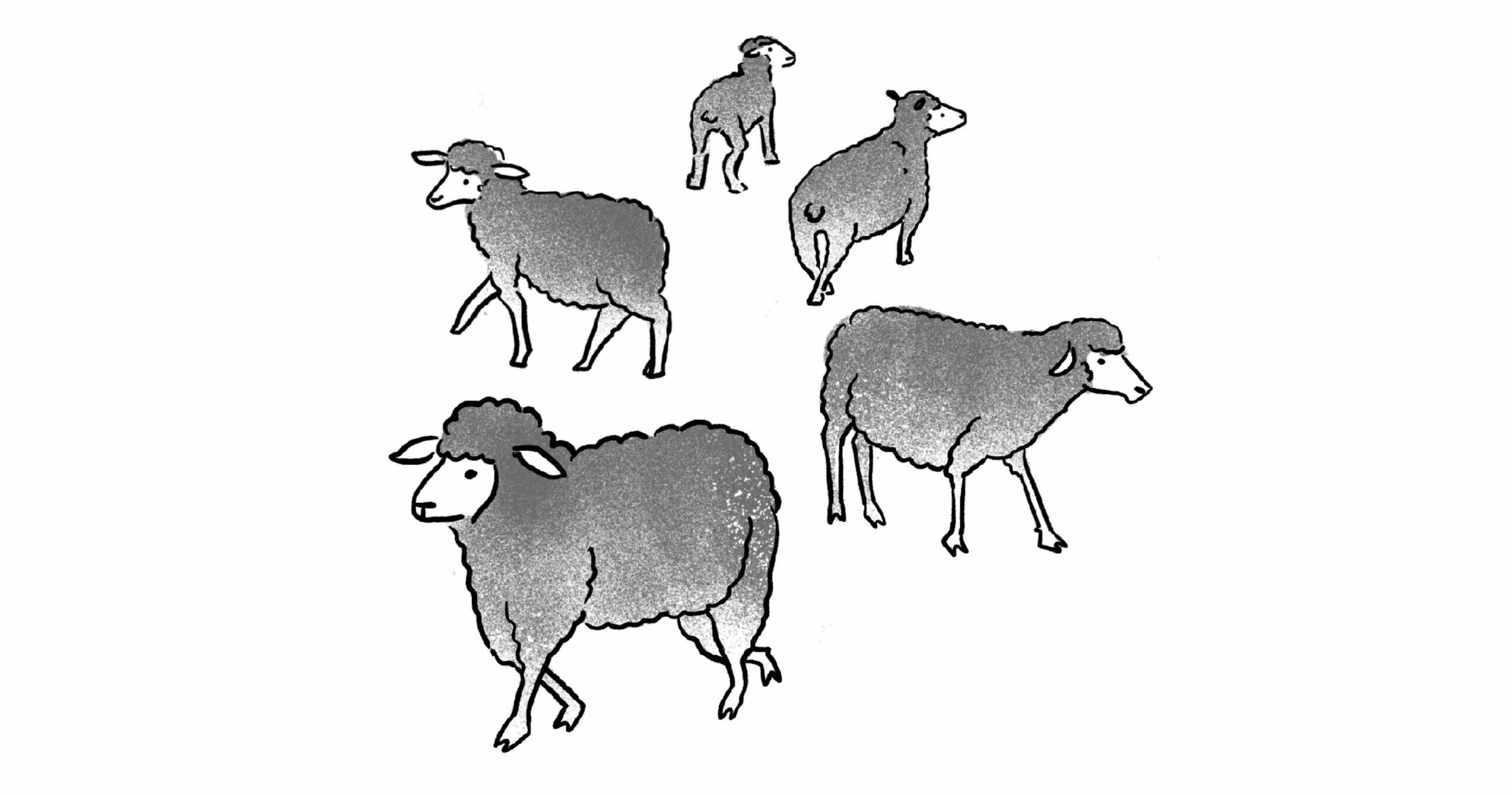
Directing the Herd
Social media platforms don’t produce a common public; they produce competing sub-publics, each with its own sense of what everyone knows.
Introducing a network for thoughtful conversations
The quality of conversations on the Internet is terrible. Most platforms like Twitter, Facebook, Instagram, Reddit, etc. optimize for engagement as their key metric. This spawns and rewards behavior that leads to bragging of gameable metrics such as likes and followers, self-feeding thought bubbles, knee-jerk reactions, “if you’re not on our side, you’re on their side” mentality, and thought policing even by people who think they’re fighting for a good cause. Today’s Internet doesn’t incentiviz
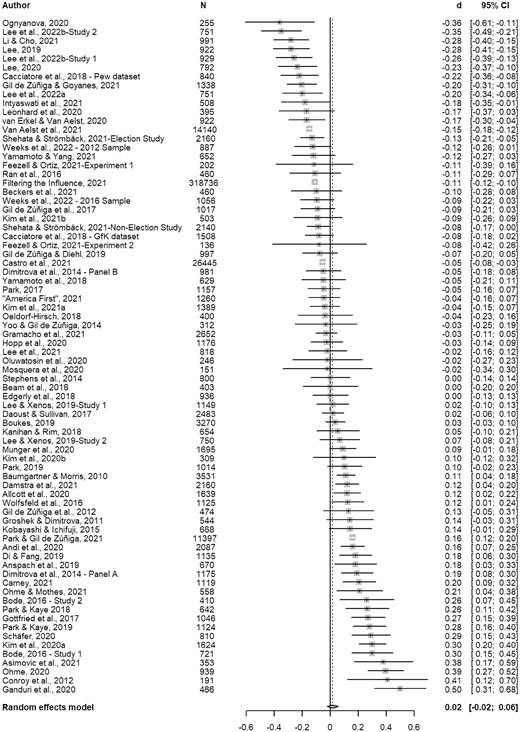
Do people learn about politics on social media? A meta-analysis of 76 studies
Abstract. Citizens turn increasingly to social media to get their political information. However, it is currently unclear whether using these platforms act
It's the (Democracy-Poisoning) Golden Age of Free Speech
At a time when anyone can broadcast live or post their thoughts to a social network, we should be living in a utopia of public discourse. We're not.

Small talk acts like social glue – here’s how to get better at it
Maybe think of small talk as a technology: a human invention for accomplishing social goals.
We keep asking what social media does to voters. The wrong end of the pipe. Platforms don't just distribute politics — they teach political actors what kind of speech pays. So I measured the going rate: what X, Bluesky and Mastodon reward in public speech. 🧵 arxiv.org/abs/2607.04220


