Male-like ornamentation in female hummingbirds results from social harassment rather than sexual selection
Female white-necked jacobin hummingbirds are polymorphic—some express ornamented plumage like adult males. Falk et al. find that all juvenile females have male-like plumage, which some maintain as adults. Rather than being favored by sexual selection, male-like plumage benefits females by reducing social harassment from this and other species.

Male-like ornamentation in female hummingbirds results from social harassment rather than sexual selection
Female white-necked jacobin hummingbirds are polymorphic—some express ornamented plumage like adult males. Falk et al. find that all juvenile females have male-like plumage, which some maintain as adults. Rather than being favored by sexual selection, male-like plumage benefits females by reducing social harassment from this and other species.
Reciprocal signaling in honeyguide-human mutualism
Honeyguide birds recognize human honey-hunters calls and help them find wild bees’ nests.

Heterospecific social behavior in primates: insights into the evolutionary roots of pet-keeping
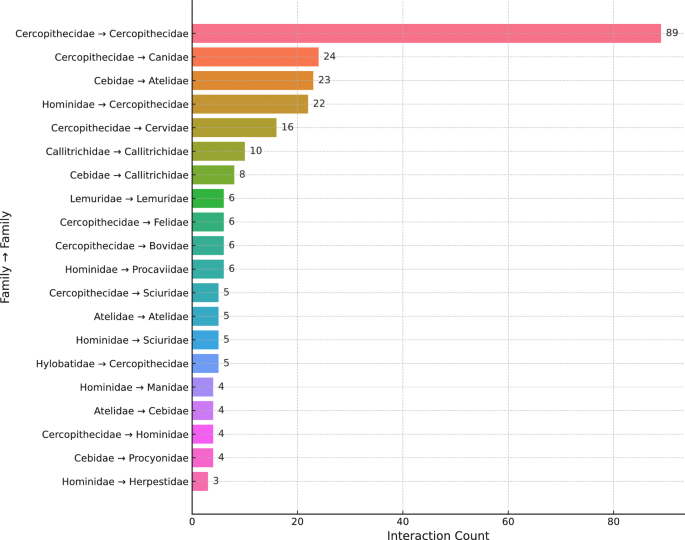
Primate interspecific interactions with both other primates and non-primate species range from predator–prey dynamics to affiliative behaviors such as grooming, play, and carrying. While many primates participate in interspecific associations or commensal relationships, to our knowledge interspecific social interactions have never been systematically synthesized. Here, we present the first comprehensive review of such interactions, compiling 427 cases from the literature, media sources, and a global survey of primatologists. These involved 88 primate species and 127 non-primate species (including mammals, birds, reptiles, amphibians, malacostracans, and insects) across wild (n = 311) and captive (n = 111) contexts. The most frequent interactions occurred within or between primate families (e.g., Cercopithecidae–Cercopithecidae, Cebidae–Atelidae), though affiliative behaviors were also directed toward distantly related taxa such as dogs and birds. Play (n = 139) and grooming (n = 136) were most common. Juveniles and infants predominantly engaged in play, while adult females were more likely to groom. Adult males were less affiliative overall. Contrary to expectations, affiliative behaviors were not more often directed toward immature than adult heterospecifics. Primates were the initiators in most interactions. These findings offer new insights into the diversity and contexts of heterospecific sociality in primates and suggest that some behavioral tendencies relevant to later forms of human–animal companionship – such as caregiving, tolerance, and exploratory play – may be more widespread among primates than previously recognized.
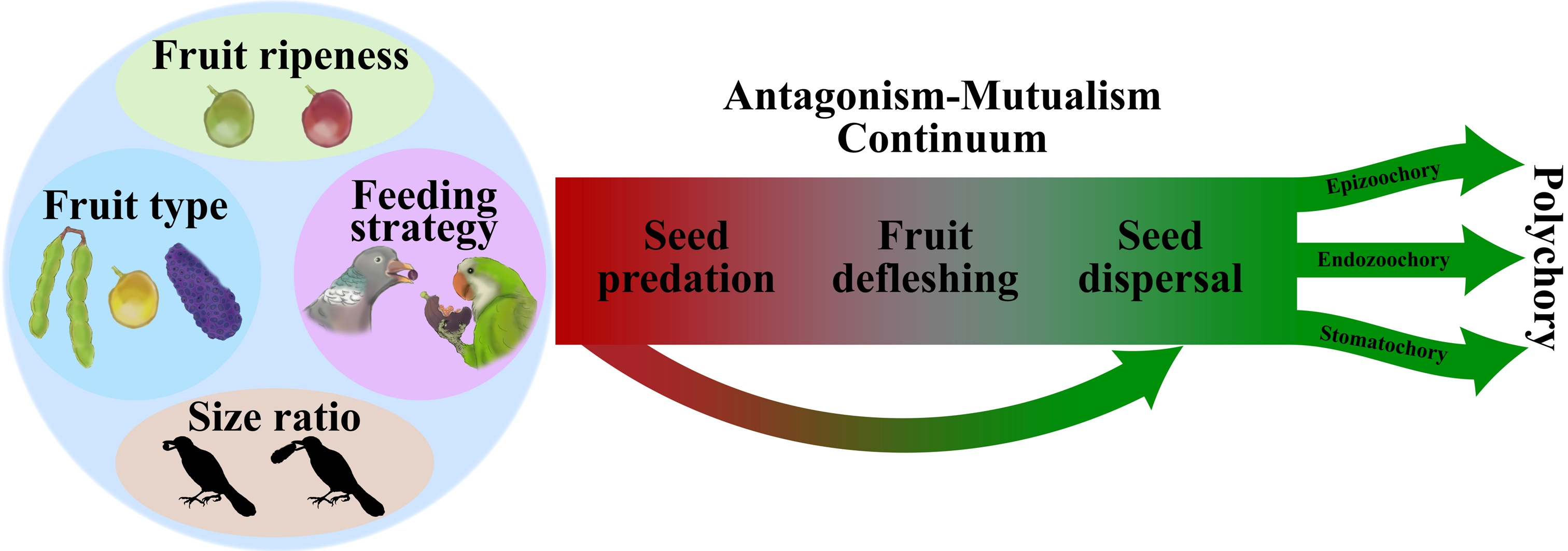
Embracing the complexity of plant–bird interactions to understand species’ roles within ecosystems
The context-dependent fate of seeds, shaped by birds that can act as both antagonists and mutualists, reveals a hidden variability of functions and seed dispersal mechanisms, underscoring the need for stronger empirical evidence to accurately understand seed dispersal ecology.
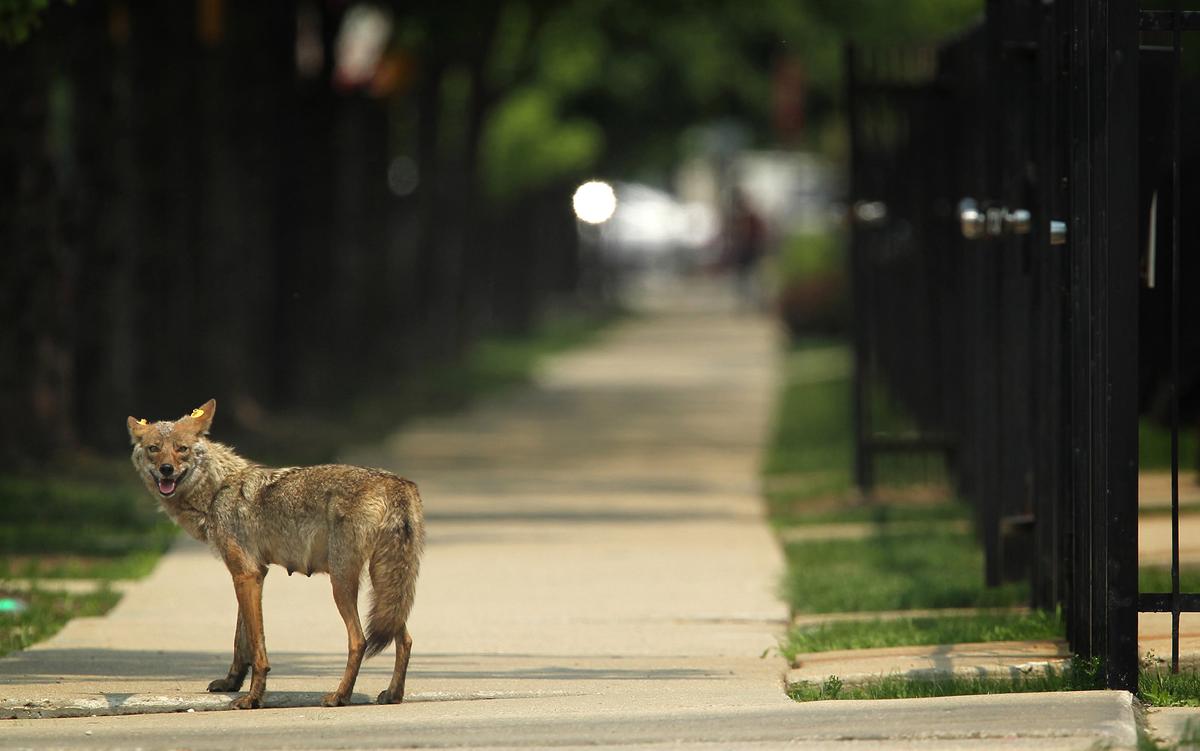
Why aren’t coyotes, dingoes and wolves treated like our dogs? | Aeon Essays
Coyotes, dingoes and wolves are all dogs, as intelligent and loyal as our familiars. Our treatment of them is unconscionable
Human–Animal Interaction and Human Prosociality: A Meta-Analytic Review of Experimental and Correlational Studies
Pet ownership and interactions with animals confer various physiological and psychological benefits to humans. Although interactions with animals are commonplace, there is no consensus in the liter...
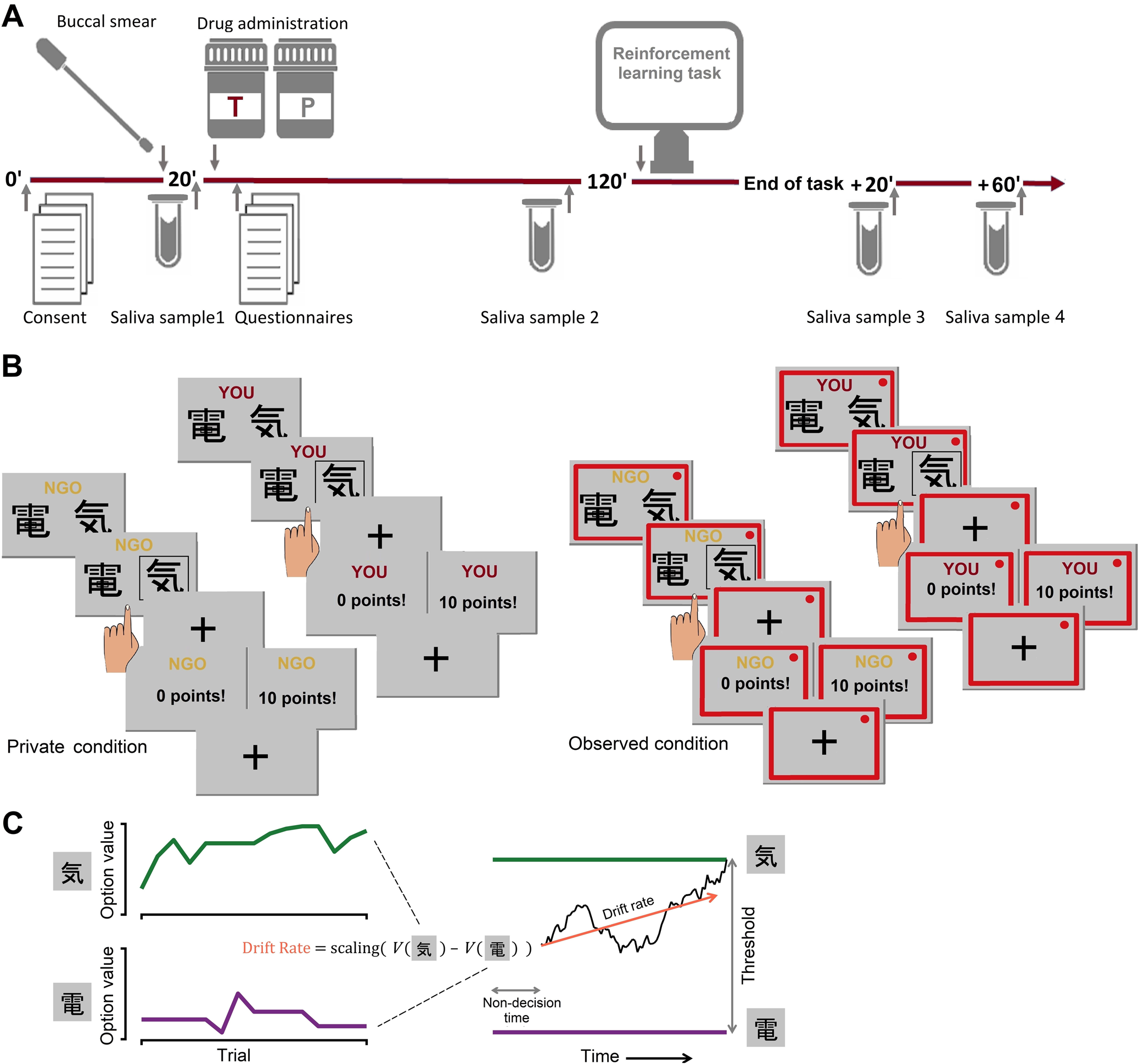
Testosterone eliminates strategic prosocial behavior through impacting choice consistency in healthy males
Neuropsychopharmacology - Testosterone eliminates strategic prosocial behavior through impacting choice consistency in healthy males
Pretty Fly (For A White Guy)
Tom Seeley: Honeybee Democracy
Testosterone causes both prosocial and antisocial status-enhancing behaviors in human males | PNAS
Although popular discussion of testosterone’s influence on males often centers on aggression and antisocial behavior, contemporary theorists have p...

A computational account of conflict processing during mental imagery
Previous studies examining conflict processing within the context of a color-word Stroop task have focused on both stimulus and response conflicts. However, it has been unclear whether conflict can emerge independently of stimulus conflict. In this study, a novel arrow-gaze mental-rotation Stroop task was introduced to explore the interplay between conflict processing and mental rotation. A modelling approach was utilized to provide a process-level account of the findings. The results of our Stroop task indicate that conflict can emerge from mental rotation in the absence of stimulus conflict. The strength of this imagery conflict effect decreases and even reverses as mental rotation angles increase. Additionally, it was observed that participants responded more quickly and with greater accuracy to small rather than large face orientations. A comparison of three conflict diffusion models—the diffusion model for conflict tasks (DMC), the dual-stage two-phase model (DSTP), and the shrinking spotlight model (SSP)—yielded consistent support for the DSTP over the DMC and SSP in the majority of instances. The DSTP account of the experimental results revealed an increased nondecision time with increasing mental rotation, a reduction in interference from incompatible stimuli, and an improved drift rate in response selection phase, which suggests enhanced cognitive control. The findings from the model-based analysis provide evidence for a novel interaction between cognitive control and mental rotation.


Mute swan
The mute swan is a species of swan and a member of the family Anatidae within the waterfowl order. It is native to much of Europe and parts of Asia and the far north of Africa. It is an introduced species in North America, home to the largest populations outside of its native range, with additional smaller introductions in Australasia and Southern Africa. The name "mute" derives from it being less vocal than other swan species. Typically measuring 140 to 160 cm in length, this large swan is wholly white in plumage, with an orange beak bordered with black. It is recognisable by its pronounced knob atop the beak, which is larger in males.


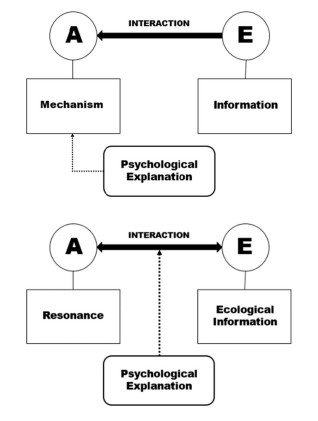
560 – Ecological Cognition II: Resonance
560 What the heck does the brain do in Ecological Dynamics, if it isn’t computing, processing, or representing? An introduction to the concept of Resonance.Download link