Interesting bit from Joseph Weizenbaum’s Computer Power and Human Reason (1976) were he reflects on the obviously violative nature of what is now basic software product practices of surveilling and analyzing user inputs (of users talking to a chatbot)
Aug 31, 2025 at 4:56 PM
Experts Argue Whether Computers Could Reason, and if They Should (Published 1977)
Computer world is in midst of fundamental dispute over question of computer intelligence since MIT Prof Joseph Weizenbaum wrote book arguing that machines can never be made to reason like people and should not be; Weizenbaum por (M)

Computer power and human reason : from judgment to calculation
xii, 300 pages : 24 cm; Includes bibliographical references and index

“Computers enable fantasies” – On the continued relevance of Weizenbaum’s warnings
“The computer has long been a solution looking for problems—the ultimate technological fix which insulates us from having to look at problems.” – Joseph Weizenbaum (1983) Trying to kee…

Part Two: How AI Chatbots Became Cult Leaders - Behind the Bastards | iHeart
<p>Robert concludes his explanation of how AI chatbots replicate cult dynamics in the brains of some vulnerable users.</p> <p>See <a href='https://omnystudio.com/listener'>omnystudio.com/listener</a> for privacy information.</p>
Human Problems: It’s Not Always The Technology’s Fault
We have met the enemy and he is us. When a teenage boy in Orlando started texting Character.AI’s chatbot, it started as an innocent use of a new tool. Sewell Setzer III customized the chatbot to ha…

Abeba Birhane on Twitter / X
a classic case of “the human mind is afforded less complexity than is owed, and the computer is afforded more wisdom than is due.” Baria and Cross (2021)that "vibe" is at the core of what makes us human. it defies formalization and datafication https://t.co/AXELAqlYcq— Abeba Birhane (@Abebab) February 17, 2024
Ten FOSS Development Fallacies For User Facing Software
This is a list, inspired by the Five Geek Social Fallacies, of common patterns or behaviours that developers of free/open source software (FOSS) fall into when they try to develop software for users who are not technical, or for whom non-technical users would be the most obvious userbase. Hopefully writing these down (which frankly is cathartic more than anything) is helpful to some in recognising these thought patterns and avoiding them when developing software - I’ve got some of my own thoughts on this at the bottom.
AI code and software craft - alex wennerberg
Much has been said about audio, video and text "slop": low-quality, AI-generated content that has proliferated on the internet since the release of publicly-accessible AI models. Garbage content has always existed online, but the novelty of AI is that it has made its generation orders of magnitude less labor-intensive. For anyone who lacks a discerning eye, or is doing some task where discernment simply does not matter, AI has become a sufficient replacement for human hands.
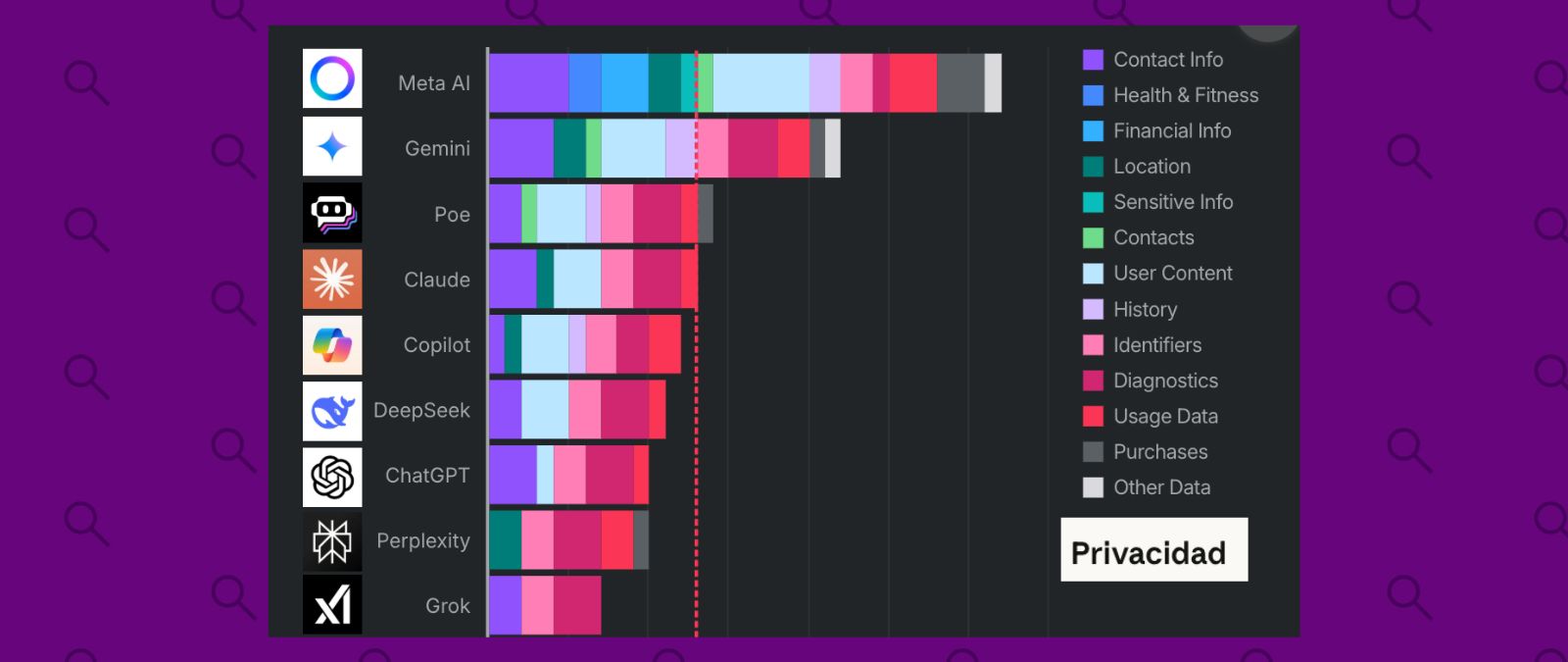
Tu historial amoroso, médico o laboral en manos de la IA: ¿cómo proteger tu privacidad de los chatbots? - Factchequeado.com
Los chatbots de inteligencia artificial —como ChatGPT, Gemini, Claude, Copilot, Perplexity o Grok— se han vuelto herramientas…
A Treatise on AI Chatbots Undermining the Enlightenment
On chatbot sycophancy, passivity, and the case for more intellectually challenging companions
A Treatise on AI Chatbots Undermining the Enlightenment
On chatbot sycophancy, passivity, and the case for more intellectually challenging companions
Anthropic faces user backlash over reported performance issues with its Claude AI chatbot | Fortune
“Claude has regressed to the point [that] it cannot be trusted to perform complex engineering,” one developer wrote.