

A collection of essays on the future of personal computing — specifically, on the kind we’d like to see more of in the future, and the ideas that might help us get there.
The Interfaces With Which We Think
The concepts in modern operating systems — apps, windows, desktops, notifications, and so on — have so permeated our understanding of personal computing, it’s hard to imagine anything else, let alone believe there could be anything better.
Alexander Obenauer
Exploring new and renewed ideas for how personal computing and the interfaces we think with can better serve people’s lives – expanding opportunity, agency, curiosity, and creativity.
A New Computer
A podcast about the end of personal computers as we know them, and what comes next. Each episode we talk with people who are doing work at the frontier of computing, people who are challenging assumptions about what computers are and what our relationship to them should be.

Basic | The Personal Computing Platform
We build products, tools, and standards to make computers more personal.

Optimistic Computing
I recently made two new friends: Abhinav Omprakash and Dawn Walker. Abhinav said I’m an optimist and I should write about it. Dawn said I shouldn’t try to coin any new terms. I should know better, but this essay follows Abhinav’s recommendation — and credits Dawn, in the very likely event I should have followed her advice instead. I have been alive for approximately four decades. Each of those decades was witness to its own fun brand of computering.
Feeling of Computing — Conversations
Feeling of Computing
Feeling of Computing is an online community with a welcoming, cooperative, and revolutionary spirit. We are unified in the belief that the computer is tragically less humane than it could be. There’s a world of possibilities that get more beautiful the further away from the norm you go. We’re here to explore this world together, to discuss ideas about theory and practice, and to champion and support our members’ research and development efforts to reimagine the computer.
ben guo 🏇 on Twitter / X
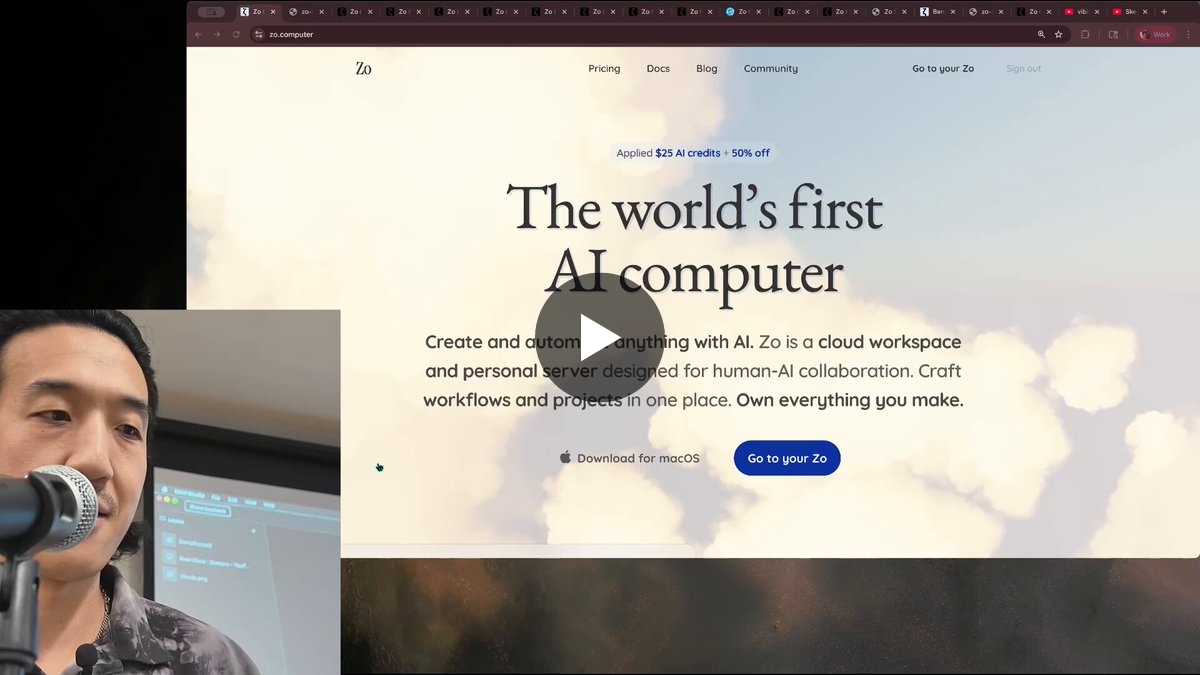
i gave this talk last night at @southpkcommons about why the personal computing revolution never happened, and what we can do about it. pumped about the feedback afterwards: "it's giving early tumblr", "you guys are like punk apple", "i want more early internet mixtape vibes" pic.twitter.com/0Lwz3CaWBX— ben guo 🏇 (@0thernet) November 6, 2025
FF26 – This is not the tech I signed up for! – An approach to permacomputing - Darío Gutiérrez Mori
Kanjun 🐙 on Twitter / X
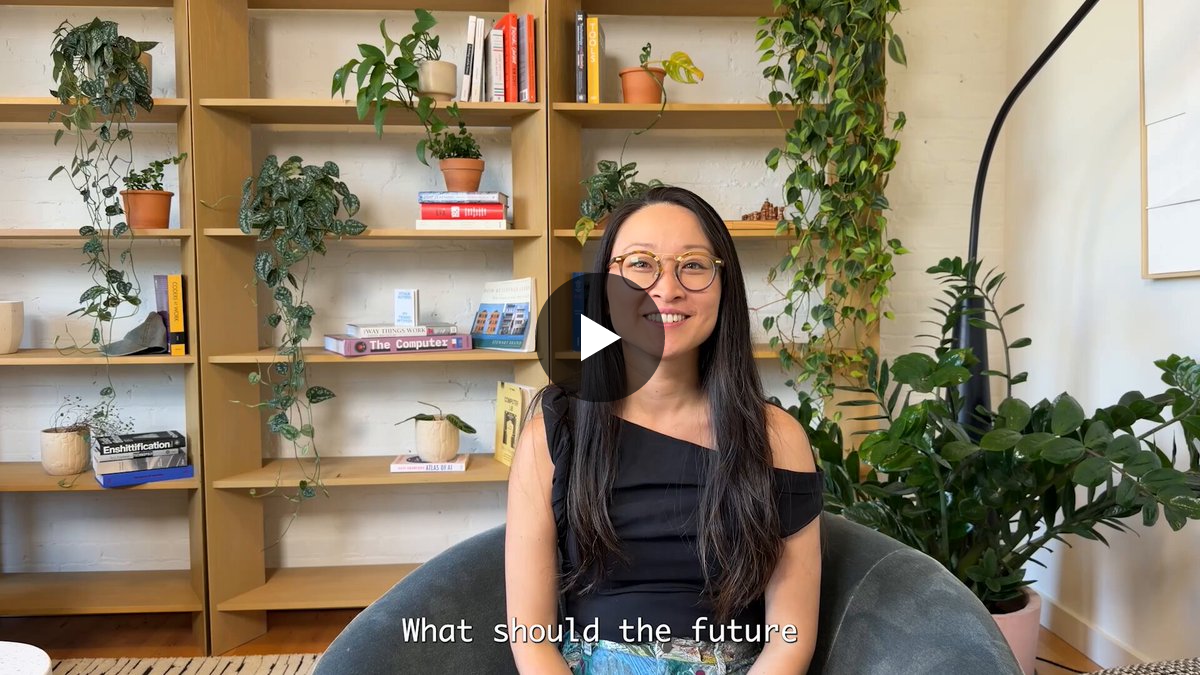
What should the future of personal computing look like?We built it 😈Introducing Imbue Studio: pic.twitter.com/Ry8maGy3mN— Kanjun 🐙 (@kanjun) October 1, 2026
feeling of computing, london
💞 welcome to the london branch of the feeling of computing community. 💞
Stuart K. Card and Thomas P. Moran, "User Technology—From Pointing to Pondering"
The Resonant Computing Manifesto by Techdirt
Nailed it, @komorama.bsky.social We have a huge opportunity here – there's no reason the future user interface for *all your computing* needs to be tied to OpenAI. We can build a new, uniquely personal computer that you own, without your entire digital life being locked to one company or provider.
A personal essay about how I’ve been feeling and thinking about this new technology that I’m contributing to and what it might to do to us all. togelius.blogspot.com/2026/08/losing-my-religion.ht…
Losing my religion
togelius.blogspot.comPersonal Computing

www.cs.columbia.edu

Are we stuck with the same Desktop UX forever? | Ubuntu Summit 25.10
Triumph of the Nerds: The Transcripts, Part I
Everest Pipkin

Digital Topology & Economic Power
bandukwala.me

