


In open source, as in life, hidden labor goes unrewarded.
A Case for Feminism in Programming Language Design
As part of the Digital Library's transition to Open Access, new features for researchers are available in the Premium Edition. Click here to learn more.



I hate the term “open source”
It doesn’t accurately reflect how people are building today anymore.

Open Source Male Privilege Checklist | Geek Feminism Wiki | Fandom
This is a Privilege checklist for men in Open Source. The leader of any open source project I contribute to is probably of my gender. The vast majority of my co-contributors are of my gender. If I...

Why open source: 25 reasons to embrace it | Ben Balter
Open source isn't a fad. Here are twenty-five economic, moral, and personal reasons your organization should embrace it.
The Few, the Tired, the Open Source Coders
The open source movement runs on the heroic efforts of not enough people doing too much work. They need help.

The Open Source Identity Crisis
As the diversity in tech movement gains traction, open source faces an identity crisis.

Open Source Explained — Open Indie
Musings on the concept of ‘open source’, in the broadest possible definition of the term. Also an invitation to become a participant in ...
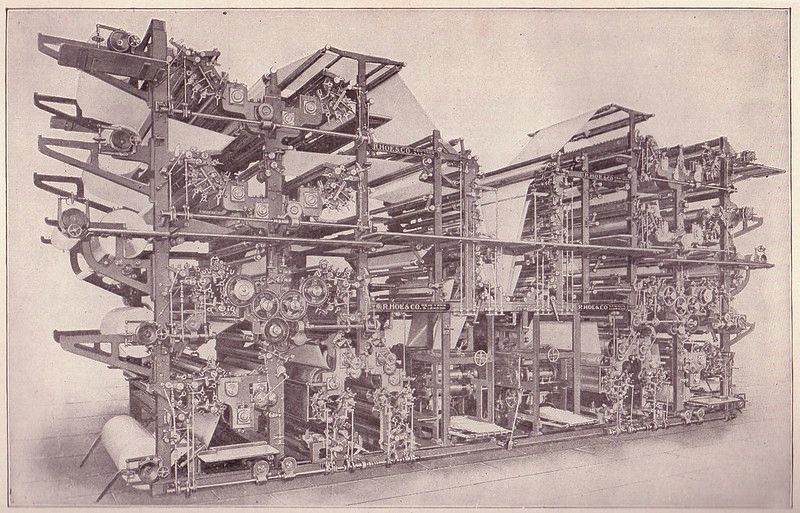
The Rise of Feminist Hackerspaces and How to Make Your Own
Building community spaces, a brief history of feminist organization in tech, and what comes next.

Open Source is Not Enough
by James Halliday // The open source movement has fundamentally changed how software gets written. But in the process, corporations have been given a vast gift of free labor.
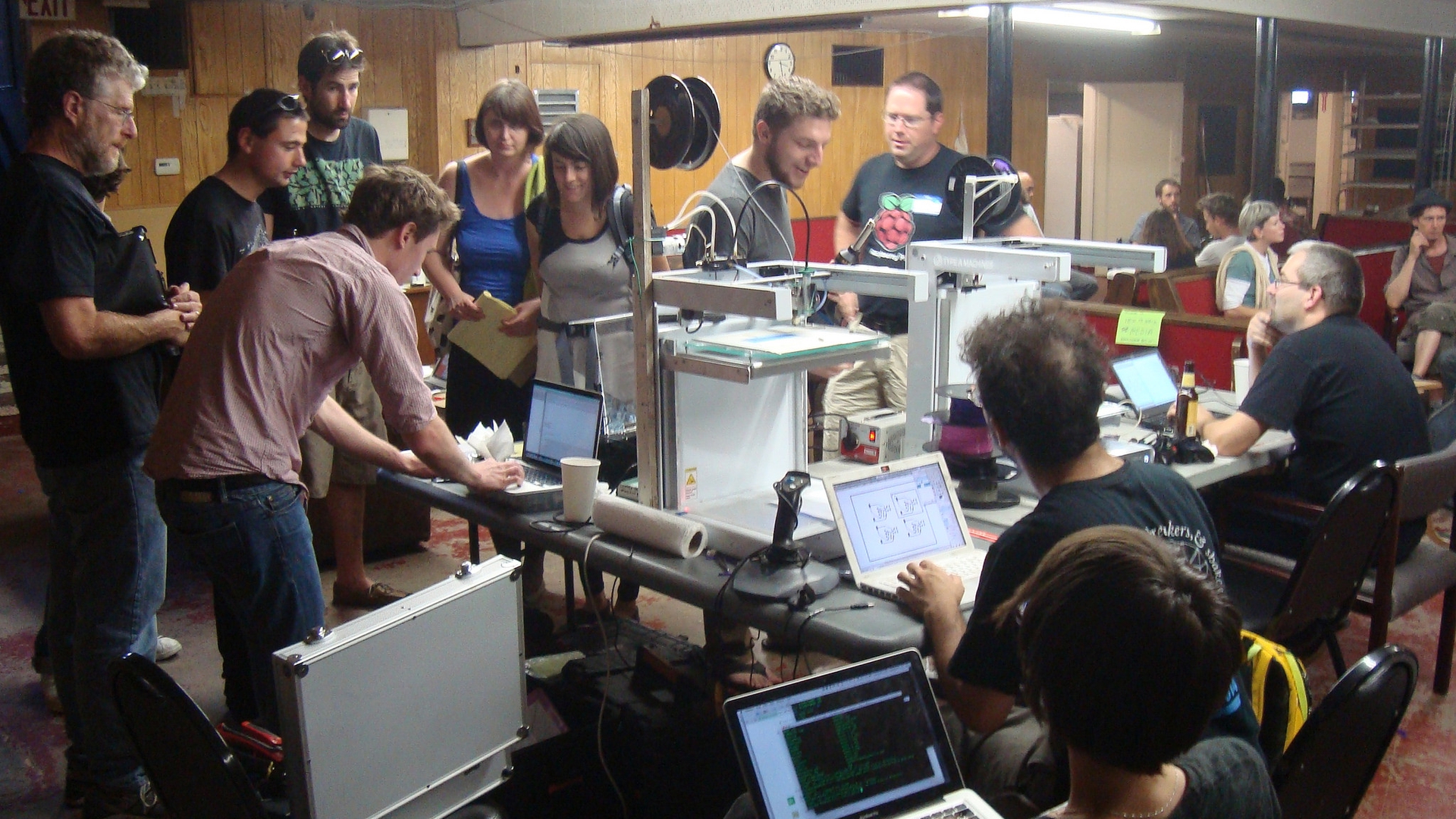
Sharing Knowledge Openly: Author Gender, Race/Ethnicity, and Feminist Science
Open science is an increasingly important movement in contemporary social science. Many funders have begun to mandate open practices, newer journals like Socius are open access, and preprint servers have increased readership of paywalled articles. Feminist scholars have written about the values and pitfalls of open research. In this paper, we put those ideas in conversation with each other and empirical data on open-access publishing to develop a feminist framework for thinking about feminist knowledge, data, publishing, and audience. Using a survey of 19,462 social scientists, linked with their entire Web of Science publication history from 2000 to 2023 and all papers posted to SocArXiv, we replicate past work showing that articles by women are less likely to be some types of open access. We extend these findings to scholars of color and feminist scholarship, while also demonstrating a few surprising null results for all three groups.

Why open source is growing - and dying - at the same time
To be honest, if the greek king Sisyphus would be a developer writing open source code in 2016, he would feel at home. Sisyphus's famous punishment,

Does the Open Source Movement Need to Evolve? - Slashdot
A cloud company's CTO argues on CTO that the "hypocrite commits" controversy "is symptomatic, on every side, of related trends that threaten the entire extended open-source ecosystem and its users." That ecosystem has long wrestled with problems of scale, complexity and free and open-source softwar...

I can see a whole lot of people agreeing with this. Kinda the same with open source in general, but few open source projects are social protocols seeking widespread adoption. It's a particular flavor of narrative disconnection from reality we have to bridge out of to get out of our own way.

⠁⠀⠀⠀⠠
Every @proto developer sounds like this to me:
