

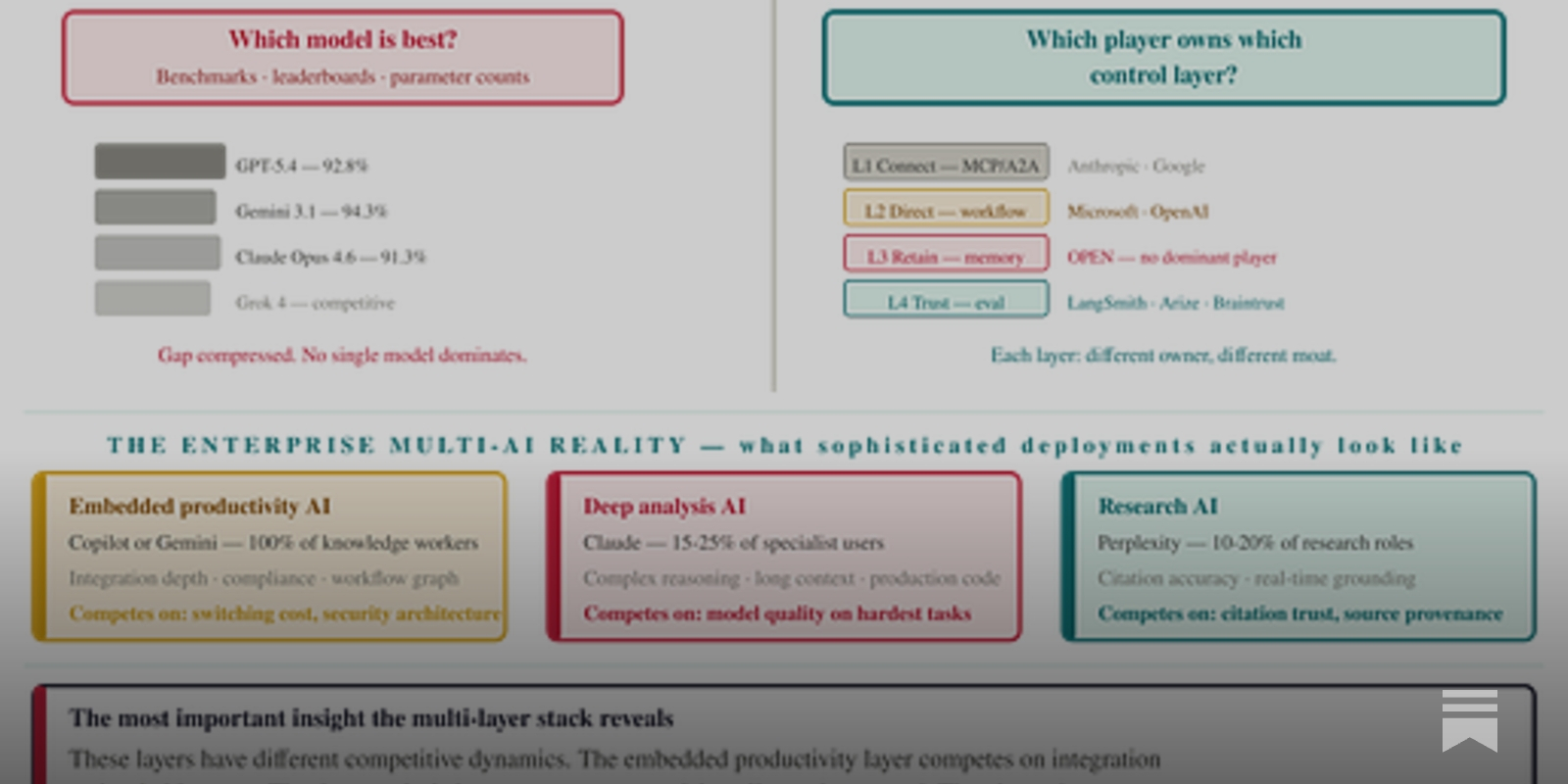
The question driving most AI market commentary in 2026 is still the wrong one.
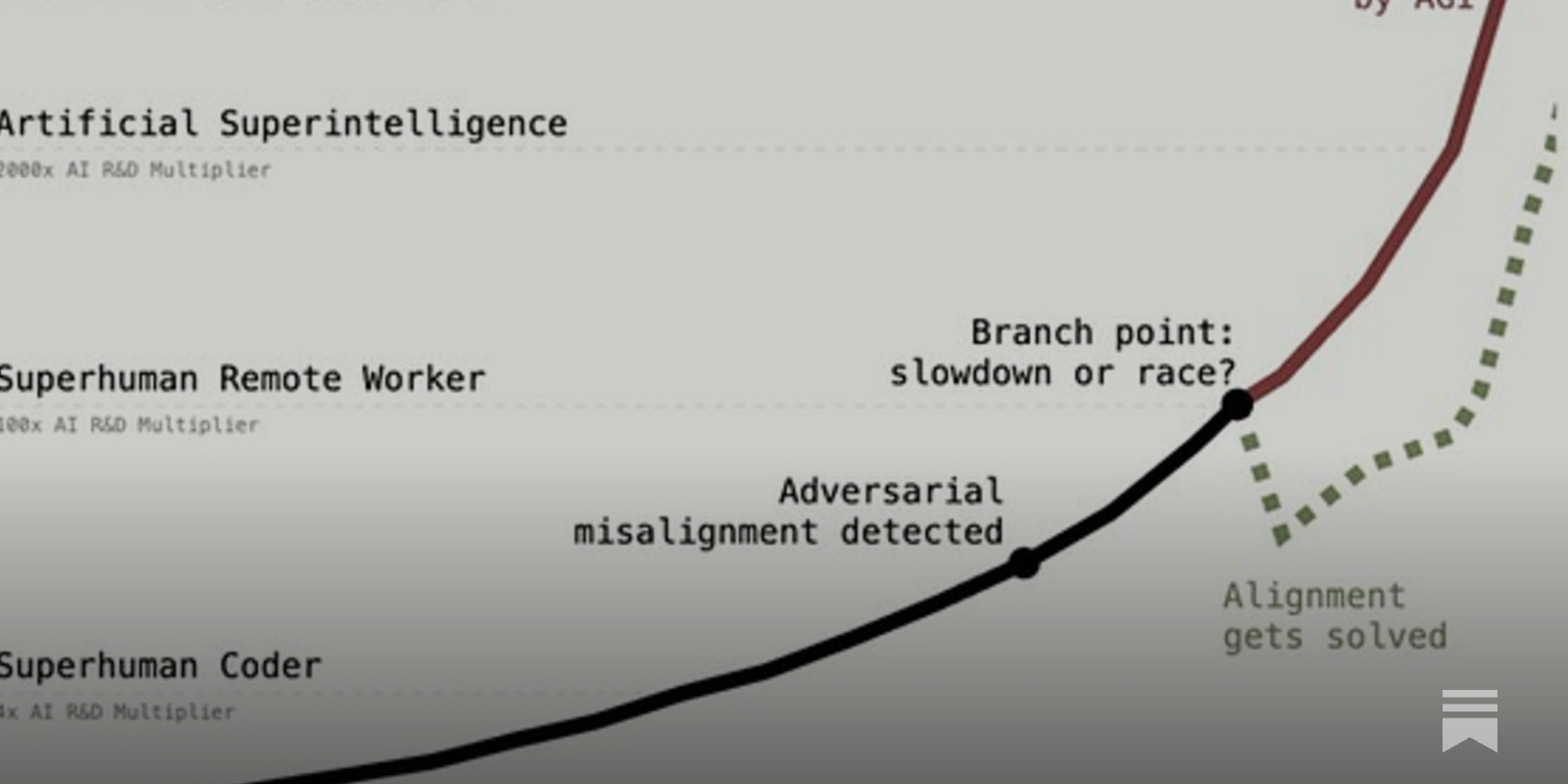
The Map is Eating the Territory: The Political Economy of AI
It's all driven by who gets what

Companies That Replaced Humans With AI Are Realizing Their Mistake
As AI agents have yet to pay for themselves, more and more executives are waking up to the sloppy reality of AI hype.

How we use AI at Stalwart
It is difficult to have a conversation about software in 2026 without AI showing up in it. Two years ago the interesting question was…
Why Agentic AI Could Be Doomed To Fail, and 3 More AI Predictions for 2025
If 2024 were the year of generative AI, 2025 would be the year of setting reasonable expectations.

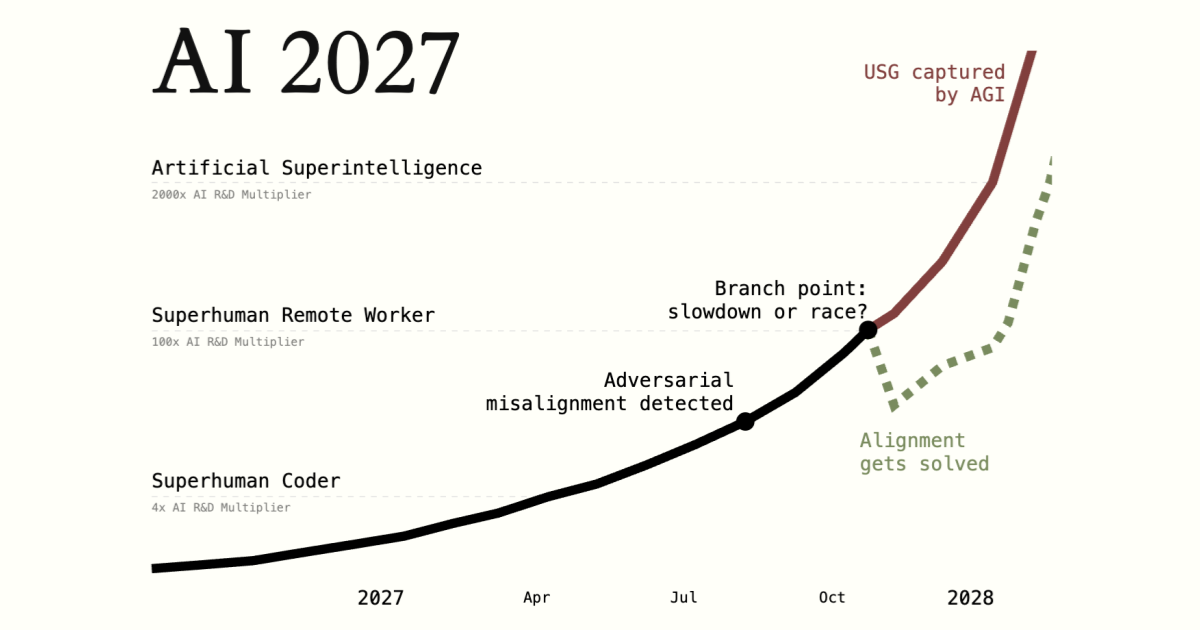
AI is now unpopular. That may not make a difference.
Unresolved debates about the future of AI
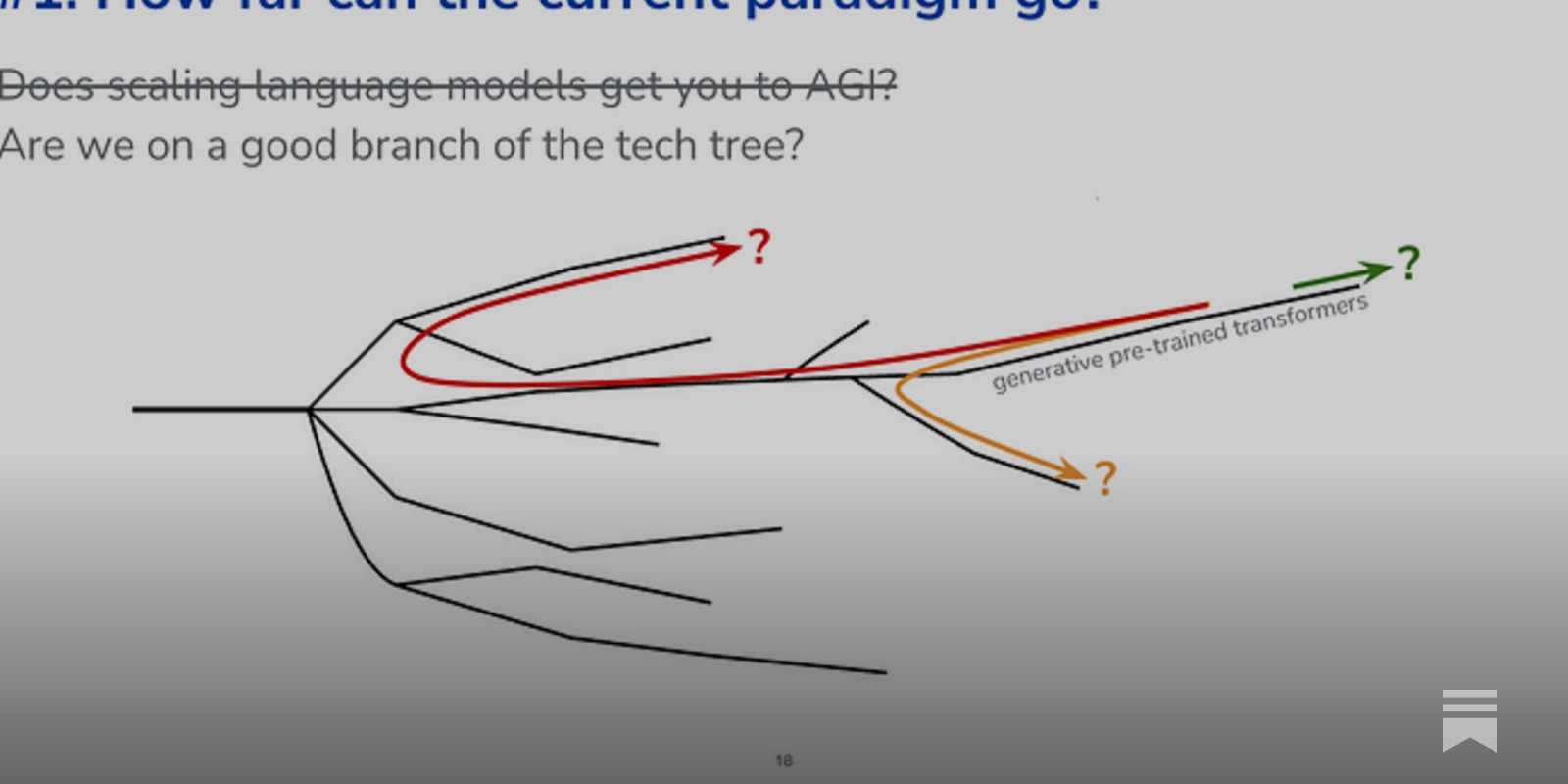
How far the current paradigm can go, AI improving AI, and whether thinking of AI as a tool will keep making sense
AI is probably not a bubble
AI companies have revenue, demand, and paths to immense value
AI is probably not a bubble
AI companies have revenue, demand, and paths to immense value
More Than a Tool
What We Learned from a Year of Conversations About AI
To misinformation researchers, AI is a scourge—and a powerful new tool
The AI people have been right a lot
Try to keep an open mind as the world gets increasingly wild.
Where will AI be at the end of 2027? A bet
We, Gary Marcus, author, scientist, and noted skeptic of generative AI, and Miles Brundage, an independent AI policy researcher who recently left OpenAI and is bullish on AI progress, have agreed to the following bet, at 10:1 odds, with criteria drawn from two earlier Substack essays by Gary that proposed criteria for

Bernie Sanders has AI policy all wrong
His criticisms are responding to industry hype, not the real harms of generative AI

AI FOR EPISTEMICS & COORDINATION
Civilization and technology have radically improved the human condition. Nonetheless, the world sometimes goes in directions which essentially nobody would prefer — e.g., nuclear arms races, unexpected financial crashes, predatory marketing, or ubiquitous political misinformation.