

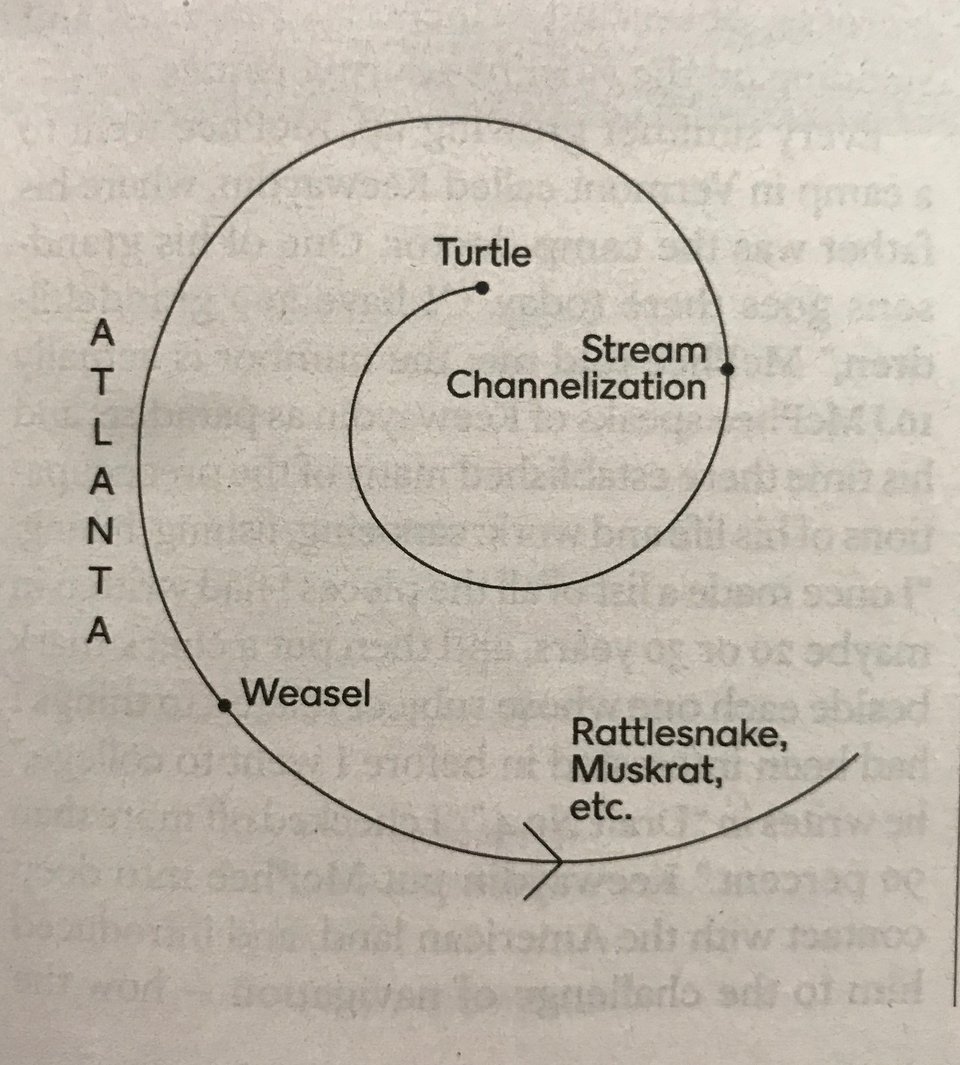
The cover of John McPhee’s book Oranges, which is about, you guesed it, oranges. It’s great. The New Yorker writer John McPhee, perhaps the 20th century's...
The Friendly Orange Glow: The Untold Story of the PLATO…
The remarkable untold story of PLATO, the computer prog…

Brett Scott (@brettscott)
Marshall McLuhan is famous for his observation that the form of a communication technology can shape our mind and society The age of the printed book, for example, carried with it a particular way of being. Regardless of the differing content of different books, all books required a particular mindset in which a thread is followed from the beginning to the end through an arc I feel the age of social media is like the age of a ripped up book, as if we were surrounded by torn shards and shreds of paper floating like confetti around us. We grab for them, hoping for some tiny insight, but not having any way of knowing where it fits in the overarching narrative This note is one such shard. You can toss it away now

Thousands of AI-written, edited or ‘polished’ books are being sold – an eerie echo of Orwell’s ‘novel-writing machines’
In ‘1984,’ George Orwell envisaged a world in which books were a mass-produced commodity no different from ‘jam and bootlaces.’
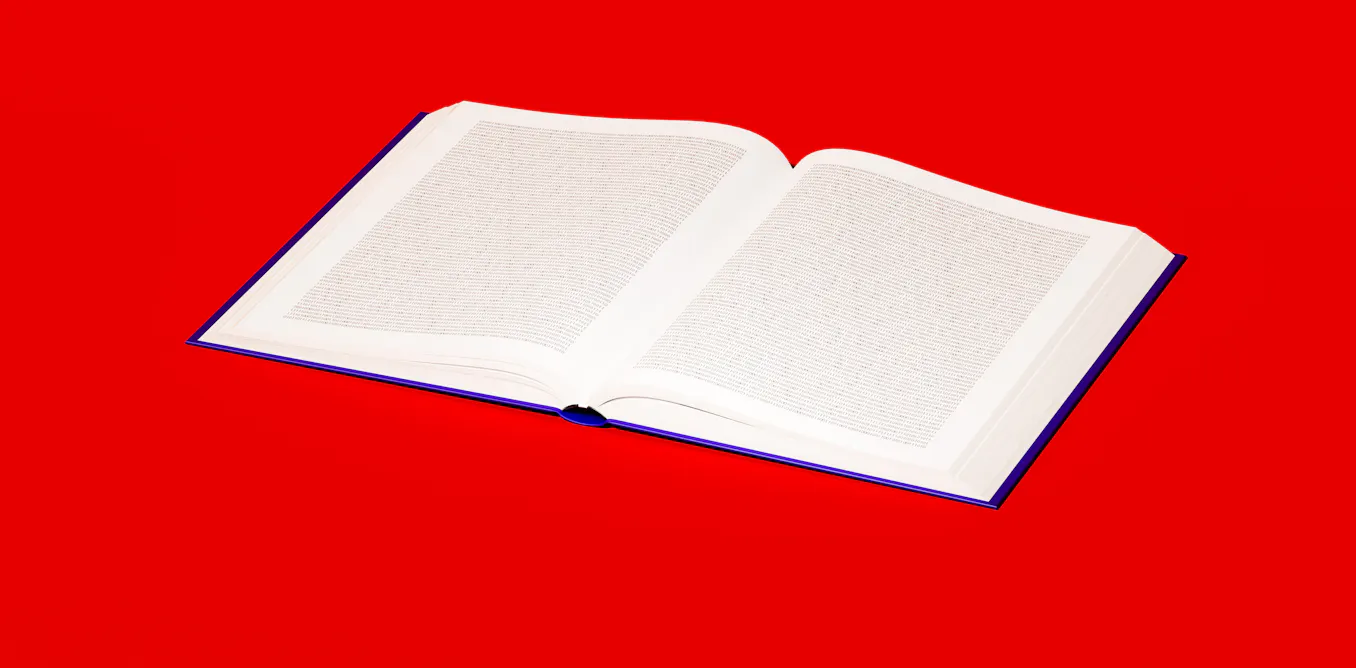
TIME Magazine Cover: Computer in Society - Apr. 2, 1965
TIME Magazine Cover: Computer in Society
Daring Fireball, by John Gruber
Commentary on Apple, technology, design, politics, and more.

William Dalrymple on Twitter / X
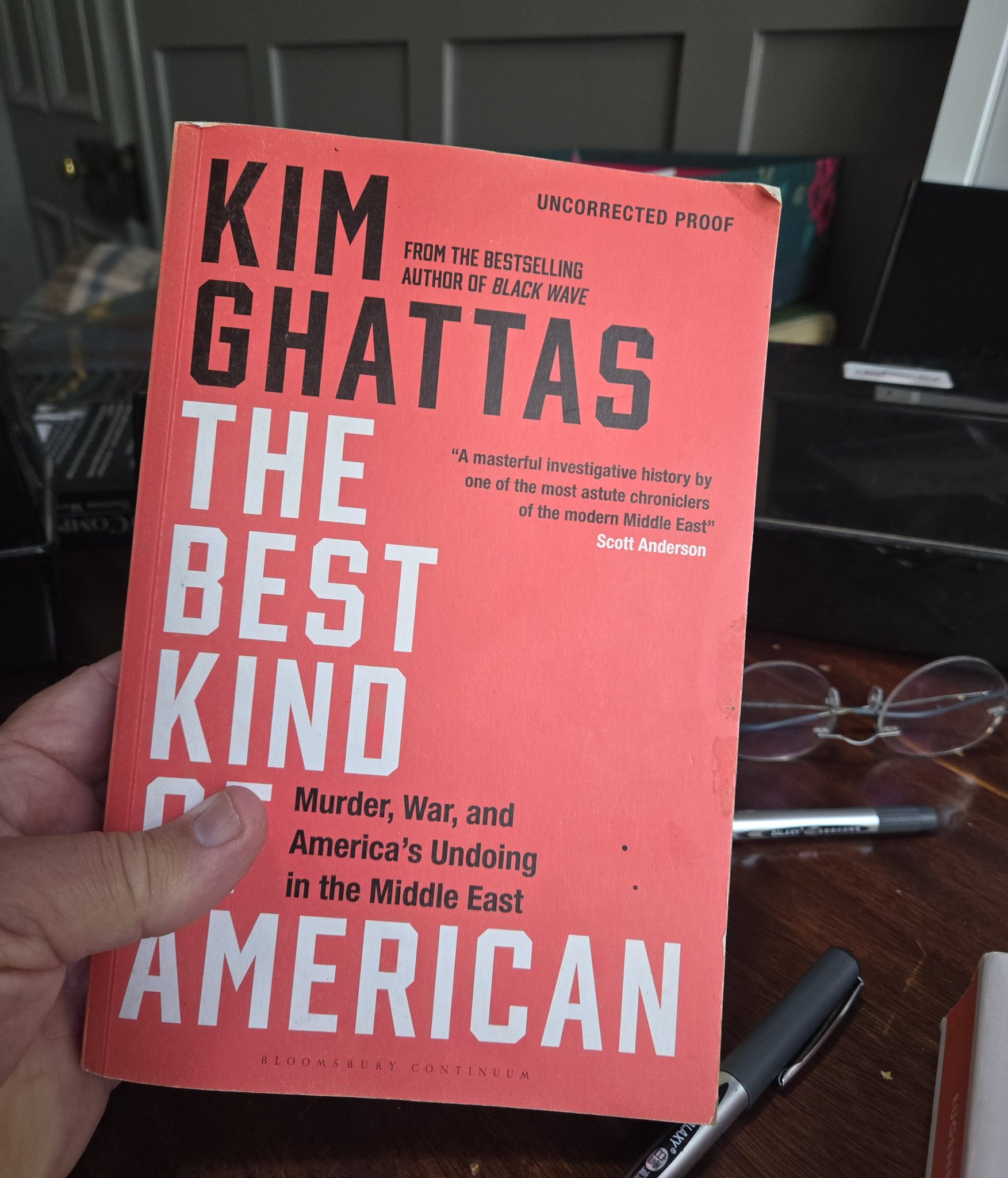
Just finished this gem by the wonderful @KimGhattas. Kim is one of best informed and most intelligent writers on West Asia, remarkable for her ability to bring clarity to the most complex scenarios. She is also a wonderful storyteller. Her new book, The Best Kind of American, is… pic.twitter.com/ZOHEulcuOe— William Dalrymple (@DalrympleWill) August 27, 2026
There There by Tommy Orange | East Bay Booksellers
PULITZER PRIZE FINALIST • NATIONAL BESTSELLER • A wondrous and shattering award-winning novel that follows twelve characters from Native communities: all traveling to the Big Oakland Powwow, all connected to one another in ways they may not yet realize.
derek guy on Twitter / X
I suspect we're approaching a time where if you want to protect creative work, it has to be something that can't be digitized. AI has made is so that creative works speed run through the lifecycle from cool to cliche in a matter of months. This contributes to our cultural… https://t.co/HJYL6Tj6t4— derek guy (@dieworkwear) September 19, 2026
I have forgotten how to read
For a long time Michael Harris convinced himself that a childhood spent immersed in old-fashioned books would insulate him from our new media climate, but he was wrong

Notes from my Beginner Computer Literacy Class Part 1 - Alex’s Writing Journal
Helping the uninitiated navigate this brave new digital world
The rise of Whatever
This was originally titled “I miss when computers were fun”. But in the course of writing it, I discovered that there is a reason computers became less fun, a dark thread woven through a number of events in recent history. Let me back up a bit.

Janet Jackson had the power to crash laptop computers - The Old New Thing
Not an artistic judgement. Just a technical one.
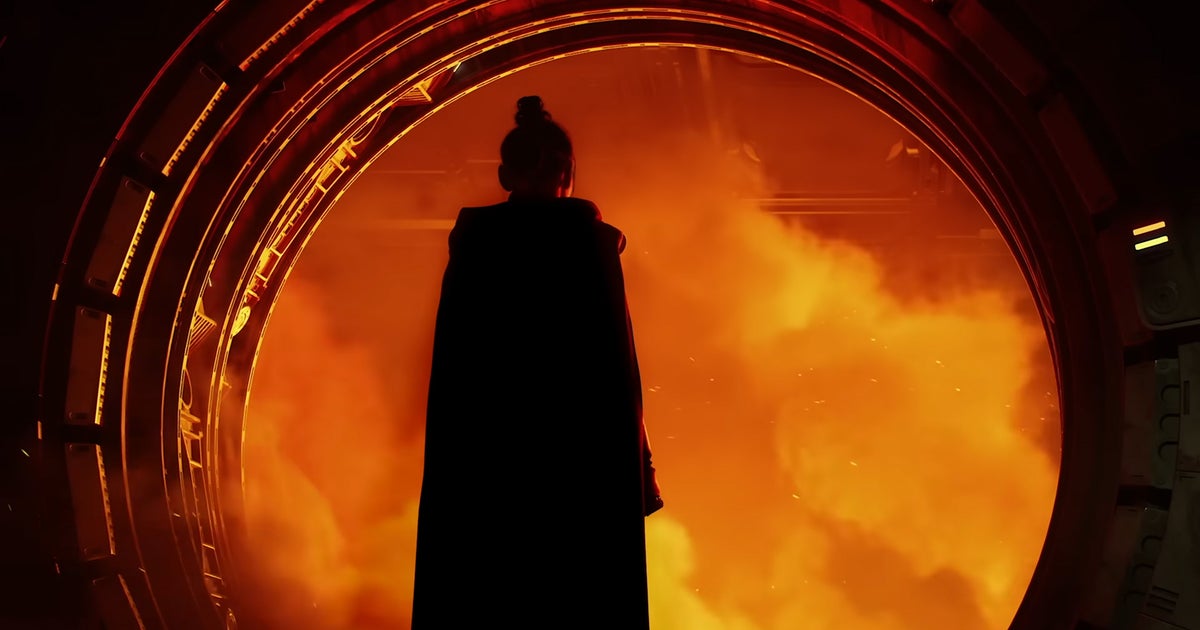
"I just find AI to be creatively soulless": Casey Hudson on the controversial tech and Star Wars: Fate Of The Old Republic
"I’m just really unimpressed with it."
The Story of Mel
This was posted to USENET by its author, Ed Nather (utastro!nather), on May 21, 1983.
Pluralistic: Ellen Ullman’s “Close to the Machine” (16 Jul 2025) – Pluralistic: Daily links from Cory Doctorow
Close To the Machine is Ellen Ullman's classic memoir of writing software in Silicon Valley at the start of the dotcom bubble; it was originally published in 1997 and reprinted in 2022 for the 25 anniversary by Farrar, Straus and Giroux's MCD books:
