

Depression doesn’t discriminate. Everyone is a potential target for it, regardless of gender, age, ethnicity, geographical location, or income. We are all subject to its grasp, and remember, it’s not the same thing as sadness.
When You Are Depressed, Make Something.
Depression doesn’t discriminate. Everyone is a potential target for it, regardless of gender, age, ethnicity, geographical location, or income. We are all subject to its grasp, and remember, it’s not the same thing as sadness.
Opinion | The Real Causes Of Depression Have Been Discovered, And They're Not What You Think
To deal with depression, you need to deal with its underlying causes.
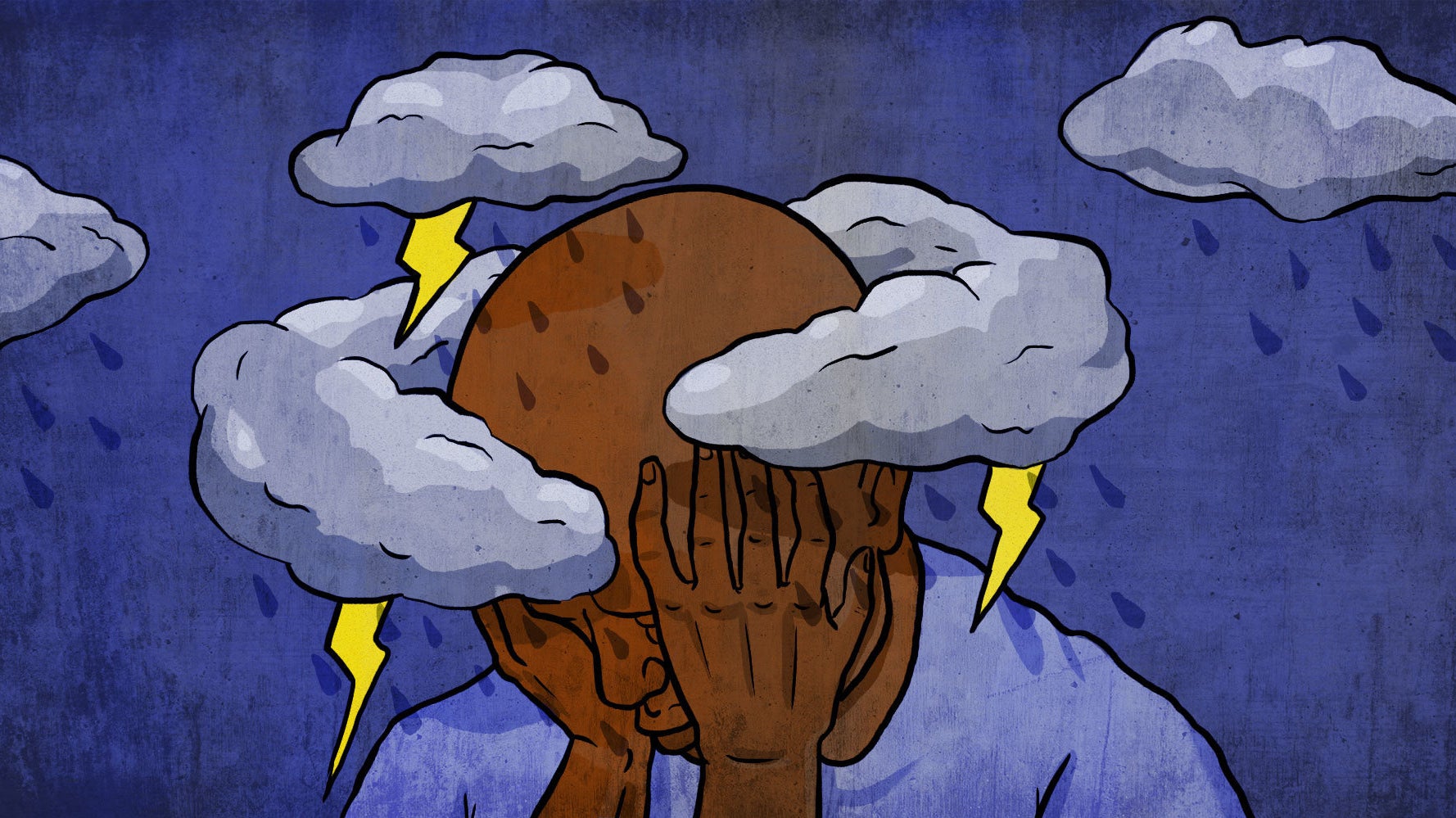
The downside of being happy
Nobody likes to be sad, but it can have a powerful and positive effect.

Negative Emotions Are Key to Well-Being
Feeling sad, mad, critical or otherwise awful? Surprise: negative emotions are essential for mental health

For the first time, scientists pinpoint brain cells linked to depression
Scientists identified two types of brain cells, neurons and microglia, that are altered in people with depression. Through genomic mapping of post-mortem brain tissue, they found major differences in gene activity affecting mood and inflammation. The findings reinforce that depression has a clear biological foundation and open new doors for treatment development.

the depression thing
the depression thing: a neat story about depression and mental health. By Zach Holman.

Depression link to processed food
Eating a diet high in processed food increases the risk of depression, research suggests.
how to support people who have depression
Admit you don’t know what to say Express “I care” Remind them that they matters Check them regularly Ask how I can help, but be specific (“Could I do X?” rather than “How can I help you?“) Encourage them to see professional treatment To listen without interruptions Only claim understanding if you g...

Depression doesn't shrink the brain like we thought it did | New Scientist
For the past decade, depression has been linked to a shrunken hippocampus, which has a vital role in memory. But a large study using up-to-date scanning techniques suggests this may not be the case

Gut bacteria may have impact on mental health, study says
Research opens door to possible treatments for depression based on probiotics
Generative AI Use and Depressive Symptoms Among US Adults
This survey study examines the associations of generative artificial intelligence (AI) use with negative affective symptoms in a large nationally representative sample of US adults.

A therapist’s guide to staying productive when you’re depressed or heartbroken
“We entrepreneurs can’t afford to date,” I half-joked to a friend the other day. “We can’t take sick days when we get our hearts smashed.”

Shorter days and dark afternoons can trigger depression. Here's how to fight back
People prone to seasonal depression are bracing themselves as winter approaches

Can One Donation a Day Keep Depression Away? Three Randomized Controlled Trials of an Online Micro-Charitable Giving Intervention
Prosocial interventions grounded in social interactions have shown limited effectiveness in alleviating depressive symptoms, possibly because of the discomfort and unease that depressed individuals experience during such interactions. We developed and examined an innovative prosocial intervention—an online micro-charitable giving intervention, in which individuals voluntarily donated at least one Chinese cent (¥0.01, or about $0.0014) daily. We conducted three preregistered, 2-month randomized controlled trials with depressed individuals (Sample 1: N = 125, Sample 2: N = 296, Sample 3: N = 462). Results showed that, compared with the waitlist group, the intervention group exhibited significantly greater improvements in both depressive symptoms (Cohen’s d s = −0.19 to −0.46) and emotional positivity (Cohen’s d s = 0.22 to 0.49), and that emotional positivity mediated the intervention’s effect on the reduction of depressive symptoms. Exploratory analysis found a slightly larger intervention effect for generous donors than for minimal donors. This low-cost, easily accessible prosocial intervention holds potential for the prevention of depression. Statement of Relevance Can donating one cent (specifically one Chinese cent, or about $0.0014) alleviate depressive symptoms? We have developed a practical and effective intervention—donating at least one cent daily on an online charity platform—and have discovered that this intervention effectively mitigates depressive symptoms in depressed individuals. Despite the nominal purchasing power of one cent in contemporary society, this act of giving has been shown to significantly enhance mental health. Our findings could be relevant to everyone in society; charitable donations promote societal harmony and, in addition, offer a cost-effective way to alleviate depressive symptoms. As the intervention instruction asserts, “Charity encompasses love, regardless of its size, as even one cent holds value.”

Study Paints Somber Picture of U.S. Mental Health Status and Access to Care
/PRNewswire-USNewswire/ -- More Americans than ever before suffer from serious psychological distress, and the country's ability to meet the growing demand for...

Depression linked to internal jet lag study finds
Circadian rhythms controlling sleep were out of sync in a quarter of young people with depression in this Sydney-based study. Read more
