As chatbots and AI companions emerge as communication tools of choice for humans, a new and unsettling dynamic is taking shape. Tools that can smooth over difficult communication between friends and coworkers—reducing misunderstandings, hurt feelings, or social discomfort—also have a downside. Left unchecked, they may erode human intuition and sabotage empathy.
AI chatbots are sycophants — researchers say it’s harming science
Nature asked researchers who use artificial intelligence how its propensity for people-pleasing affects their work — and what they are doing to mitigate it.

AI chatbots are sycophants — researchers say it’s harming science
Nature asked researchers who use artificial intelligence how its propensity for people-pleasing affects their work — and what they are doing to mitigate it.
Reality Roundtable #20 — Hacking Human Attachment: The Loneliness Crisis, Cognitive Atrophy, and Other Personal Dangers of AI - The Great Simplification
Mainstream conversations about artificial intelligence tend to center around the technology’s economic and large-scale impacts. Yet it’s at the individual level where we’re seeing AI’s most potent effects, and they may not be what you think. Even in the limited time that AI chatbots have been publicly available (like Claude, ChatGPT, Perplexity, etc.), studies show that our increasing reliance on them wears down our ability to think and communicate effectively, and even erodes our capacity to nurture healthy attachments to others. In essence, AI is atrophying the skills that sit at the core of what it means to be human. Can we as a society pause to consider the risks this technology poses to our well-being, or will we keep barreling forward with its development until it’s too late?

How AI Chatbots Are 'Deskilling' Human Empathy
Sherry Turkle's latest book, Artificial Intimacy: Who We Become When We Talk to Machines, comes out on September 29.
A Treatise on AI Chatbots Undermining the Enlightenment
On chatbot sycophancy, passivity, and the case for more intellectually challenging companions
A Treatise on AI Chatbots Undermining the Enlightenment
On chatbot sycophancy, passivity, and the case for more intellectually challenging companions
Americans are increasingly concerned about AI exacerbating mental health problems
One in 10 Americans (10%) say they definitely (2%) or probably (8%) could form a deep emotional bond with an AI chatbot companion.
AI’s ‘Delusional Spirals’ (and What to Do About Them) | Stanford HAI
In a world where chatbots can stand in for friends, counselors, and even lovers, the mental health risks are a growing concern.
‘It’s the most empathetic voice in my life’: How AI is transforming the lives of neurodivergent people
AI tools like ChatGPT are helping neurodivergent users communicate more clearly and confidently — though some experts warn that overreliance could come at a cost.

Using AI for advice or other personal reasons is linked to depression and anxiety
A new survey found that people who spend more time with chatbots for social interactions or emotional support were likelier to report mental health symptoms.

New research: AI chatbots may worsen mental illness
A new study from Aarhus University and Aarhus University Hospital suggests that the use of AI chatbots such as ChatGPT can have serious negative consequences for people with mental illness. The researchers are calling for increased awareness among healthcare professionals and for regulation.

AI chatbots are becoming experts at changing people's minds. What's their secret?
ChatGPT and other AIs use a flood of facts, and the occasional lie, to persuade humans

Americans' Views on AI Chatbots, Smart Devices and AI's Impact
More Americans are using chatbots, and some are adopting AI summaries and smart speakers. But views about AI and how fast it’s advancing tilt negative – even for younger adults.
An Alarming Number of Gen Z AI Users Think It's Conscious
The majority of young people use AI, and they try to be polite when interacting with chatbots like ChatGPT, but some might have too much of an attachment to it, according to a new study.

Are Chatbots Harming Our Relationships? | KQED
As our relationships with bots deepen, human-AI relationship coach Amelia Miller warns we could wake up one day to find our ability to connect with each other has atrophied, which may leave us feeling profoundly alone.
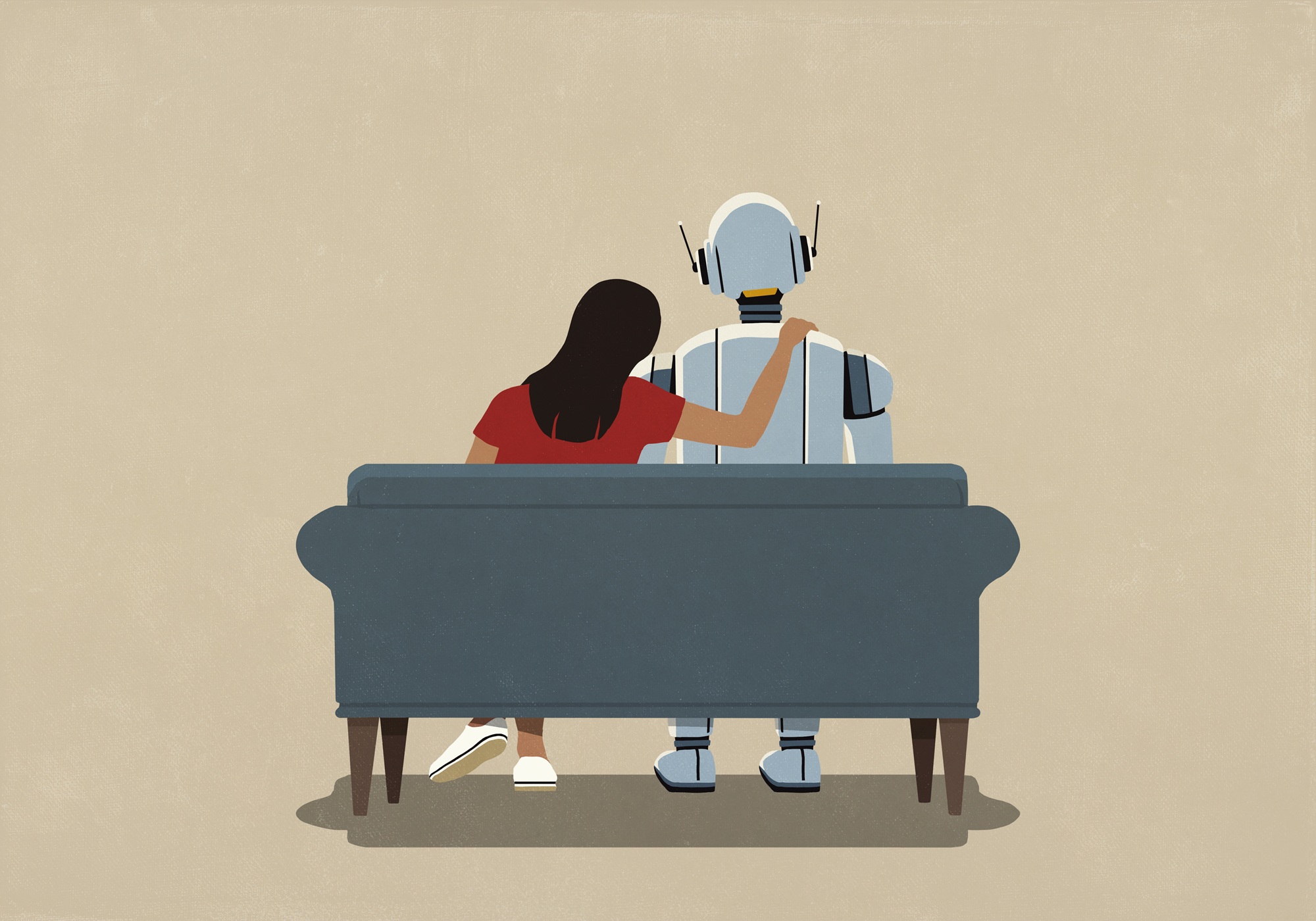
Experts Caution Against Using AI Chatbots for Emotional Support
TC faculty break down the risks of using artificial intelligence for emotional support, and what a healthier AI future might look like