


Many countries have legislation that prohibits discrimination against people with disabilitiesa in the context of employment. For example, the U.S. Americans with Disabilities Act (ADA),b the U.K.’s Equality Act of 2010,c and European Union policyd prohibit employment-related discrimination and require employers to provide reasonable accommodations or adjustments so disabled employees can perform their jobs. More broadly, the United Nations Convention on the Rights of Persons with Disabilities (UNCRPD)e has influenced legal frameworks across the globe. Despite these anti-discrimination policies, disabled people remain significantly underrepresented in the workforce. Employment gaps between disabled and non-disabled people exist globally.28 Among blind and low-vision Americans, for instance, only 44% are employed compared to 79% of those without disabilities.f Only 54% of d/Deaf peopleg in the U.S. are employed, compared to 70% of hearing people.8 These discrepancies are worse for multiply marginalized disabled people. For example, employment rates for disabled women are significantly lower than rates for disabled men.21
The Curb-Cut Effect and the Perils of Accessibility without Disability
By Blake Reid, Published on 01/01/24
Nothing About Us, Without Us: Disability Justice and AI
Intersectionality, ways that AI can support the disabled, and how we can win the race to make AI more inclusive.


The influence of artificial intelligence on individuals with disabilities
The rapid advancement of artificial intelligence (AI) is reshaping assistive technologies, offering new possibilities for enhancing the independence, communication and quality of life of individuals with disabilities. This study presents a qualitative scoping review of 47 peer-reviewed articles published between 2018 and 2025, examining how AI has been integrated into assistive tools across domains such as mobility, communication, cognitive support, education and independent living. Specific AI applications include object recognition, gesture-based control, navigation assistance, emotion detection and natural language processing. The review highlights significant progress in personalization and real-time adaptation, while also identifying persistent challenges such as algorithmic bias, cost barriers, data privacy concerns and unequal access, particularly in low-resource settings. Ethical considerations and the need for inclusive, user-centered design approaches are emphasized. The study also underscores future research priorities, including standardization of development protocols, empirical evaluation of long-term effectiveness and policy frameworks to ensure equitable access. By synthesizing recent developments and critical gaps, this review contributes to understanding how AI can responsibly and effectively support assistive technologies, ultimately promoting more inclusive environments for people with disabilities.
The influence of artificial intelligence on individuals with disabilities
The rapid advancement of artificial intelligence (AI) is reshaping assistive technologies, offering new possibilities for enhancing the independence, …
Belonging Is a Right, Not a Reward
CW: Ableism Disabled people have been made to prove their worth for too long. Society sees value in work, earnings, or productivity, and anyone who doesn’t meet these standards is expected to…

Challenging Ableism: A Critical Turn Toward Disability Justice in HCI
A reflection on our learnings from the CHI 2022 "Dreaming Disability Justice in HCI" workshop, and why we continue to call for disability justice, despite the limitations of how we practice it within academia and industry.
10 Principles of Disability Justice | Sins Invalid
INTERSECTIONALITY “We do not live single issue lives” –Audre Lorde. Ableism, coupled with white supremacy, supported by capitalism, underscored by heteropatriarchy, has rendered the vast majority of the world “invalid.”
Artificial intelligence-powered smart vision glasses for the visually impaired
Purpose: In India, 4.80 million people are blind, and 4.69 million have severe visual impairment. Globally, the digital era and the advent of artificial intelligence devices offer solutions for daily challenges faced by the visually impaired, but they are often expensive. This study evaluates the acceptance and usability of a cost-effective AI-powered spectacle-mounted assistive device in a multicentric Indian cohort. Methods: Smart vision glass (SVG) is a lightweight tool, mounted on a spectacle frame with braille-coded keys and a real-time voice interface for guiding the visually impaired, and is connected to a smartphone Android App. The four major functions of the device are as follows: “Things Around You,” “Reading,” “Walking Assistance,” and “Face Recognition.” Ninety participants were recruited from five vision rehabilitation centers across India, and feedback was collected after a month’s usage. Results: The mean age of the participants was 23.5 years (range: 6 to 56 years) with 58.9% male; 51% from rural areas; and 64.4% students. As per the World Health Organization (WHO) classification, 90% of the participants were blind (best corrected visual acuity in better eye less than 3/60). A total of 100% of the participants were able to access all the functions of the SVG. Participants reported a positive experience with “Reading” (72.9%), “Things Around You” (44.7%), “Face Recognition” (36.5%), and “Walking Assistance” (22.4%). About 2/3rd of the participants utilized the device for an hour or more per day. Conclusion: SVG is a promising cost-effective device for the blind and severe visually impaired in aiding their day-to-day challenges and becoming self-reliant.

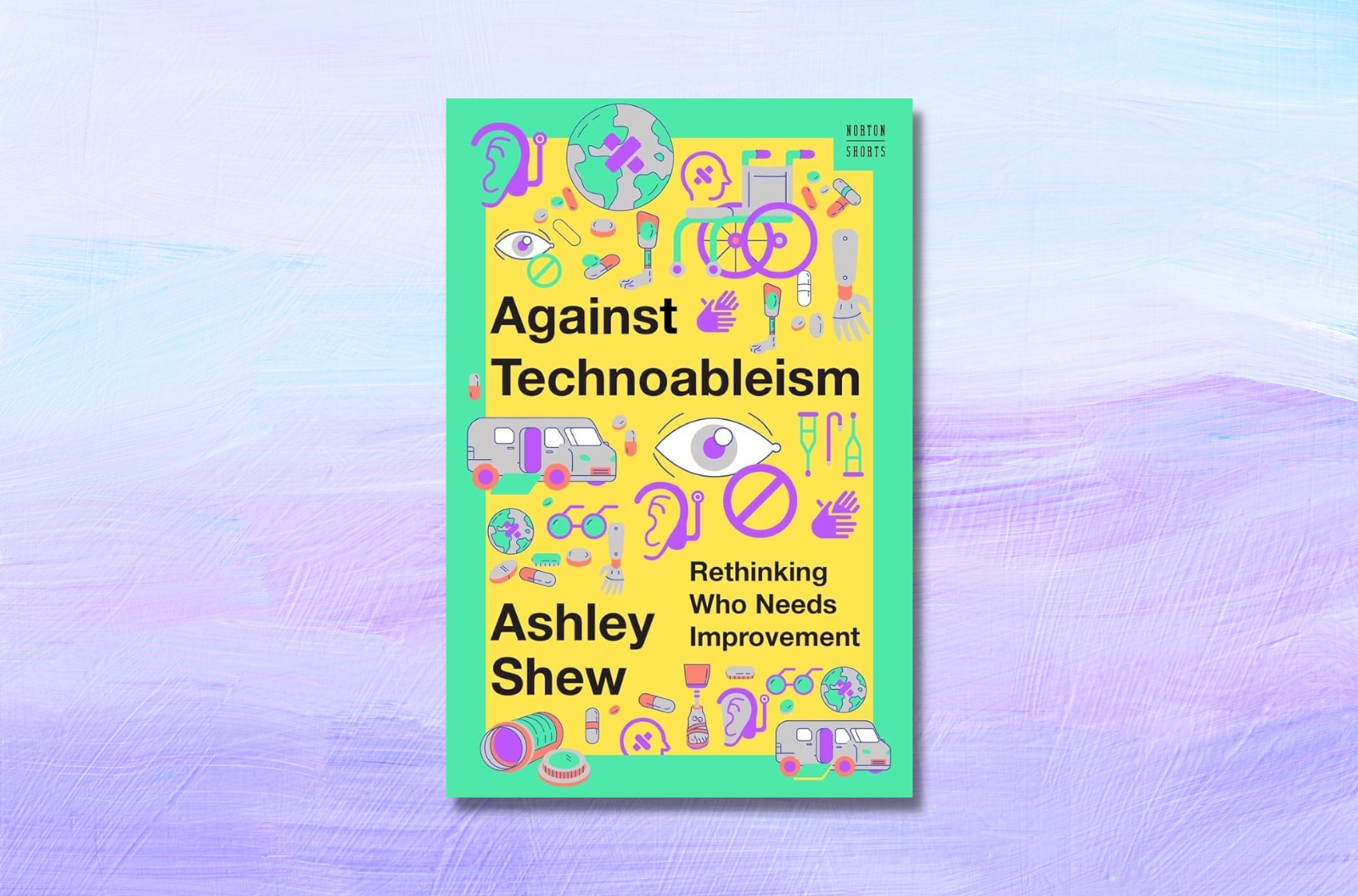
Disability-Driven Development
Ask Disabled People What They Want. It’s Not Always Technology.
While our lives are deeply entangled with technologies of all kinds, disabled people are almost never included in discussions about technology.
Smart glasses controversy sidelines the benefits for disabled people | Letter
Letters: Guardian readers reflect on the ableism rife in the debate about Ray-Ban Meta eyewear, despite the life-changing difference they can make
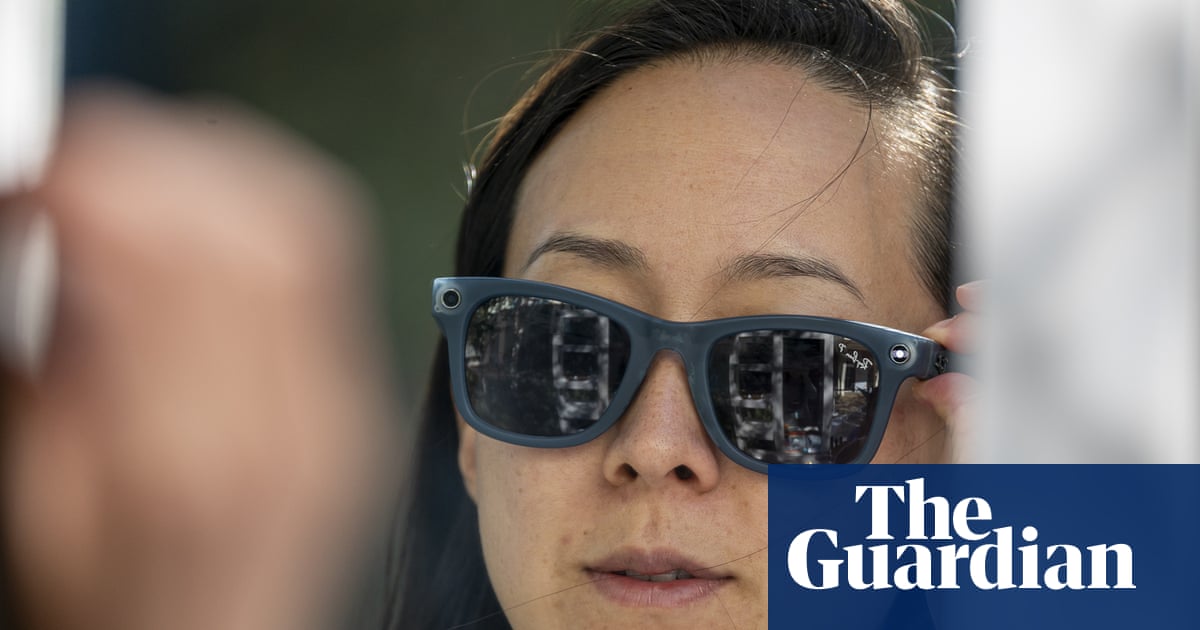
Smart glasses controversy sidelines the benefits for disabled people | Letter
Letters: Guardian readers reflect on the ableism rife in the debate about Ray-Ban Meta eyewear, despite the life-changing difference they can make
I tried to check out the papers this links to, but a whole bunch of them (maybe most of them) are ei — @aiueo.ooo
The influence of artificial intelligence on individuals with disabilities - ScienceDirect
#LiberatingWebinars: Disability Justice & Crip Technoscience: Racism & Ableism in AI
Exploring the status of persons with disabilities among minority and indigenous communities in Bangladesh - Minority Rights Group
This resource is an excellent point of reference for those seeking to advance the rights of people with disabilities belonging to minority and indigenous communities in Bangladesh.
